
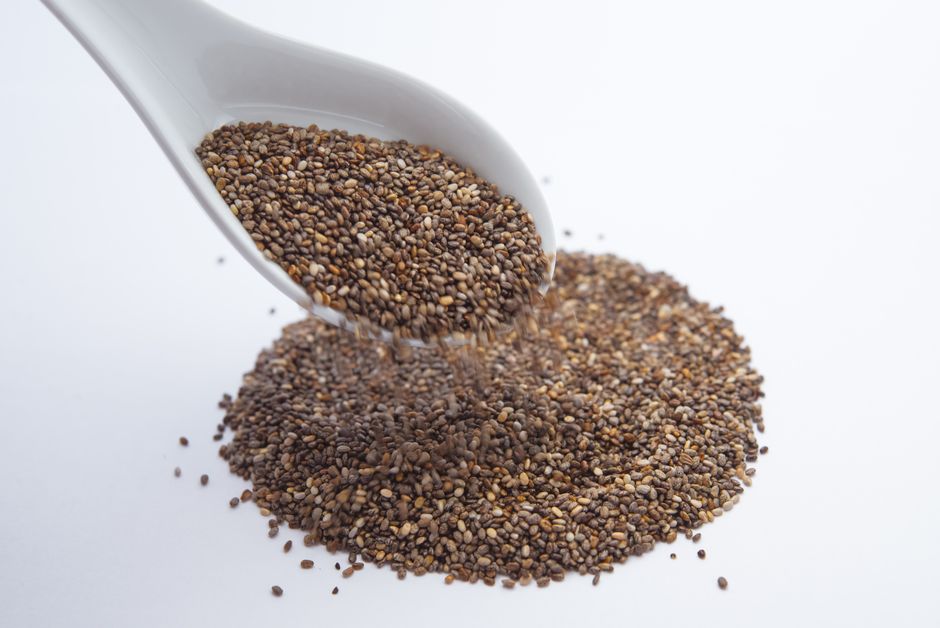
Chia seeds can be germinated at home, but they behave differently from most sprouting seeds. When chia seeds get wet, they form a gel coating within minutes. That gel makes them stick together, so you cannot rinse and drain them in a jar the way you would with alfalfa or mung beans. The practical method is to spread a thin layer of seeds on a damp surface, keep them moist, and harvest the tiny sprouts in a few days. Below is what actually works, what the seeds do, and where the safety concerns lie.
What Happens When Chia Seeds Get Wet?
Chia seeds absorb water rapidly and form a clear gel capsule around each seed. This is a well-documented property of the seed’s outer layer, which contains soluble fiber that swells on contact with water.
That gel is the whole reason chia sprouting works differently. In a jar sprouting setup, the gel would trap moisture and cause the seeds to clump into a solid mass. Air cannot move through it. The seeds can rot instead of sprout.
The gel also means chia seeds do not need a long soak to begin the process. They start absorbing water almost immediately. Within a short time, the seeds look like they are suspended in a jelly. This is normal and not a sign of spoilage.
One clarification that often gets lost: the gel itself is not a sprout. A sprout is new growth emerging from the seed. The gel is just the seed’s outer coating doing what it does when wet. You can eat gelled chia seeds without ever growing a sprout. Germination and sprouting are separate steps.
How To Germinate Chia Seeds For Sprouts At Home
The most reliable home method uses a shallow tray or plate, not a jar. You want a thin, even layer of seeds with airflow around them.
Here is the sequence that works:
- Start with a clean container. A shallow dish, a sprouting tray, or a plate lined with a clean damp cloth all work. Wash it first.
- Spread the seeds thin. A single layer or close to it. Piling chia seeds thickly is the most common reason home sprouting fails, because the gel traps moisture and the middle goes bad.
- Mist rather than pour. Add water with a spray bottle so you control the amount. You want the seeds damp, not swimming. Standing water is a problem.
- Cover loosely. A light cloth or a lid set ajar keeps moisture in while letting air move. Sealing the container traps humidity and invites mold.
- Keep it in a warm, dim spot. Room temperature is fine. Direct sun is not needed and can dry the seeds out.
- Mist once or twice a day. Check that the seeds stay moist but never sit in a puddle. If you see standing water, tip it off.
Small white sprouts should begin to appear within a few days. The exact timing depends on temperature and how fresh the seeds are. Once sprouts are visible and a few millimeters long, they are ready to eat.
Do not expect long, leafy sprouts. Chia produces tiny sprouts, and that is normal for this seed. If you are waiting for something that looks like a bean sprout, you will wait forever.
Why Can’t You Sprout Chia Seeds In A Jar Like Other Seeds?
Jar sprouting depends on rinsing and draining. You put seeds in a jar, cover the opening with mesh, rinse them, and tip the jar so water drains out. The seeds stay damp but not soaked, and air circulates between rinses.
Chia breaks that system. The gel makes the seeds cling together into a clump that water cannot rinse through evenly. The clump holds moisture in the center. That is exactly the condition where spoilage organisms thrive.
Some people do attempt jar sprouting with chia and report mixed results. The evidence here is practical rather than scientific, but the physical behavior of the gel is not in dispute. A flat, thin layer with airflow is simply easier to manage.
The same gel property is why chia is popular in puddings and drinks. The trait that makes it a good thickening food makes it a poor candidate for conventional sprouting equipment.
Are Chia Sprouts Safe To Eat Raw?
This is where honesty matters more than enthusiasm. Home sprouting carries a real, documented food safety risk, and chia is no exception.
The concern is not chia itself. It is the conditions. Sprouting requires warmth and moisture, which are also the conditions that allow bacteria such as Salmonella and E. coli to multiply. Public health agencies have repeatedly linked sprout consumption to foodborne illness outbreaks, and the general guidance from food safety authorities is that raw sprouts carry a higher risk than most raw produce.
That guidance applies to sprouts broadly, not to chia specifically. There is no large body of research establishing a specific risk level for home-grown chia sprouts. What exists is the general sprout safety picture, and it applies here because the growing conditions are the same.
People at higher risk from foodborne illness include pregnant women, young children, older adults, and anyone with a weakened immune system. For these groups, food safety authorities generally advise avoiding raw sprouts. That is established guidance, not speculation.
If you grow chia sprouts at home, the practical risk reducers are:
- Start with clean equipment and clean water.
- Keep the growing layer thin so it does not sit wet.
- Discard any batch that smells off, looks slimy beyond the normal gel, or shows fuzz that is not a sprout.
- Eat sprouts promptly rather than storing them for a long time.
Some people cook or add sprouts to hot dishes. Heat reduces bacterial risk, though it also changes the texture. Whether to eat them raw is a personal decision, and the honest position is that raw sprouts are not a zero-risk food for anyone.
Do Chia Sprouts Have More Nutrients Than The Seeds?
This claim gets repeated a lot, and the evidence is thinner than the marketing suggests.
Germination does change seeds. In many plant seeds, sprouting reduces certain compounds that can interfere with nutrient absorption and increases the availability of some vitamins. This is a general pattern studied in various seeds and grains.
For chia specifically, the research is limited. Chia seeds are already a good source of fiber, plant-based omega-3 fats, and several minerals. Whether sprouting meaningfully improves what your body absorbs from chia has not been firmly established in large human studies.
So the fair statement is this: chia seeds are nutritious, and sprouting may alter their nutrient profile, but no strong evidence shows that chia sprouts are dramatically more nutritious than the seeds themselves. Anyone claiming a big upgrade is going beyond what the research supports.
If your goal is nutrition, eating chia seeds in a pudding or mixed into food delivers the seed’s benefits without the sprouting risk. If your goal is the experience of growing something, that is a different reason, and a legitimate one.
What Are The Most Common Mistakes?
Most failed chia sprouting attempts come down to a few predictable errors.
Too much water. This is the big one. The gel already holds moisture, so adding more water than needed creates a wet, airless environment. Damp is the target. Soaked is a problem.
Too thick a layer. A dense pile of seeds traps moisture in the middle. Spread them thin.
No airflow. A sealed container with no ventilation is a mold risk. Cover loosely.
Expecting too much. Chia sprouts are tiny. People sometimes give up because they expected something bigger. The small result is the correct result.
Not watching for spoilage. If the batch develops an unpleasant smell or visible mold, throw it out. Do not try to salvage part of it. The risk is not worth it.
A useful frame: you are not forcing the seed to do something unnatural. You are giving it moisture and air and letting it do what seeds do. The less you intervene, the better it usually goes.
How Long Do Chia Sprouts Last And How Should You Store Them?
Chia sprouts are perishable. They are a moist, living food, and they do not keep for long.
Once harvested, store them in a covered container in the refrigerator and use them within a few days. There is no established shelf-life standard for home-grown chia sprouts specifically, so the safe approach is to treat them like other fresh sprouts, which are generally considered highly perishable.
Do not leave them at room temperature for extended periods. Warmth and moisture are what allow bacteria to grow, and that does not stop after harvest. If sprouts look or smell wrong, discard them.
Growing small batches more often is generally safer than growing one large batch and storing it. You get fresher sprouts and less waste.
Frequently Asked Questions
How long does it take for chia seeds to sprout?
Tiny sprouts usually appear within a few days when seeds are kept damp and warm with airflow. Timing varies with temperature and seed freshness, so check daily rather than following a fixed schedule.
Can you sprout chia seeds in water only?
Chia seeds will gel and eventually begin to sprout in water, but a jar of standing water is a poor setup because the gel clumps and traps moisture. A thin layer on a damp surface with airflow is more reliable.
Are chia sprouts healthier than chia seeds?
No strong evidence shows chia sprouts are significantly healthier than the seeds. Chia seeds are already a good source of fiber and plant-based omega-3 fats, and whether sprouting meaningfully improves absorption has not been firmly established.
Is it safe to eat raw chia sprouts?
Raw sprouts carry a documented food safety risk because warm, moist growing conditions also support bacterial growth. Food safety authorities generally advise people at higher risk, including pregnant women and those with weakened immune systems, to avoid raw sprouts.
