
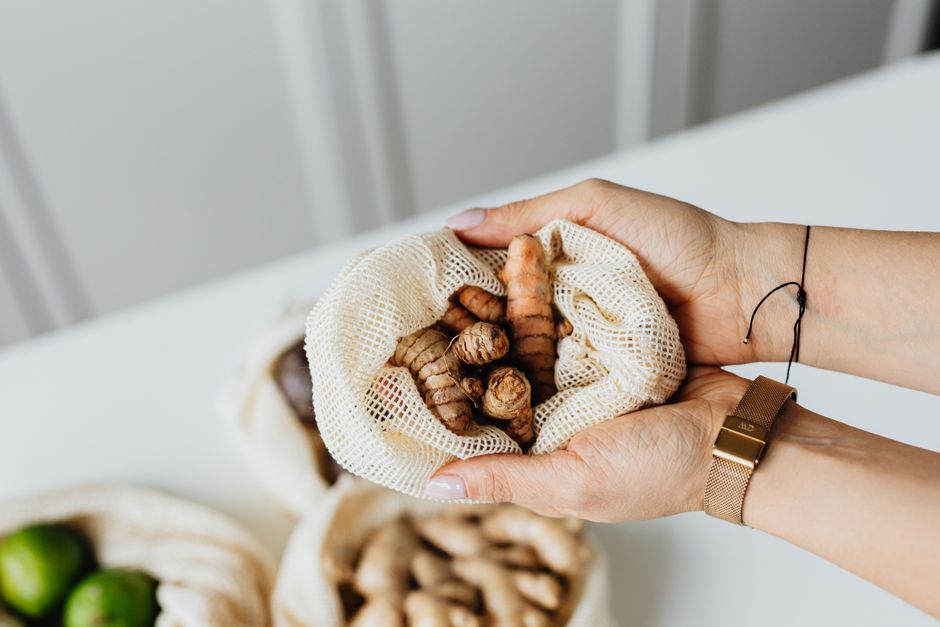
Freezing fresh turmeric is the best way to keep it usable for months without losing its bright color or flavor. You can freeze whole roots, sliced coins, grated paste, or pre-measured cubes. Each method works well, and the right choice depends on how you plan to use the turmeric in your cooking.
Why Freeze Fresh Turmeric at All?
Fresh turmeric root looks like a smaller, more knobby version of ginger. It has a thin brown skin and a deep orange interior. When stored in the refrigerator, it tends to dry out or grow mold within a couple of weeks.
Freezing stops that process. Frozen turmeric keeps its active compounds and its flavor for at least six months, and often longer. The key thing to understand is that freezing changes the texture. The cell walls in the root break down as water inside them freezes and expands.
This means thawed turmeric will be softer than fresh. It will not have the same crisp snap. For most cooking uses, this does not matter. You are usually grating, simmering, or blending turmeric anyway. If you need perfect raw slices for presentation, frozen turmeric is not the right choice.
Method 1: Freeze Whole Unpeeled Roots
This is the simplest method and the best one if you want maximum flexibility later. Whole roots take the longest to thaw, but they also stay freshest because less surface area is exposed to air.
Start by brushing off any loose dirt. Do not wash the roots unless they are very dirty. Excess moisture creates ice crystals, which can degrade texture and flavor over time.
Pat the roots completely dry with a clean kitchen towel. Place them in a single layer on a baking sheet lined with parchment paper. Make sure the roots are not touching each other. Freeze them for two to three hours, or until they are solid.
Once frozen, transfer the roots to a freezer-safe bag or airtight container. Squeeze out as much air as possible before sealing. Label the container with the date. Whole frozen turmeric will keep for up to a year.
To use a whole frozen root, you do not need to thaw it first. Grate it directly over a microplane or fine grater while still frozen. The frozen texture actually makes grating easier and produces less of the messy paste that fresh turmeric can create.
Method 2: Freeze Sliced or Chopped Pieces
If you know you will want smaller pieces for smoothies, teas, or quick stir-fries, slice the turmeric before freezing. This method thaws faster and allows you to grab exactly the amount you need without thawing the entire root.
Peel the turmeric first if you prefer. The skin is edible but tough and fibrous. Some people find it has a slightly bitter taste. Use a spoon to scrape off the skin, just like you would with ginger. A vegetable peeler also works, but the knobby shape of turmeric makes a spoon more effective.
Cut the peeled root into thin coins, about one-eighth to one-quarter inch thick. You can also cut it into matchstick pieces or rough chunks. The smaller the piece, the faster it will freeze and thaw.
Spread the pieces in a single layer on a parchment-lined baking sheet. Freeze until solid, usually one to two hours. Transfer to a freezer bag, remove the air, and seal. Sliced turmeric keeps for six to nine months.
Frozen slices can go directly into soups, stews, or boiling water for tea. No thawing needed. If you want to grate them, let them sit at room temperature for about ten minutes first so they are not rock hard.





Method 3: Freeze Grated Turmeric in Flat Packs
Grated turmeric is the most convenient form for daily use. You can add it directly to curries, rice dishes, marinades, or salad dressings without any prep work. The downside is that grating exposes more surface area to air, so flavor loss happens faster than with whole pieces.
Peel the turmeric roots and grate them using a fine microplane or the fine side of a box grater. You will notice that fresh turmeric stains everything it touches, including your fingers and cutting board. The yellow pigment is called curcumin, and it is a strong natural dye.
Consider wearing kitchen gloves for this step. If you do stain your hands, rubbing them with a little cooking oil followed by soap usually helps lift the color.
Spread the grated turmeric in a thin, even layer inside a freezer-safe bag. Press it flat so the layer is no more than half an inch thick. Remove as much air as possible before sealing.
Flat-packed grated turmeric freezes into a sheet that you can break apart like a cracker. Snap off a piece whenever you need it. This method takes up very little freezer space and thaws almost instantly.
Grated turmeric keeps well for about six months. After that, the flavor gradually fades. It will not spoil or become unsafe to eat, but it will be less potent.
Method 4: Freeze Turmeric Paste in Ice Cube Trays
Turmeric paste is the most processed method, but it is also the most convenient. You create a thick paste ahead of time, freeze it into individual portions, and then pop out exactly what you need for each recipe.
To make the paste, peel and grate about one cup of fresh turmeric. Place it in a small saucepan with two to three tablespoons of water. Warm it over low heat, stirring constantly, until it forms a thick paste. This takes about five minutes. The heat releases the starches and makes the paste smoother.
Let the paste cool completely. Spoon it into ice cube trays or silicone molds. Each standard ice cube holds about one to two tablespoons of paste. Freeze until solid, usually four to six hours.
Pop the frozen cubes out of the tray and store them in a freezer bag. Label the bag with the date and the approximate amount per cube. Paste cubes keep for six months.
This method works especially well if you frequently make golden milk, turmeric tea, or curry sauces. One cube dropped into a warm liquid melts quickly and distributes evenly.
You can also add other ingredients to the paste. Some people mix in black pepper, which contains piperine. Piperine helps the body absorb curcumin more effectively. Others add a little coconut oil for the same reason, since curcumin is fat-soluble. These additions change the flavor profile, so consider whether they fit your usual cooking style.
How Long Does Frozen Turmeric Last?
Frozen turmeric does not go bad in the way that fresh food does. Freezing halts the bacterial growth that causes spoilage. The food remains safe to eat indefinitely as long as it stays frozen.
Quality is a different story. Over time, frozen turmeric gradually loses its volatile oils, which carry much of the aroma and flavor. The color also fades slowly.
Here is a practical timeline based on quality, not safety:
- Whole roots: best within 12 months
- Sliced pieces: best within 9 months
- Grated flat packs: best within 6 months
- Paste cubes: best within 6 months
These are general guidelines. If you have a well-sealed bag and a consistent freezer temperature of 0°F or below, your turmeric will likely stay good longer. Trust your senses. If the turmeric smells dull or looks significantly faded, it is time to replace it.
Does Freezing Destroy the Nutrients in Turmeric?
No. Freezing is one of the best preservation methods for retaining nutrients. The cold temperature slows down the enzymatic reactions that break down vitamins and antioxidants.
Research consistently shows that frozen fruits and vegetables often retain nutrient levels comparable to fresh produce. This applies to turmeric as well. The curcumin content, which is the main active compound studied for its anti-inflammatory properties, remains stable through freezing.
What matters more is how you handle the turmeric before and after freezing. Cutting and grating expose more surface area to oxygen, which can degrade some compounds over time. This is why whole frozen roots retain their potency longer than pre-grated packs.
One thing to note: curcumin is poorly absorbed by the body on its own. Eating turmeric with black pepper or a source of fat improves absorption significantly. This is true whether the turmeric is fresh, frozen, or dried.
How To Tell If Frozen Turmeric Has Gone Bad
Frozen turmeric rarely becomes dangerous to eat, but it can lose quality. The most common signs of freezer damage are freezer burn and moisture loss.
Freezer burn appears as dry, grayish or white patches on the surface. It happens when air reaches the food and pulls moisture out. The affected areas will taste bland and have a leathery texture. You can cut off freezer-burned sections and use the rest.
If you notice ice crystals inside the bag, that is not a sign of spoilage. It means the turmeric thawed slightly and refroze. The texture will be softer, but the turmeric is still safe to use.
A bad smell is the clearest warning sign. Fresh turmeric has a peppery, earthy, slightly citrusy aroma. If it smells sour, musty, or like fermented food, discard it.
Frequently Asked Questions
Do I need to peel turmeric before freezing it?
No, whole roots can be frozen unpeeled. Peel before using if you prefer, since the skin is tough and slightly bitter.
Can I freeze dried turmeric powder?
Yes, but it is unnecessary. Dried powder already has a long shelf life and freezing can introduce moisture that causes clumping.
Does frozen turmeric stain like fresh turmeric?
Yes, the curcumin pigment survives freezing. Use gloves when handling thawed turmeric to avoid staining your hands.
Can I freeze turmeric with ginger together?
Yes, grate equal parts turmeric and ginger, mix well, and freeze in flat packs or cubes for convenient cooking portions.
