
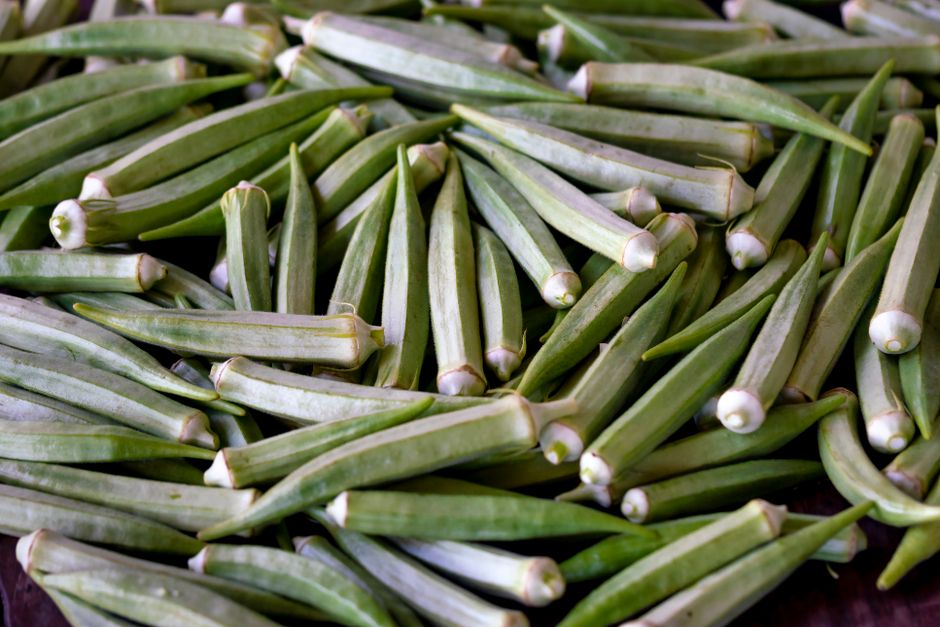
Freezing fresh okra is simple, and you have two solid options: blanch it first for the best quality, or freeze it raw if you plan to cook it directly from frozen. Blanching stops the enzymes that cause okra to become tough and lose flavor over time in the freezer. Freezing raw okra works fine for soups and stews where you will cook it thoroughly, but it will not keep as long or taste as fresh as blanched okra.
Why Blanching Matters for Frozen Okra
Blanching is a quick cooking step where you drop okra into boiling water for a short time, then cool it fast in ice water. This process is not just about cooking. It stops enzyme activity that continues even at freezer temperatures.
Those enzymes cause three problems over time. They break down the okra’s texture, making it mushy. They dull the green color. And they create off-flavors that make frozen okra taste old. The freezer slows these enzymes down, but it does not stop them. Blanching stops them before freezing.
The result is okra that stays closer to fresh for up to a year. Raw-frozen okra will start losing quality after a couple of months. Some studies suggest blanching also helps preserve nutrients like vitamin C, which degrade during frozen storage.
How To Blanch Okra Before Freezing
Start with fresh okra pods. Pick ones that are firm, bright green, and free of brown spots. Smaller pods, around 3 to 4 inches long, freeze better than large woody ones.
Wash the okra well and pat it dry. Trim the stem end, but do not cut into the pod itself. Cutting the pod exposes the interior and releases the sticky mucilage that makes okra slimy. Keep the pods whole, or slice them into rounds if you prefer. Just know that sliced okra releases more mucilage during freezing.
Bring a large pot of water to a rolling boil. Drop the okra in and set a timer. Whole pods need about 3 minutes. Slices need about 2 minutes. Do not overcook. The goal is to heat the center of the pod enough to stop the enzymes, not to cook the okra through.
While the okra boils, prepare a bowl of ice water. Use plenty of ice so the water stays cold. When the timer goes off, scoop the okra out and plunge it into the ice bath. Leave it there for the same amount of time it boiled — about 3 minutes for whole pods. This stops the cooking process immediately.
Drain the okra well and spread it on a clean towel. Pat it dry. Excess moisture on the surface turns to ice crystals in the freezer, which can make the okra mushy when it thaws. Let it air dry for a few minutes if needed.
Freezing Okra Without Blanching
Raw freezing is faster and requires less equipment. It works best if you plan to use the okra within 2 to 3 months and will cook it in a dish with liquid, like gumbo, soup, or curry.
Wash the okra and dry it thoroughly. Trim the stems. You can freeze the pods whole or slice them. Slicing before freezing means you can dump the frozen pieces straight into a pot without thawing, which is convenient.
Spread the okra in a single layer on a baking sheet lined with parchment paper. Make sure the pieces are not touching each other. Freeze for 1 to 2 hours, or until the okra is solid. This step, called flash freezing or tray freezing, keeps the pieces separate so they do not clump into one solid mass.
Once frozen, transfer the okra to a freezer bag or airtight container. Squeeze out as much air as possible before sealing. Label the bag with the date. Frozen raw okra keeps for about 3 months before quality starts to decline.





Which Method Should You Choose?
Blanched okra is the better choice if you care about texture and flavor over the long term. It stays good for 10 to 12 months in the freezer. Raw okra is the better choice when you are in a hurry or know you will use it within a few months.
There is one important difference in how you cook them. Blanched okra is partially cooked, so it needs less time in the pot. Add it near the end of cooking. Raw frozen okra needs more time to cook through, so add it earlier.
Both methods produce edible okra. The difference is in quality. Blanched okra keeps its green color and firm texture. Raw-frozen okra tends to be softer and less vibrant. In a heavily seasoned gumbo, most people cannot tell the difference. In a simple sautéed side dish, they can.
How To Prevent Okra From Getting Slimy When Frozen
The slime in okra, technically called mucilage, is a natural thickening agent. It is released when the pod is cut. Freezing actually makes this worse because ice crystals rupture the cell walls, releasing more mucilage.
Blanching reduces this effect. The heat changes the structure of the mucilage, making it less sticky. That is another reason blanched okra holds up better in the freezer.
If you are freezing raw okra, keep the pods whole. Whole pods release far less mucilage than sliced ones. If you need sliced okra, freeze the slices on a tray first, then bag them. This limits the surface area that comes into contact with the bag and reduces clumping.
When you cook frozen okra, do not thaw it first. Cooking from frozen reduces the slime because the okra spends less time sitting in its own released moisture. Add it directly to your hot pot or pan.
How Long Does Frozen Okra Last?
Blanched okra keeps its best quality for 10 to 12 months in a standard freezer at 0°F or below. Raw okra keeps its best quality for 2 to 3 months.
These are quality timelines, not safety timelines. Frozen food stays safe to eat indefinitely at 0°F because bacteria cannot grow at that temperature. The texture, color, and flavor will decline over time, but the food will not make you sick.
Freezer burn is the main enemy. It happens when air reaches the food and dries out the surface. Squeeze out excess air from bags, use airtight containers, and avoid opening the freezer door frequently. Proper packaging is more important than most people realize.
Can You Freeze Cooked Okra?
Yes, cooked okra freezes well, but with one caveat. If the okra is in a sauce or stew, it freezes fine and reheats well. The sauce protects the okra from freezer burn and keeps it moist.
Fried okra does not freeze well. The coating becomes soggy when reheated. If you want to freeze fried okra, freeze it on a tray first, then bag it, and reheat it in an oven or air fryer. It will not be as crisp as fresh, but it is acceptable.
Roasted or sautéed okra can be frozen and reheated, but the texture will soften. Use it within 2 months for the best results.
Tips for Using Frozen Okra
Do not thaw frozen okra before cooking. Thawing releases moisture and makes the okra mushy. Add it straight from the freezer to your pot.
Frozen okra works best in dishes with liquid. Gumbo, soups, stews, and curry are ideal because the okra acts as a thickener. The mucilage that causes slime in a sauté pan is actually useful in a soup — it thickens the broth.
If you want to sauté frozen okra, use high heat and a hot pan. Do not overcrowd the pan. Cook it quickly so the moisture evaporates fast. It will still be softer than fresh okra, but it will be edible.
Frequently Asked Questions
Do I have to blanch okra before freezing?
No, you can freeze okra raw without blanching. Raw-frozen okra works fine for soups and stews, but it only keeps good quality for about 2 to 3 months instead of up to a year.
How long do you blanch okra for freezing?
Whole okra pods need about 3 minutes in boiling water, and sliced okra needs about 2 minutes. Immediately transfer the okra to an ice bath for the same amount of time to stop the cooking.
Does frozen okra get slimy?
Freezing can make okra slimy because ice crystals break cell walls and release mucilage. Blanching before freezing reduces this effect, and cooking from frozen without thawing also helps minimize slime.
How long can you keep okra in the freezer?
Blanched okra keeps its best quality for 10 to 12 months. Raw-frozen okra keeps its best quality for 2 to 3 months. Frozen food stays safe to eat indefinitely, but quality declines over time.
