
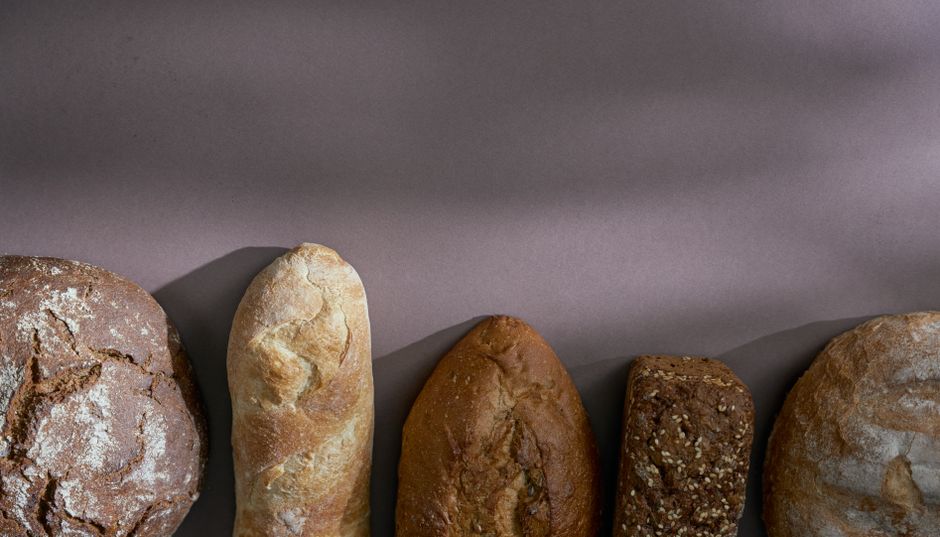
Freezing is the best way to keep bread from going stale, and it works far better than the fridge. Wrap the loaf tightly so air can’t reach it, freeze it while it’s still fresh, and thaw slices at room temperature or in a toaster. Most breads keep well for about three months in a standard freezer.
That short answer covers the basics. The details are where people go wrong — and where frozen bread turns soggy, dry, or picks up freezer odors. Here is what actually matters.
Why Does Freezing Keep Bread Fresh?
Staling is mostly a process of starch retrogradation. When bread is baked, heat and water gelatinize the starch granules. As the bread cools and sits, those starch molecules slowly re-crystallize and squeeze water out. The crumb turns firm and dry even though the bread hasn’t lost much moisture.
Cold temperatures speed this up. That’s the counterintuitive part: the refrigerator is one of the worst places to store bread. The chill accelerates starch retrogradation, so a loaf goes stale faster in the fridge than on the counter.
Freezing stops the process almost entirely. At freezer temperatures, there isn’t enough molecular mobility for the starch to re-crystallize, so staling essentially pauses. The bread isn’t preserved forever — quality still declines over months — but it holds up far longer than at room temperature.
How To Freeze Bread So It Doesn’t Get Soggy
The enemy of frozen bread is air, and the second enemy is trapped moisture. Get both right and the loaf comes out close to fresh.
Step 1: Freeze it fresh
Freeze bread on the day you buy or bake it, or the day after at the latest. Freezing does not reverse staling — it only pauses it. A loaf that’s already two days old will thaw two days old.
Step 2: Let it cool completely
If you baked the bread yourself, cool it fully on a rack first. Warm bread releases steam inside the wrapping, and that steam turns to ice crystals that make the crust soggy and the crumb icy.
Step 3: Slice it first
Pre-slicing is the single most useful tip. It lets you take out only what you need, so the rest stays frozen. It also means you can toast slices straight from frozen without waiting for a whole loaf to thaw. A whole loaf takes hours to thaw at room temperature and dries out at the cut edges while it does.
Step 4: Wrap it tightly
Double-layer the protection. Wrap the loaf or slices tightly in plastic wrap or a freezer bag, pressing out as much air as possible. Then place it inside a second freezer bag or an airtight container. The first layer keeps moisture in; the second keeps freezer air and odors out.
Freezer burn — those dry, pale patches — happens when surface moisture sublimates into the cold, dry freezer air. It isn’t unsafe to eat, but the texture turns leathery. Tight wrapping prevents it.
Step 5: Label and date it
Bread all looks the same after a month. Write the date on the bag so you know what you’re working with.
How Long Does Frozen Bread Last?
For best quality, plan on about three months. That’s the general guidance for home freezing of bread. After that, the bread is still safe to eat, but the texture and flavor decline — it may taste flat or dry even when properly wrapped.
Safety is a separate question from quality. A freezer held at 0°F (-18°C) keeps food safe indefinitely from a microbial standpoint, because bacteria, yeast, and mold can’t grow at that temperature. The three-month figure is about eating quality, not food safety.
Different breads hold up differently:
- Lean crusty breads (baguettes, sourdough) freeze well but lose crust crispness. Refresh them in a hot oven after thawing.
- Sandwich bread and soft rolls freeze very well and thaw close to original texture.
- Enriched breads (brioche, challah) freeze well because fat helps retain moisture.
- Bread with a wet filling or fresh toppings doesn’t freeze well and is better eaten fresh.




How Should You Thaw Frozen Bread?
The right thawing method depends on how you plan to eat it.
For toast or a sandwich, go straight from frozen to the toaster. There’s no need to thaw first — the toaster handles it and the result is close to fresh.
For a whole loaf or larger pieces, thaw at room temperature in the wrapping. This takes a few hours for a full loaf. Leaving it wrapped while it thaws helps trap moisture so the crust doesn’t dry out.
For crusty bread, a brief reheat in a hot oven restores crispness. A few minutes at around 350°F (about 175°C) works for most loaves and slices. This step matters most for baguettes and artisan breads, where the crust is the point.
Skip the microwave for anything you want crisp. It heats unevenly and leaves bread rubbery.
Common Freezing Mistakes to Avoid
Most frozen bread problems trace back to a handful of avoidable errors.
- Storing bread in the fridge instead of the freezer. The fridge speeds staling. If you’re not freezing, keep bread at room temperature.
- Freezing in the original plastic bag alone. Bakery bags are often thin and not airtight. Add a proper freezer bag or wrap.
- Refreezing thawed bread. Each thaw-and-refreeze cycle degrades texture further. Slice before freezing so you only thaw what you’ll use.
- Freezing warm bread. Steam inside the wrapping forms ice and sogginess.
- Leaving it unwrapped in the freezer. Bread absorbs freezer odors quickly and dries out.
Does Freezing Change Bread’s Nutrition?
Freezing has little effect on bread’s nutritional value. The macronutrients — carbohydrate, protein, and fat — are stable through freezing and thawing. Some water-soluble vitamins are sensitive to temperature and time, but the losses from freezing bread are generally small compared with the losses from bread going stale and being thrown away.
The bigger nutritional point is what you do with the bread afterward. Toasting and spreads affect the final nutrition far more than freezing does.
Frequently Asked Questions
Can you freeze bread in its original packaging?
You can, but thin bakery bags usually aren’t airtight enough to prevent freezer burn. Add a freezer bag or an extra layer of plastic wrap for better protection.
How long can you keep bread in the freezer?
For best quality, about three months. It stays safe to eat longer at 0°F, but texture and flavor decline over time.
Should you thaw frozen bread before toasting it?
No. Slices go straight from the freezer into the toaster and come out close to fresh. Thawing first isn’t necessary for toast or sandwiches.
Why does bread go stale faster in the fridge?
Cold temperatures speed up starch retrogradation, the process behind staling. The freezer stops it because the molecules can’t move enough to re-crystallize.
