

You cannot force sleep the way you force a muscle to lift a weight. Sleep is not a switch you flip. It is a state your brain enters when two conditions line up: enough pressure to sleep and a calm, dark, quiet signal that it is safe to do so. The practical way to “force” sleep is to stop chasing it and instead set up the conditions your body already uses to fall asleep on its own. That means controlling light, timing, temperature, and what you do in the minutes before bed.
Why Can’t I Fall Asleep Even When I’m Exhausted?
Feeling tired and being able to sleep are two different things. Tiredness is a signal. Falling asleep is a process, and that process can be blocked.
The main blocker is arousal. When your brain reads your situation as a threat — a deadline tomorrow, a racing mind, a bright screen — it keeps the alert systems on. This is sometimes called hyperarousal, and it is one of the most studied features of chronic insomnia. Your body is tired, but your nervous system is not standing down.
Two systems control when you sleep. The first is sleep pressure, driven by a chemical called adenosine that builds up the longer you stay awake. The second is your circadian rhythm, the internal clock that decides when you are meant to be alert or drowsy. Caffeine blocks adenosine, which is why a 3 p.m. coffee can still affect you at 11 p.m. Light exposure, especially in the evening, tells your clock to delay sleep.
When these systems are out of step, you get the frustrating experience of lying awake while exhausted. The fix is rarely one trick. It is usually several small changes that let both systems work again.
What Is the Fastest Way To Fall Asleep Tonight?
The fastest realistic path is to lower your arousal level and remove competing signals. Nothing works instantly for everyone, but these steps are the most reliable for most people.
- Get out of bed if you have been awake for what feels like a long stretch. Lying there frustrated trains your brain to associate the bed with being awake.
- Dim the lights an hour before bed. Bright light, especially from screens, tells your brain it is still daytime.
- Cool the room. Core body temperature needs to drop for sleep to begin. A cool bedroom supports that drop.
- Slow your breathing. Slower, deeper breathing can calm the nervous system and reduce the physical signs of arousal.
- Stop watching the clock. Checking the time repeatedly feeds anxiety and makes sleep less likely.
If your mind is racing, writing down what is on your mind can help. The act of putting worries on paper can reduce the mental loop that keeps you alert. This is a common clinical suggestion, and some research supports it, though the evidence is not strong enough to call it a guaranteed fix.
How To Force Yourself To Fall Asleep With a Racing Mind
A racing mind is the most common reason people cannot fall asleep. The thoughts are not the real problem. The problem is that your brain is still in problem-solving mode when it should be winding down.
One approach is to give your brain a boring, repetitive task. Counting breaths, mentally walking through a familiar route, or slowly relaxing one muscle group at a time can crowd out the anxious thoughts. This is the basis of relaxation techniques that have been used in sleep clinics for decades.
Another approach is to schedule worry time earlier in the evening. Set aside ten or fifteen minutes well before bed to write down concerns and possible next steps. When the same thoughts show up at bedtime, you can remind yourself they have already had their time. This is a standard cognitive technique, and it works better for some people than others.
What tends not to work is trying harder. Effort itself is arousing. The more you demand sleep, the more your brain treats it as a performance to be judged. Letting go of the demand is part of the skill.

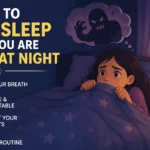



Does Sleep Hygiene Actually Work?
Sleep hygiene is the set of habits that support sleep: consistent schedule, dark cool room, limited caffeine and alcohol, no screens in bed. These habits matter. They are also not a complete treatment for chronic insomnia on their own.
This is a point worth being clear about. Sleep hygiene removes obstacles. It does not always fix the underlying arousal that keeps insomnia going. For occasional bad nights, good habits often make the difference. For insomnia that has lasted weeks or months, the evidence points to a specific therapy called cognitive behavioral therapy for insomnia, or CBT-I.
CBT-I is the first-line treatment recommended in major clinical guidelines for chronic insomnia. It combines sleep scheduling, stimulus control, and cognitive work. It is more effective than sleep hygiene alone, and it is typically delivered over several weeks. If you have struggled with sleep for more than a few weeks, this is the treatment to ask your doctor about.
What Should I Avoid When Trying To Sleep?
Some common habits make sleep harder even when they feel helpful.
- Alcohol. It can make you drowsy, but it fragments sleep later in the night and reduces sleep quality.
- Caffeine after early afternoon. Its effects can last for many hours, and people vary widely in how quickly they clear it.
- Long or late naps. Napping can reduce the sleep pressure you need at night.
- Heavy meals close to bedtime. Digestion can interfere with sleep for some people.
- Vigorous exercise right before bed. For many people this is stimulating, though individual responses vary.
- Lying in bed awake for a long time. This weakens the link between bed and sleep.
One clarification that surprises people: a glass of wine before bed is not a sleep aid. It is a sedative that wears off, and the second half of the night often suffers for it.
When Should I See a Doctor About Not Sleeping?
Talk to a healthcare professional if sleep problems last more than a few weeks, affect your daytime function, or come with loud snoring, gasping, or pauses in breathing. Those breathing signs can point to sleep apnea, which needs medical evaluation and is not something to manage with better bedtime habits alone.
Also seek help if low mood, anxiety, or persistent worry is part of the picture. Sleep and mental health affect each other in both directions, and treating one often helps the other. This is not a sign of weakness. It is a common and treatable situation.
For most people, the honest summary is this: you cannot force sleep, but you can stop blocking it. Control the light, the timing, the temperature, and the mental load. If that is not enough, the next step is not more willpower. It is a proven treatment.
Frequently Asked Questions
How long should it take to fall asleep?
For most healthy adults, falling asleep takes about 10 to 20 minutes. Consistently taking much longer, night after night, can be a sign of insomnia worth discussing with a doctor.
Is it bad to stay in bed when I can’t sleep?
Yes, staying in bed awake for long stretches can teach your brain to link the bed with being awake. If you are wide awake for what feels like a long time, getting up and doing something calm in dim light until you feel sleepy is the standard advice.
Does melatonin help me fall asleep faster?
Melatonin can help shift your body clock, which is useful for jet lag or shift work. The evidence that it helps people fall asleep faster for general insomnia is limited and mixed.
What is CBT-I and does it work?
CBT-I is a structured therapy that retrains sleep habits and thinking over several weeks. It is the first-line treatment recommended in major clinical guidelines for chronic insomnia.
