
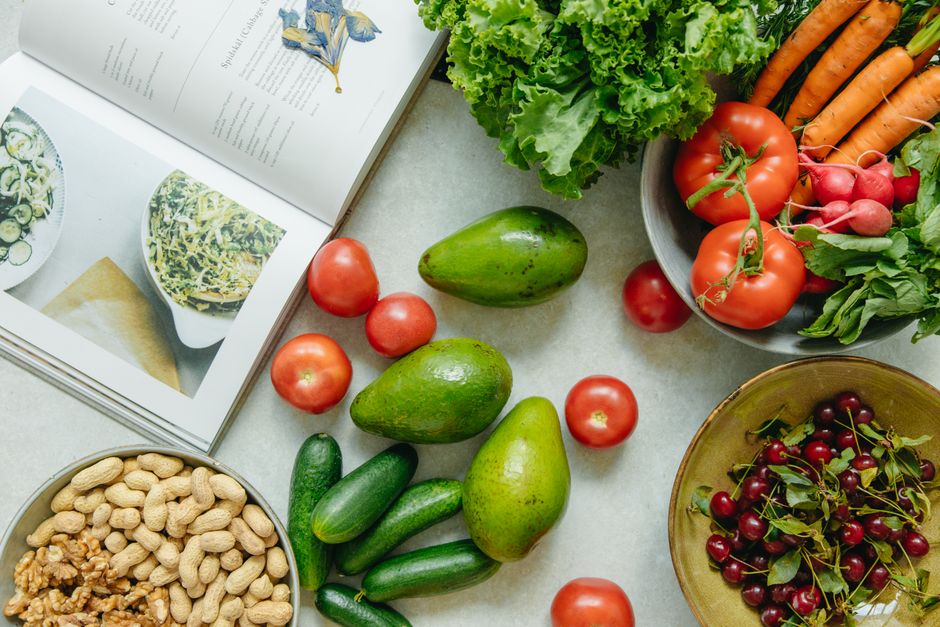
Food prep for the week means cooking or assembling meals in advance so daily eating takes less time and fewer decisions. Most people do it in one session of one to three hours, then eat from the results over the next three to five days. The method that works best is built around safe cooling and storage, a small set of flexible base ingredients, and honest limits on how long prepped food stays good.
How Long Does Prepped Food Actually Stay Safe?
Cooked food kept in the refrigerator is generally safe for three to four days. That guidance comes from US food safety authorities, and it applies to most cooked meats, grains, and vegetable dishes. The clock starts when the food is cooked, not when you put it in the container.
The bigger risk in meal prep is cooling, not storage. Bacteria multiply fastest between roughly 40°F and 140°F, a range food safety agencies call the danger zone. A large pot of stew or a whole roasted chicken can sit in that range for hours while the inside stays warm. Split hot food into shallow containers before refrigerating so it cools quickly. Don’t stack hot containers tightly together in the fridge.
Freezing extends the window considerably. Cooked meals frozen at 0°F stay safe indefinitely from a microbial standpoint, though quality declines over months. Three months is a reasonable practical limit for most home-frozen meals. Freezing does not kill bacteria — it pauses them — so food still needs to be handled safely before it goes in.
Reheating matters too. Leftovers should be reheated to 165°F throughout. A food thermometer is the only reliable way to confirm this. Stirring midway through microwave heating helps avoid cold spots.
What Should You Prep First?
Start with components, not finished meals. This is the single most useful shift in thinking about weekly food prep. Fully assembled meals lock you into eating the same dish five days running. Prepped components let you build different plates from the same work.
Cooked proteins, cooked grains, washed and cut vegetables, and a couple of sauces or dressings cover most of what people actually assemble during the week. A batch of roasted chicken, a pot of rice or quinoa, and a tray of roasted vegetables can become a grain bowl, a salad topping, a wrap filling, or a quick stir-fry.
Some foods hold up far better than others after a few days in the fridge:
- Holds well: cooked grains, roasted root vegetables, braised meats, bean and lentil dishes, soups, stews, hard-boiled eggs
- Holds moderately: cooked chicken and fish, blanched green vegetables, cut sturdy vegetables like carrots and peppers
- Does not hold well: cut fruit, leafy greens once dressed, fried foods, delicate herbs, avocado
Leafy greens are worth a specific note. They keep far longer washed, thoroughly dried, and stored with a paper towel to absorb moisture than they do cut and wet. Dressing a salad in advance wilts it within hours. Store dressing separately and combine at the moment you eat.
How Do You Plan a Week of Food Prep Without Wasting Food?
Plan around what you will realistically eat, not what you wish you would eat. The most common failure in meal prep is cooking ambitious quantities that go uneaten. Waste, not effort, is usually the real problem.
Work backward from your week. Count how many lunches and dinners you will actually eat at home. A person who eats lunch out three days a week needs two prepped lunches, not five. Being honest about this at the planning stage prevents the fridge full of abandoned containers by Thursday.
Choose a small number of overlapping ingredients. If you buy a bag of carrots, plan two or three dishes that use carrots so nothing sits half-used. The same principle applies to a whole chicken, a bunch of spinach, or a container of yogurt. Overlap reduces both waste and the number of decisions you make while shopping.
Shop with a list built from your plan, and check what you already have before you buy. This sounds obvious, but most food waste starts with buying a second jar of something already in the pantry.
One practical detail many guides skip: plan a “flex” meal. Leave one dinner open each week for leftovers or whatever needs using up. It absorbs the unpredictability of real life without derailing the whole plan.
What Is the Safest Way to Store Prepped Meals?
Use shallow, airtight containers and label them with the date. Shallow containers cool faster and stack more efficiently. Airtight seals slow moisture loss and keep odors from spreading between dishes.
Glass and plastic both work. Glass does not stain or hold odors and is safe for oven and freezer use in most forms. Plastic is lighter and cheaper but can warp with heat and may retain smells over time. Choose based on how you will reheat — glass is generally the more durable long-term option.
Portion into single servings before storing. This makes grabbing a meal fast, helps with portion control if that matters to you, and means you reheat only what you will eat. Reheating a large container repeatedly and cooling it again exposes food to the danger zone multiple times.
Keep raw meat separate from ready-to-eat food in the fridge, and store raw meat on the bottom shelf so juices cannot drip onto other items. This is standard food safety practice and worth building into your storage routine.
How Much Time Does Weekly Food Prep Really Take?
A realistic prep session takes one to three hours for most households. That range covers shopping, cooking, cooling, and packing. The lower end applies to simple component prep like grains and roasted vegetables. The higher end applies to multiple proteins and several finished dishes.
The time investment pays back across the week, but the return is uneven. Some people save significant time. Others mainly save decision fatigue, which is a real benefit but harder to measure. If your goal is time savings specifically, focus on the meals you would otherwise order out or skip — those are where prep has the clearest payoff.
Batch cooking on a single day suits some people and not others. Splitting prep into two shorter sessions — one for proteins and grains, one for vegetables and assembly — can feel more manageable and keeps food fresher because the second session happens later in the week. There is no single right schedule. The best one is the one you will actually repeat.
Do You Need Special Containers or Equipment?
No. Basic containers, a sheet pan, a large pot, and a sharp knife cover most weekly prep. Specialized gear can make the process smoother but is not required, and buying equipment before you have a routine is a common way to spend money on a habit that does not stick.
That said, a few items genuinely help. A food thermometer is the one piece of equipment worth prioritizing, because it is the only reliable way to confirm safe reheating and doneness. Shallow containers cool food faster than deep ones. A large sheet pan lets you roast a full batch of vegetables at once.
Be skeptical of meal prep gadgets marketed as time-savers. Many solve problems that a knife and a cutting board already solve. Start with what you own and add only what you find yourself repeatedly wishing you had.
What Are the Most Common Food Prep Mistakes?
Cooking too much at once is the most common mistake. It leads to waste, boredom, and food that spoils before it is eaten. Prep less than you think you need the first few weeks, then scale up once you know your real consumption.
Prepping foods that do not store well is the second. Cut fruit, dressed salads, and fried foods all degrade quickly. Save those for the day you eat them.
Ignoring cooling is the third, and it is the one with real safety consequences. Hot food packed straight into deep containers and stacked in the fridge can stay in the danger zone for hours. Cool in shallow containers first.
Finally, prepping without a plan for variety. Eating the same meal five days running is a fast route to abandoning the whole system. Prep components rather than finished meals, and keep a couple of quick fresh additions — herbs, a squeeze of lemon, a handful of greens — to vary the plate without extra cooking.
Frequently Asked Questions
How long does prepped food last in the fridge?
Most cooked food is safe for three to four days in the refrigerator, counting from when it was cooked. Freeze portions you will not eat within that window.
Is it safe to meal prep for the whole week on Sunday?
It is safe if you freeze the portions you plan to eat later in the week. Food kept only in the fridge should be eaten within three to four days, so days five through seven should come from the freezer.
Can you meal prep rice and pasta?
Yes, both store well for three to four days in the fridge. Cool them quickly in shallow containers and reheat thoroughly before eating.
What foods should you not meal prep?
Cut fruit, dressed salads, fried foods, and delicate herbs lose quality fast. Prep them fresh on the day you eat them rather than days in advance.
