
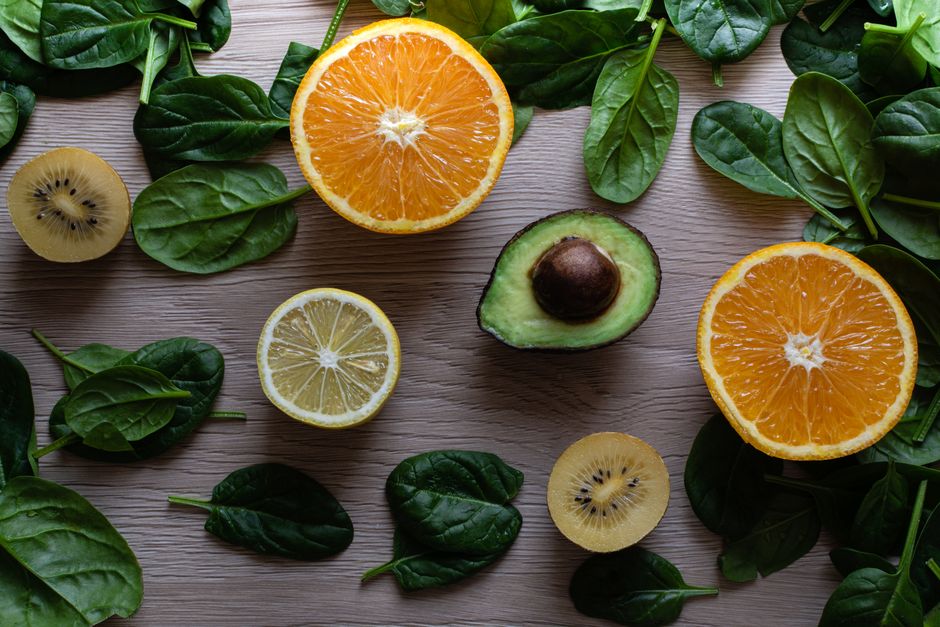
A low oxalate vegan diet combines two separate eating plans: one that limits foods high in oxalates and another that excludes all animal products. You can follow both at the same time, but it requires careful planning to avoid nutritional gaps. The key is choosing low oxalate plant foods while making sure you still get enough protein, calcium, iron, and vitamin B12 from vegan sources.
What Are Oxalates and Why Do Some People Limit Them?
Oxalates are natural compounds found in many plant foods. Your body also produces them on its own. When oxalate levels in the urine get too high, they can bind with calcium and form crystals. These crystals are the most common type of kidney stone.
Most people do not need to limit oxalates. Their bodies handle them without problems. But some people form calcium oxalate kidney stones repeatedly, and their doctors may suggest lowering dietary oxalates. Others have a rare condition called primary hyperoxaluria, where the liver produces too much oxalate. That condition requires strict medical management.
If you have had calcium oxalate kidney stones, talk to your doctor before changing your diet. Some research suggests that eating calcium alongside oxalate-rich foods actually reduces stone risk, because the calcium binds with oxalate in the gut before it reaches the kidneys. Cutting oxalates without adjusting calcium intake can sometimes backfire.
How To Follow A Low Oxalate Vegan Diet
Start by learning which plant foods are high in oxalates. The highest sources include spinach, Swiss chard, beet greens, rhubarb, beets, almonds, peanuts, okra, and sweet potatoes. Many beans and whole grains also contain moderate amounts.
Low oxalate vegan staples include:
- Fruits: bananas, apples, melons, peaches, pears, berries in moderation
- Vegetables: kale, cabbage, broccoli, cauliflower, cucumbers, zucchini, lettuce
- Grains: white rice, oats, millet, quinoa in moderation
- Proteins: tofu, tempeh, lentils in moderation, chickpeas in moderation
- Fats: olive oil, avocado, coconut, sesame seeds in small amounts
- Dairy alternatives: rice milk, oat milk, coconut milk
You do not need to eliminate all oxalates. Most dietary guidelines aim for under 100 mg per day for people with recurrent kidney stones, though your doctor may give you a different target. A completely oxalate-free diet is nearly impossible and unnecessary.
How you cook matters. Boiling vegetables can reduce their oxalate content by 30 to 50 percent because oxalates leach into the cooking water. Discard the water afterward. Steaming and roasting do not reduce oxalates as effectively.
Nutritional Risks of Combining Both Diets
Vegan diets already require attention to certain nutrients. Adding oxalate restrictions removes several important plant sources of those same nutrients. This is where the real challenge lies.
Calcium is the biggest concern. Dairy is the most common calcium source, and vegans rely on fortified plant milks, tofu made with calcium sulfate, and leafy greens. But many leafy greens — especially spinach and Swiss chard — are high in oxalates. The calcium in those greens is also poorly absorbed because oxalates bind to it. You need to get calcium from low oxalate sources like fortified plant milks, calcium-set tofu, and fortified orange juice.
Iron is another issue. Spinach and Swiss chard are famous for iron, but they are also high in oxalates. Plant-based iron from other sources like lentils, chickpeas, and fortified cereals is less easily absorbed than animal iron. Pairing iron-rich foods with vitamin C improves absorption. Some research suggests oxalates may reduce iron absorption, though the evidence is not fully settled.
Magnesium is found in almonds, peanuts, and Swiss chard — all high oxalate foods. Low oxalate sources include pumpkin seeds, brown rice, and black beans. Most vegan multivitamins contain magnesium if you need a backup.
Fiber can drop when you cut out whole grains, beans, and nuts. Fiber is important for digestive health and blood sugar control. You can maintain adequate fiber with oats, barley, fruits, and low oxalate vegetables, but it takes deliberate effort.
Vitamin B12 is not found naturally in plant foods. This is true whether or not you limit oxalates. All vegans should take a B12 supplement or eat fortified foods regularly. Oxalate restriction does not change this requirement.




Do You Need Supplements on This Diet?
Most people combining these diets benefit from a few supplements. This is not a sign of failure. It is a practical way to cover gaps that are hard to fill with food alone.
A vegan multivitamin is a reasonable starting point. Look for one that includes vitamin B12, vitamin D, and iodine. Some vegan multivitamins also contain iron and zinc.
Calcium supplementation deserves special attention. If you have had calcium oxalate kidney stones, the relationship between calcium supplements and stone risk is complex. Some studies suggest calcium supplements taken between meals may increase stone risk, while dietary calcium reduces it. Always discuss calcium supplements with your doctor if you have a history of stones. Your doctor may recommend getting calcium from food rather than pills.
Vitamin C is worth mentioning because some research suggests high doses of vitamin C can increase oxalate production in the body. If you are limiting oxalates for kidney stone prevention, keep vitamin C intake within the recommended dietary allowance rather than taking large doses.
What Does the Evidence Actually Show?
The evidence for low oxalate diets in kidney stone prevention is not as strong as many people assume. Some studies show that reducing dietary oxalates lowers urinary oxalate levels. But urinary oxalate is only one factor in stone formation. The evidence that a low oxalate diet alone prevents recurrent stones is mixed.
What the research supports more clearly is the importance of calcium. A diet adequate in calcium, consumed with meals, reduces oxalate absorption. This is why some kidney stone specialists now emphasize calcium intake over oxalate restriction.
For people with primary hyperoxaluria, the situation is different. This genetic condition requires aggressive medical treatment, and dietary oxalate reduction is part of a broader plan. But this condition is rare and should be managed by a specialist.
No large clinical trials have compared a low oxalate vegan diet to other dietary approaches for kidney stone prevention. The available evidence comes from smaller studies and observational research. This does not mean the diet is useless. It means the strength of the evidence is moderate, not definitive.
Practical Tips for Getting Started
If your doctor recommends a low oxalate diet and you are vegan, take it step by step. Sudden drastic changes are harder to maintain and more likely to cause nutritional problems.
Start by identifying your highest oxalate foods and swapping them for lower options. Replace spinach with kale or cabbage in salads and smoothies. Use rice milk instead of almond milk. Choose macadamia nuts or pumpkin seeds over almonds and peanuts.
Keep a simple food diary for a week. Track what you eat and note any symptoms like digestive discomfort or changes in urination. This information is useful for your doctor or a registered dietitian.
Work with a registered dietitian if you can. A dietitian who understands both vegan nutrition and kidney stone management can help you build a balanced meal plan. This is especially important if you have other health conditions like diabetes or high blood pressure.
Drink plenty of water. Adequate hydration is one of the most evidence-based strategies for preventing kidney stones of any type. Aim for enough fluid to produce pale yellow urine throughout the day.
Who Should Not Try This Diet Without Medical Supervision
Pregnant women, breastfeeding mothers, and children should not attempt a low oxalate vegan diet without professional guidance. The nutritional demands of these life stages are higher, and the margin for error is smaller.
People with chronic kidney disease need individualized advice. Some forms of kidney disease require different oxalate and protein management than what a standard low oxalate vegan diet provides.
Anyone with a history of eating disorders should approach restrictive diets cautiously. A low oxalate vegan diet eliminates many foods, and the restriction can become excessive. Work with a mental health professional and a dietitian if this is a concern.
Frequently Asked Questions
Can I get enough calcium on a low oxalate vegan diet?
Yes, but you need to choose fortified foods. Calcium-set tofu, fortified plant milks, and fortified orange juice are reliable low oxalate calcium sources. Adults generally need about 1,000 mg of calcium per day.
Are frozen vegetables lower in oxalates than fresh ones?
Not necessarily. Freezing does not change oxalate content. Boiling vegetables and discarding the water is the most reliable way to reduce oxalates at home.
Is a low oxalate vegan diet safe for everyone?
No. Pregnant women, children, and people with chronic kidney disease need medical supervision. Anyone with recurrent kidney stones should discuss the diet with their doctor before starting.
Do I need to avoid all high oxalate foods completely?
No. The goal is to lower total daily oxalate intake, not to eliminate it. Eating small amounts of high oxalate foods with a calcium-rich meal is a common approach that many specialists accept.
The low oxalate vegan diet is doable, but it asks more of you than either diet alone. You must track nutrients carefully and make deliberate food choices. The payoff is a diet that respects both your ethical choices and your medical needs. It is not the easiest path, but with planning and professional support, it is a sustainable one.
