
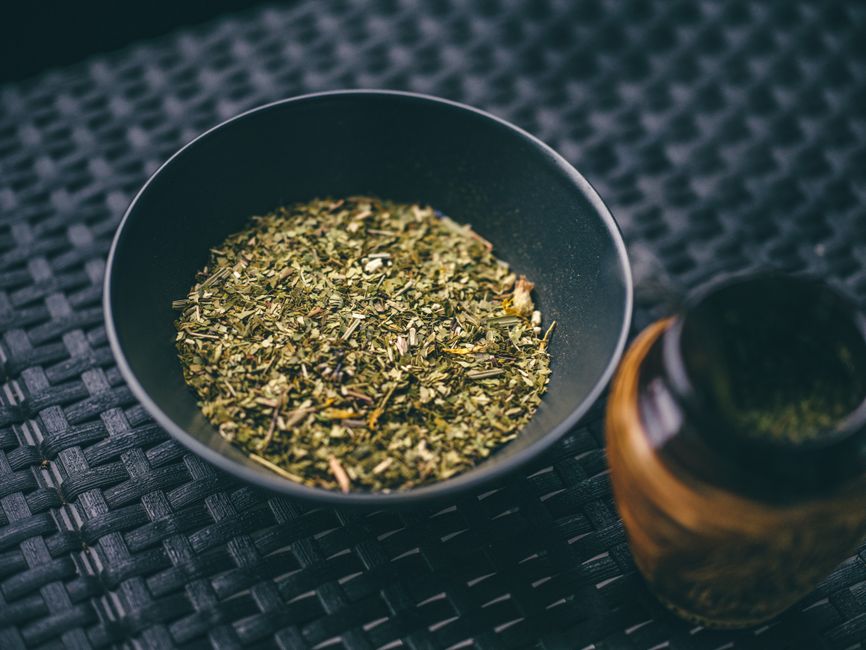
Green tea tastes bitter for a simple chemical reason. The leaves contain catechins — antioxidant compounds that turn bitter when they steep too long or in water that is too hot. Fix the brewing first, and most people find they need far less added flavor than they expected. Then, if you want more, natural additions like citrus, mint, honey, or milk can round out the taste without burying what makes green tea worth drinking.
Why Does Green Tea Taste Bitter in the First Place?
Bitterness in green tea comes from compounds called catechins, especially one called EGCG. These are the same antioxidants that make green tea interesting nutritionally. They also taste sharp and astringent when too much of them ends up in your cup.
Two things pull more catechins into the water: heat and time. Water near boiling extracts them fast. So does a long steep. Green tea is unoxidized — the leaves are heated soon after picking to stop fermentation — so it holds more of these bitter compounds than black tea does. Black tea goes through oxidation, which converts many catechins into different, smoother-tasting molecules.
That is why green tea punishes careless brewing more than other teas. The same leaf that tastes sweet and grassy at 160°F can taste harsh and soapy at 200°F. Nothing changed except the temperature.
How Do You Brew Green Tea So It Tastes Good?
Use cooler water and a shorter steep. This single change fixes more green tea complaints than any additive.
Water that is too hot is the most common mistake. Let boiling water sit for a few minutes before pouring, or aim for water that feels hot but not scalding. Steep for a short time — a minute or two for most green teas — and take the leaves or bag out. Leaving them in turns the cup bitter as it sits.
Leaf quality matters too. Fresh, whole-leaf green tea generally tastes cleaner than old or finely crushed tea, which releases bitterness faster. If your tea has been in the cupboard for years, that stale, flat taste is not something flavoring can fully hide.
A few practical habits help:
- Do not pour water straight off a rolling boil onto green tea.
- Steep briefly and remove the leaves.
- Use roughly one teaspoon of loose leaf per cup, then adjust to taste.
- Store tea away from light, heat, and moisture.
Try the tea plain after brewing this way. Many people who thought they disliked green tea were really disliking over-steeped green tea.
What Natural Additions Make Green Tea Taste Better?
Citrus, mint, honey, and milk are the most reliable additions. Each works for a different reason, and none of them require artificial flavoring.
Lemon or other citrus adds brightness and cuts the astringent edge. There is a bonus here: some research suggests vitamin C can help your body absorb the catechins in green tea, though the practical size of that effect in a normal cup is not well established. A squeeze of lemon is a low-risk way to improve taste either way.
Fresh mint adds a cool, clean note that pairs naturally with green tea’s grassy character. Bruise a few leaves and steep them with the tea, or drop them in after.
Honey softens bitterness and adds sweetness. Add it once the tea has cooled slightly, since very hot water can dull honey’s flavor. Honey is still added sugar, so keep amounts modest.
Milk makes green tea creamier and less sharp. One caveat worth knowing: some studies suggest the proteins in milk can bind catechins and may reduce how much your body absorbs. If you drink green tea mainly for its antioxidant content, milk may work against that goal. If you drink it for taste, milk is fine.
Ginger, lemongrass, and a slice of peach or apple also work well. These are taste preferences, not health claims.
Does Adding Sugar or Artificial Sweetener Ruin Green Tea?
Sugar does not destroy green tea’s beneficial compounds, but it does add calories and works against the reason many people choose green tea in the first place. A teaspoon or two is a reasonable compromise if you need sweetness.
Artificial sweeteners will sweeten the tea without adding sugar calories. Whether they are a good long-term choice is a separate question with ongoing research, and the evidence on health effects is mixed. That is a decision to make with your own priorities, not something green tea flavoring settles.
If you want sweetness without much sugar, a small amount of honey or a piece of fruit steeped with the tea often satisfies better than a large spoonful of sugar. The goal is a cup you will actually drink, not a perfect one you avoid.
What About Flavoring Green Tea Without Adding Calories?
You can shift green tea’s flavor with aroma and temperature rather than ingredients. These methods add almost nothing to the cup.
Serving green tea iced changes how you perceive bitterness. Cold temperatures mute bitter and astringent notes, which is why iced green tea often tastes smoother than the same tea served hot. Brew it a little stronger, then chill it over ice.
Adding a strip of citrus peel, a vanilla bean, or a cinnamon stick to the hot water and letting it steep adds aroma without sugar. Much of what we call “taste” is actually smell, so scenting the tea this way can make it feel sweeter and fuller than it is.
Cold-brewing is another option. Steeping green tea in cold water in the fridge for several hours pulls out fewer bitter compounds. It takes patience, but the result is mild and smooth.
Can You Flavor Green Tea With Fruit or Herbs?
Yes, and this is where green tea becomes flexible. Fresh fruit and herbs add flavor without needing much sweetness.
Good pairings include sliced ginger, lemongrass, basil, sliced strawberries, peach, and cucumber. Add them while the tea is still warm so their flavors release, or muddle them into iced tea. Dried fruit and spices like cardamom or star anise also work.
One honest note: fruit and herbs add flavor, not proven health benefits beyond what they contain on their own. A peach slice makes tea taste better. It does not turn the drink into medicine.
Common Mistakes That Make Green Tea Taste Worse
Most bad green tea comes from a handful of fixable habits. Watch for these before reaching for sweetener or flavoring.
- Water that is too hot. The most common culprit by far.
- Steeping too long. A few extra minutes turns a mild cup harsh.
- Leaving the bag or leaves in. The tea keeps getting more bitter as it sits.
- Old or stale tea. No additive rescues tea that has lost its freshness.
- Too much leaf. More tea is not better tea; it is stronger and more bitter.
Fix the brewing first, taste it plain, then decide whether you still want to add anything. Many people find they do not.
Frequently Asked Questions
What is the best thing to add to green tea to make it taste better?
A squeeze of lemon or a little honey are the most reliable additions for most people. Both soften bitterness without overpowering the tea’s natural flavor.
Why does my green tea taste bitter even when I add honey?
Sweetener masks bitterness but does not remove it, so the underlying problem usually remains. The fix is cooler water and a shorter steep, not more honey.
Does adding milk to green tea reduce its benefits?
Some studies suggest milk proteins can bind green tea’s catechins and may reduce absorption. If you drink green tea for its antioxidants, milk may work against that goal.
Can I flavor green tea without sugar?
Yes. Citrus peel, mint, ginger, cinnamon, and vanilla add flavor and aroma without sugar. Serving the tea iced also makes bitterness less noticeable.
