
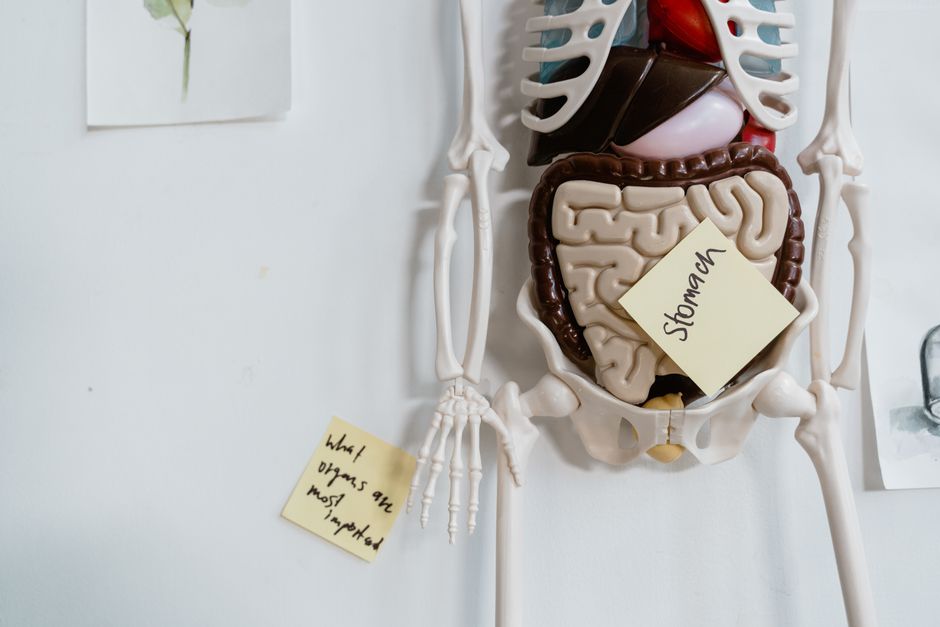
You hear a lot about gut health. Products promise to fix your digestion, boost your mood, and cure your fatigue. But the science of the gut microbiome is more grounded than the marketing suggests. Fixing your gut microbiome comes down to a few proven strategies: eating more fiber, adding fermented foods, limiting ultra-processed food, and being consistent. There is no single pill that does the job. The evidence points to your daily diet as the main driver of a healthy gut.
What Is the Gut Microbiome and Why Does It Matter?
The gut microbiome is the collection of trillions of bacteria, viruses, fungi, and other microbes living in your digestive tract. Most of them live in your large intestine. These microbes help break down food, produce certain vitamins, train your immune system, and protect against harmful bacteria.
Your microbiome is unique to you. It is shaped by your genes, your birth method, your environment, and most importantly, your diet. Research consistently shows that a diverse microbiome is linked to better health outcomes. A less diverse microbiome is associated with conditions like inflammatory bowel disease, obesity, and type 2 diabetes. That connection does not prove cause and effect. But the pattern is consistent across many studies.
The gut-brain axis is another reason people care about this. Your gut microbes produce neurotransmitters like serotonin and dopamine. Some research suggests these chemicals can influence mood and mental health. The field is still young, but the basic biology is sound.
How To Fix Your Gut Microbiome What Actually Works
The short answer is diet. Studies have found that what you eat changes your microbiome within days. That is both good news and bad news. It means you can make meaningful changes. It also means the changes disappear if you go back to your old eating habits.
The most reliable strategy is to eat more plant fiber. Fiber is the food for your gut bacteria. When bacteria ferment fiber, they produce short-chain fatty acids like butyrate. Butyrate is the main energy source for the cells lining your colon. It also helps regulate inflammation.
Most adults eat far less fiber than recommended. The general guidance is about 25 to 38 grams per day for adults. Most people eat half that amount. You can increase fiber by eating beans, lentils, whole grains, nuts, seeds, fruits, and vegetables. Do this gradually. A sudden jump in fiber can cause bloating and gas.
Variety matters as much as quantity. Different plants contain different types of fiber. Each type feeds different bacteria. Eating 30 different plant foods per week is a common target in research settings. That includes fruits, vegetables, grains, nuts, seeds, herbs, and spices. It sounds like a lot, but it is achievable with small changes.
Do Fermented Foods Help Your Gut?
Fermented foods are another evidence-backed option. Foods like yogurt, kefir, sauerkraut, kimchi, and kombucha contain live microorganisms. When you eat them regularly, these microbes can temporarily colonize your gut and add to its diversity.
A well-known clinical trial published in Cell compared a high-fiber diet to a diet rich in fermented foods. The fermented food group showed increased microbial diversity and reduced markers of inflammation. The fiber group showed changes in the types of bacteria present but not in diversity. This does not mean fiber is useless. It means fermented foods and fiber work through different mechanisms. Both are valuable.
Not all fermented foods are equal. Yogurt and kefir with live cultures are well studied. Sauerkraut and kimchi are good choices if they are unpasteurized. Pasteurization kills the live bacteria. Check the label for “live cultures” or “contains probiotics.” Some commercial products are pasteurized after fermentation, which removes the living organisms.




Are Probiotic Supplements Worth It?
Probiotic supplements are a multi-billion dollar industry. The evidence for them is more complicated than the marketing suggests. Probiotics are live bacteria that can provide health benefits when taken in adequate amounts. But the benefits are strain-specific. A probiotic that helps one condition may do nothing for another.
Some research supports probiotics for specific situations. They can help prevent antibiotic-associated diarrhea. They may reduce symptoms of irritable bowel syndrome in some people. But the evidence for general gut health in healthy people is limited. No large study has confirmed that taking a probiotic supplement meaningfully changes the microbiome of a healthy adult.
There is also the question of whether the bacteria in a supplement actually survive the journey through your stomach. Many do not. Those that survive may not stick around. Studies show that most probiotic strains pass through the gut and disappear within weeks after you stop taking them.
If you take a probiotic, choose one with a specific strain that has been studied for your concern. Look for the genus, species, and strain name on the label. A generic “probiotic blend” without strain names is less likely to be effective. And remember that food sources like yogurt and kefir are generally more affordable and deliver a wider range of microbes.
What About Prebiotics?
Prebiotics are types of fiber that feed your beneficial bacteria. They are not bacteria themselves. They are the food for the bacteria you already have. Common prebiotics include inulin, fructooligosaccharides, and galactooligosaccharides.
You can get prebiotics from food. Garlic, onions, leeks, asparagus, bananas, oats, and apples are all good sources. Some supplements also contain prebiotics, often combined with probiotics. This combination is called a synbiotic.
Evidence for prebiotic supplements is mixed. Some studies show they increase beneficial bacteria like Bifidobacterium. But the clinical benefits for healthy people are not well established. Food sources are generally safer and provide additional nutrients. If you want to increase your prebiotic intake, eating more plants is the most straightforward approach.
Foods That Harm Your Gut Microbiome
Just as some foods support your microbiome, others work against it. Ultra-processed foods are the biggest concern. These foods are high in refined sugar, artificial additives, and emulsifiers. They are low in fiber. Studies have linked high consumption of ultra-processed food to reduced microbial diversity.
Artificial sweeteners deserve special mention. Some research suggests that certain sweeteners like saccharin and sucralose can alter the gut microbiome in ways that affect blood sugar regulation. The evidence is not conclusive, and results vary between studies. But the potential link is worth noting. If you consume diet sodas or sugar-free products regularly, consider reducing them.
Antibiotics also harm the microbiome. They kill both harmful and beneficial bacteria. A single course can reduce diversity for months. This is not a reason to avoid antibiotics when you need them. They are life-saving medicines. But you should not take them for viral infections, where they do nothing. Talk to your doctor about whether antibiotics are truly necessary.
How Long Does It Take To Fix Your Gut?
There is no universal timeline. Changes in the microbiome can begin within days of changing your diet. But those changes may not be stable. Research suggests that lasting changes require consistent habits over weeks to months.
One study found that a high-fiber diet produced measurable changes in the gut microbiome within two weeks. But the full diversity benefits took longer to appear. Other research shows that the microbiome returns to its baseline state when you revert to your old diet. This means consistency is more important than intensity.
There is no test that tells you when your gut is “fixed.” Commercial microbiome testing kits exist, but their clinical value is limited. They can tell you which bacteria are present, but scientists do not yet know what the “ideal” microbiome looks like. The results are difficult to interpret and may cause unnecessary worry.
Lifestyle Factors That Affect Your Gut
Diet is not the only factor. Sleep, stress, and exercise all influence your microbiome. The evidence for each varies, but the patterns are consistent enough to mention.
Poor sleep is associated with less microbial diversity. The relationship is likely bidirectional. Your gut affects your sleep through the production of melatonin precursors. Your sleep affects your gut through stress hormones and eating patterns. Aiming for consistent, adequate sleep is reasonable advice for overall health.
Exercise also appears to support a healthy microbiome. Studies have found that physically active people have greater microbial diversity than sedentary people. The effect is not fully understood. It may be related to increased blood flow, changes in immune function, or differences in diet between active and inactive people. Regular moderate exercise is good for many reasons. Gut health may be one of them.
Chronic stress can alter the gut environment. Stress hormones can change gut motility and permeability. Some research suggests this can shift the balance of bacteria. Managing stress through mindfulness, therapy, or regular physical activity may indirectly support your gut.
Frequently Asked Questions
How long does it take to change your gut microbiome?
Changes can begin within days of changing your diet. Lasting changes require consistent habits over several weeks to months.
Is it better to eat fermented foods or take a probiotic supplement?
Fermented foods provide a wider range of microbes and additional nutrients. Probiotic supplements are strain-specific and may help with particular conditions, but the evidence for general gut health is limited.
Should I take a probiotic while on antibiotics?
Some evidence suggests probiotics can reduce the risk of antibiotic-associated diarrhea. Taking them a few hours apart from the antibiotic dose is a common approach, though the optimal timing is not well established.
Can you fix your gut microbiome without changing your diet?
No. Diet is the main driver of microbiome composition. Supplements and lifestyle changes cannot compensate for a poor diet.
Fixing your gut microbiome is not about a single miracle product. It is about consistent, evidence-based habits. Eat more plants. Eat a wide variety of them. Add fermented foods. Cut back on ultra-processed food. Get enough sleep and move your body. These changes are not flashy, but they are what the science supports.
