
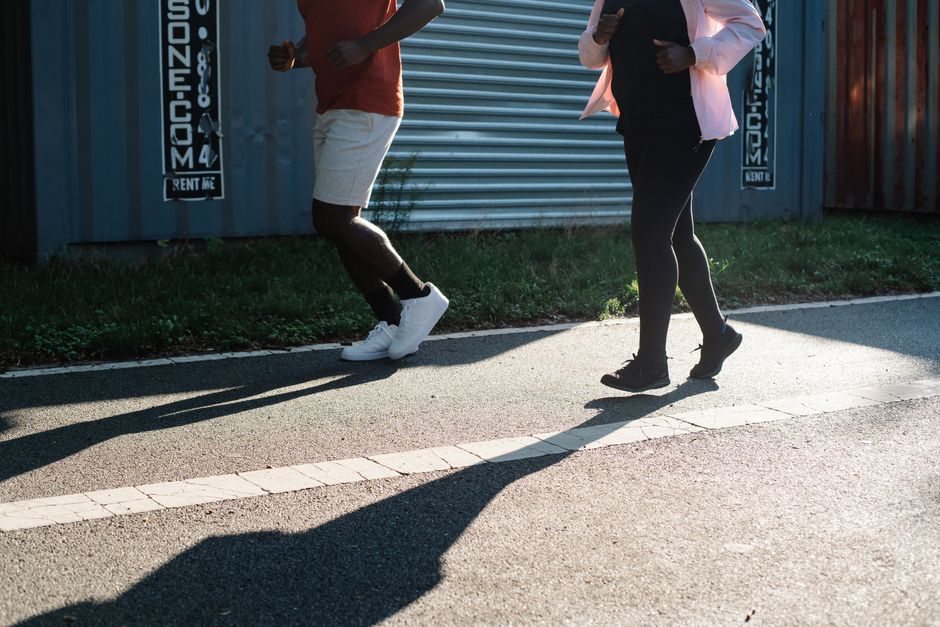
Tight calves after running are usually a load problem, not a stretching problem. The muscles at the back of your lower leg are being asked to do more than they have adapted to handle. Fixing it for good means building calf strength and load tolerance over weeks, not just pulling on the muscle for thirty seconds before a run. Stretching can feel good and has its place, but it rarely solves the underlying issue on its own.
Most runners who deal with persistent calf tightness are caught in a cycle. They stretch, get brief relief, run again, and the tightness returns. That pattern tells you something important: the muscle is not short. It is working hard and telling you it is under-prepared for what you are asking it to do.
Why Do My Calves Get Tight When I Run?
The calf is actually two main muscles working together. The gastrocnemius is the larger, more visible muscle that crosses both the ankle and the knee. The soleus sits underneath it and crosses only the ankle. Both attach to the Achilles tendon, which is the thick band you can feel above your heel.
Every time your foot lands and pushes off, these muscles absorb force and then generate force. Running multiplies the load compared to walking because of the impact and the push-off demand. When that load exceeds what the muscles and tendon have adapted to, they tighten. This is a protective response, not a sign of weakness or a muscle that needs to be stretched out.
Several things commonly drive that load beyond tolerance:
- A sudden increase in mileage or speed
- More hills or harder surfaces than usual
- Switching to a lower-drop shoe, which loads the calf and Achilles more
- Fatigue that changes your running form late in a run
- Weak calf muscles that fatigue early and tighten as a result
Here is the part many runners miss. Tightness is a sensation, not a measurement. A muscle can feel tight while being perfectly flexible, and it can feel tight because it is fatigued or because the tissue around it is irritated. That is why stretching often provides only temporary relief. You are addressing the feeling, not the cause.
Is Stretching Enough To Fix Tight Calves?
Stretching alone rarely fixes recurring calf tightness in runners. It can improve how the muscle feels in the short term, and some runners find it helpful as part of a routine. But the evidence does not support static stretching as a standalone solution for load-related tightness.
The reason is straightforward. If your calf is tight because it is being overloaded, stretching does not change the load. It temporarily changes the sensation. The muscle goes back to the same demand on the next run, and the tightness returns.
This does not mean stretching is useless. It means stretching is a small piece of a larger picture. If you enjoy a gentle calf stretch after a run, there is little harm in it. Just do not expect it to be the thing that solves the problem. The work that solves the problem happens elsewhere.
What Strength Training Actually Helps Tight Calves?
Building calf strength and load tolerance is the most reliable way to reduce recurring tightness. The calf muscles respond to progressive loading the same way other muscles do. Start with manageable load and gradually increase it over weeks.
Two exercises cover most of what you need. The first is a standing calf raise, which targets the gastrocnemius. The second is a seated calf raise, which targets the soleus because bending the knee takes the gastrocnemius out of the movement. Both matter, and many runners neglect the soleus entirely.
The principle is progressive overload. Begin with a load and repetition range you can complete with good control. Add repetitions, then add resistance, over time. Bodyweight calf raises on a step are a reasonable starting point for many runners. Heavier loading, such as with weights or single-leg variations, comes later as tolerance builds.
Some clinicians also recommend eccentric loading, where you lower slowly under control, particularly for Achilles-related issues. The evidence for eccentric work in tendon problems is reasonably established. For general calf tightness, the broader principle of consistent progressive strengthening is what matters most.
Frequency tends to matter more than intensity. Two to three sessions per week, done consistently for several weeks, is a common approach. Strength adaptations take time. Expect weeks, not days.
How Should I Change My Running To Stop The Tightness?
Adjusting your training load is often the fastest way to break the cycle. If your calves tighten on every run, the load is currently above your tolerance. The goal is to bring it back within range, then build from there.
Reduce mileage or intensity temporarily rather than stopping entirely. Complete rest often leads to a quick return of symptoms once you resume, because nothing has changed about your capacity. A short period of reduced load gives the tissue a chance to settle while you build strength.
Pay attention to the variables that increase calf demand. Hills, speed work, and lower-drop shoes all load the calf and Achilles more. If you recently changed any of these, that change is a likely contributor. Reintroduce them gradually rather than all at once.
Cadence is worth a mention. A very long stride with a heavy heel strike can increase braking forces. A slightly quicker, lighter turnover is sometimes helpful, though the evidence on cadence as a fix for calf tightness specifically is limited. Some clinicians suggest it; it is not a guaranteed solution.
When Should I Worry About Calf Tightness?
Most calf tightness is a load issue and responds to the approach above. Some symptoms warrant a medical assessment rather than more training adjustments.
Seek evaluation if you have sudden sharp pain, swelling, warmth, or redness in the calf, especially if it came on without a clear cause. These can indicate a blood clot or other condition that needs prompt medical attention and should not be managed with stretching or training changes. Calf pain that persists at rest, or that is worse with walking, also deserves a professional look.
Pain in the Achilles tendon itself, rather than the muscle belly, is a different problem. Achilles issues have their own loading approach and sometimes need specific management. A physical therapist or sports medicine clinician can distinguish between muscle tightness, tendon irritation, and other causes.
How Long Does It Take To Fix Tight Calves For Good?
Meaningful change usually takes several weeks of consistent strength work and sensible training. There is no single timeline that applies to everyone, because it depends on how long the issue has been present and how much load you are currently tolerating.
The pattern to expect is gradual. Early on, you may notice the tightness easing during runs before it eases afterward. Strength gains build over weeks. Tendon adaptation, if the Achilles is involved, tends to be slower than muscle strength gains, which is one reason patience matters.
The “for good” part comes from maintaining the strength work after symptoms settle. Runners who stop their calf strengthening once they feel better often see the tightness return when training ramps up again. A small amount of ongoing strength work, kept in the routine, is what keeps the capacity ahead of the demand.
Frequently Asked Questions
Should I stretch tight calves every day?
Daily gentle stretching is unlikely to cause harm, but it is not the main fix for load-related tightness. Strength work and sensible training load matter more for lasting change.
Can tight calves be caused by weak glutes?
Weakness elsewhere in the leg can change how load is distributed, and some clinicians consider hip strength as part of a full assessment. The direct link to calf tightness specifically is not firmly established, so it is best treated as one possible factor rather than the cause.
Is it okay to run with tight calves?
Mild tightness that eases as you warm up is generally manageable with load adjustments and strengthening. Sharp pain, swelling, or tightness that worsens during a run should prompt you to stop and get assessed.
Do compression socks help tight calves?
Some runners report that compression sleeves feel supportive during or after running. The evidence for preventing or fixing calf tightness is limited, so treat them as a comfort measure rather than a solution.
