
Sore muscles after a workout are a normal response to unfamiliar or intense exercise. The fastest way to fix them is a mix of light movement, enough sleep, adequate protein and fluids, and time. Most soreness peaks 24 to 72 hours after activity and fades on its own within a few days.
What you feel the day after a hard session is called delayed onset muscle soreness, or DOMS. It is not the same as an injury, and it is not caused by lactic acid. Lactate clears from muscle within about an hour of exercise. The soreness you feel later comes from microscopic damage to muscle fibers and the inflammation that follows as the tissue repairs itself.
What Actually Causes Sore Muscles After Exercise?
DOMS comes from mechanical stress on muscle fibers during exercise, especially movements that lengthen a muscle while it is working. Lowering a weight slowly, running downhill, or doing a new exercise all create this kind of load.
That stress causes small tears in the muscle fibers and the connective tissue around them. The body responds with a controlled inflammatory repair process. Immune cells move in, remove damaged material, and signal the tissue to rebuild stronger. The soreness you feel is part of that repair, not a sign that something went wrong.
This is why soreness is usually worst when you are new to an activity or when you increase difficulty sharply. Once your muscles adapt to a given demand, the same workout produces less soreness. That adaptation is sometimes called the repeated bout effect. It is one of the more reliable findings in exercise science.
It also explains why soreness is a poor measure of workout quality. A session that leaves you barely able to walk is not automatically better than one that leaves you mildly stiff. Soreness tracks novelty and intensity, not results.
How Long Should Sore Muscles Last?
Typical DOMS starts within 6 to 12 hours after exercise, peaks somewhere between 24 and 72 hours, and then fades. Most people are back to normal within three to five days, though this varies with how hard you pushed and how trained you are.
Soreness that keeps getting worse after the 72-hour mark is a different situation. So is pain that is sharp, one-sided, or paired with swelling, dark urine, or weakness you cannot explain. Those signs point away from ordinary DOMS and toward something that needs medical attention.
Rhabdomyolysis is the serious condition to know about. It happens when muscle breaks down fast enough that its contents leak into the bloodstream. It can follow extreme exertion, especially in heat or when someone is very untrained. Symptoms include severe muscle pain, weakness, and dark or cola-colored urine. This is a medical emergency, not a recovery problem. If you see those signs, seek care right away.
How To Fix Sore Muscles And Speed Up Recovery
No method erases soreness. What the evidence supports is managing it while your body does its repair work. Some approaches have decent research behind them. Others are popular but thin on proof.
Light movement is one of the better options. Easy walking, cycling, or swimming at low intensity increases blood flow and can reduce stiffness without adding more damage. Keep it genuinely easy. Hard training during peak soreness tends to make things worse.
Sleep is the most underrated recovery tool. Muscle repair, hormone regulation, and inflammation control all depend on it. Short sleep is linked to slower recovery and higher injury risk in athletes. If you are chasing recovery and sleeping five hours, nothing else on this list will compensate.
Protein and total calories matter for rebuilding tissue. Most active adults do well with protein spread across the day, and there is general agreement that intakes above the basic minimum support muscle repair. Fluid and electrolytes matter too, especially if you sweat heavily.
What about the popular remedies? Here is an honest look at the evidence.
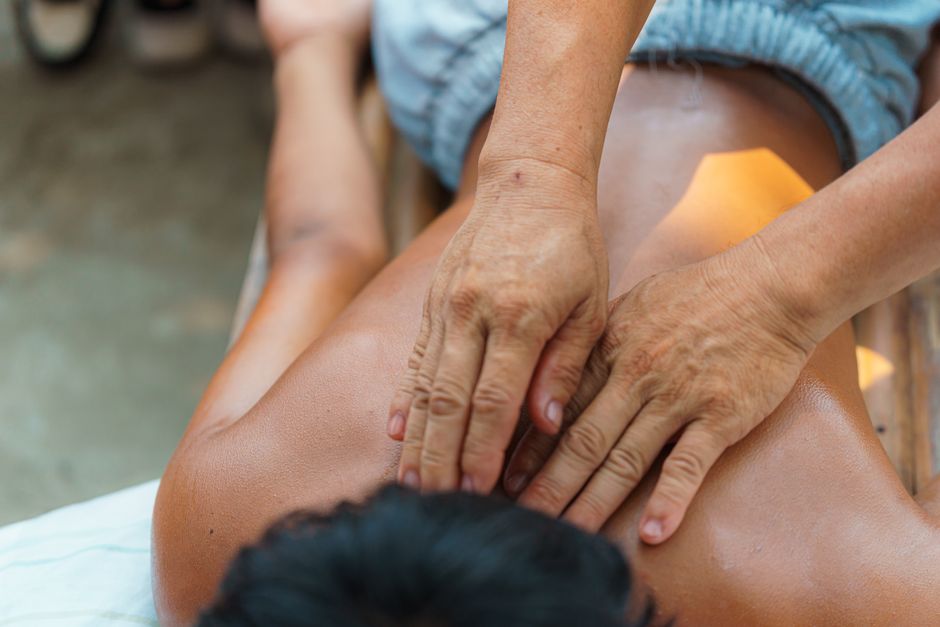
- Massage: Some studies suggest it can reduce soreness and improve how muscles feel, though effects are usually modest and short-lived.
- Cold water immersion: Ice baths can dull soreness temporarily. Evidence on whether they speed actual recovery is mixed, and some research suggests they may blunt muscle-building adaptations if used right after strength training.
- Heat: Warm baths and heating pads can ease stiffness and feel good. Evidence for faster recovery is limited.
- Foam rolling: Many people report less soreness. The research is small and mixed, but it is low risk and easy to try.
- Compression garments: Some evidence for reduced soreness, mostly short-term comfort.
- Anti-inflammatory drugs: These can reduce pain, but routine use around training is debated because inflammation is part of the repair signal. Occasional use for comfort is common; regular use is not clearly helpful.
None of these are cures. They are comfort measures. The repair happens on its own timeline.
Does Stretching Or Ice Actually Help?
Stretching before or after exercise does not prevent DOMS. That is one of the more consistent findings in the research. It may improve flexibility and feel good, but it will not stop soreness from arriving.
Ice is more nuanced. Cold reduces pain signals, so an ice pack or cold bath can make sore muscles feel better for a while. Whether that translates into faster functional recovery is where the evidence gets murky. Some studies find small benefits; others find none. For strength athletes, there is a real question about whether routine cold exposure after lifting dulls the muscle adaptations you trained for.
The practical takeaway: use ice for comfort if it helps you, but do not treat it as a recovery requirement. And do not assume that because something numbs pain, it is speeding healing.
What Makes Soreness Worse?
Jumping back into hard training while you are still very sore tends to prolong the problem. So does skipping sleep, under-eating, and staying completely still. Complete rest can actually make stiffness worse because blood flow drops.
Dehydration makes everything feel worse and impairs recovery. Alcohol is another factor. It disrupts sleep quality and adds to dehydration, both of which work against muscle repair.
There is also a mental trap worth naming. Chasing soreness as proof of a good workout leads people to train harder than they should, more often than they should. That pattern raises injury risk and can stall progress. Soreness is a signal to respect, not a score to maximize.
When Should You See A Doctor?
Ordinary DOMS does not need medical care. Certain signs do. Get evaluated if you have severe pain that worsens instead of easing, significant swelling, muscle weakness that does not improve, or dark urine after intense exercise.
You should also seek care if soreness follows a specific injury, like a sudden pop or twist, or if pain is sharp and localized to one spot rather than spread across a muscle. Those patterns suggest a strain or tear rather than routine soreness.
For most people, the answer to sore muscles is unglamorous. Move gently, sleep well, eat enough, hydrate, and give it time. The soreness is not a problem to solve. It is a process already underway.
Frequently Asked Questions
How long does soreness last after a workout?
Typical soreness peaks between 24 and 72 hours and fades within three to five days. If it keeps getting worse after 72 hours or comes with swelling or dark urine, seek medical care.
Does stretching prevent sore muscles?
No. Research consistently shows stretching does not prevent or meaningfully reduce delayed onset muscle soreness. It can still improve flexibility and feel good.
Is it okay to work out with sore muscles?
Light movement is usually fine and can ease stiffness. Hard training during peak soreness is not recommended because it adds damage while the tissue is still repairing.
Do ice baths speed up muscle recovery?
Cold water can reduce soreness temporarily, but evidence on faster functional recovery is mixed. Some research suggests routine ice baths after strength training may blunt muscle-building adaptations.
