
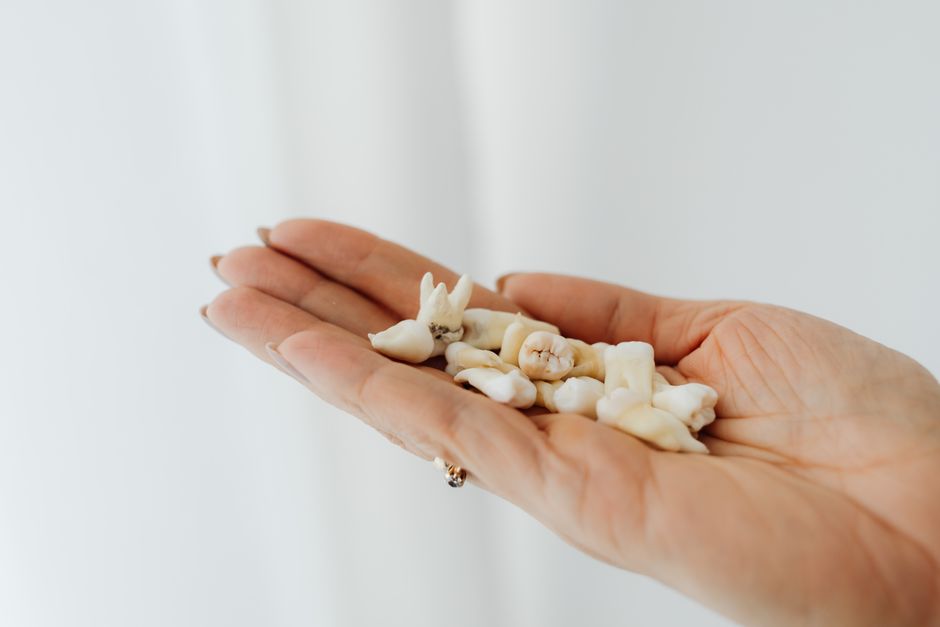
Rotten teeth can’t be reversed, but they can be repaired. A dentist removes the decayed portion of the tooth and rebuilds what’s left with a filling, a crown, or another restoration. The right fix depends on how much healthy tooth remains and how deep the decay goes. Ignoring it never works — decay keeps spreading until the tooth is lost or infection reaches the nerve.
What Does “Rotten Teeth” Actually Mean?
Tooth decay is a bacterial process. Certain bacteria in your mouth feed on sugars and starches and produce acid. That acid pulls minerals out of tooth enamel over time. Early on, this shows up as a white or chalky spot. Left alone, the enamel breaks down and a cavity forms.
Once decay moves past the enamel into dentin — the softer layer underneath — it spreads faster. If it reaches the pulp, where the nerve and blood vessels live, you get inflammation and eventually infection. That’s when a tooth can become genuinely “rotten” in the everyday sense: structurally broken down, painful, or infected.
Here’s a point worth understanding clearly. Enamel cannot grow back. Dentin has some limited ability to repair itself, but it does not regenerate lost structure. This is why dentists remove decay and replace it with a material. The tooth does not heal the way skin does.
How Does a Dentist Fix a Decayed Tooth With a Filling?
A filling is the standard repair when decay is caught before it compromises too much of the tooth. The dentist numbs the area, drills or otherwise removes the decayed tissue, cleans the cavity, and fills it with a material.
The most common filling materials are:
- Composite resin — a tooth-colored plastic and glass mixture. Widely used for visible teeth.
- Amalgam — a silver-colored alloy of mercury, silver, tin, and copper. Durable and often used on back teeth.
- Glass ionomer — releases fluoride and is sometimes used near the gum line or in children.
- Ceramic or gold — less common, generally more expensive, and typically reserved for larger restorations.
Each material has trade-offs in strength, appearance, cost, and how long it lasts. A filling is not permanent. Composite fillings often need replacement sooner than amalgam, though estimates vary by patient and by how well the filling is maintained.
If decay was deep, some dentists place a protective liner before filling. If the decay reached the pulp, a filling alone will not solve the problem — that tooth needs a root canal.
When Do You Need a Crown Instead of a Filling?
A crown covers the whole visible part of the tooth. It’s used when there isn’t enough healthy tooth left to hold a filling, or when a tooth is cracked, weakened, or has had a root canal.
The logic is structural. A filling fills a hole. A crown holds the remaining tooth together and distributes biting force across the whole surface. If too much of the tooth is gone, a large filling can actually cause the tooth to fracture under pressure.
Crowns are typically made of porcelain, ceramic, metal, or a combination. Some are made in a lab and require two visits. Others are milled in the office the same day. Most people get many years of use from a well-made crown, though no restoration lasts forever.
One thing patients often don’t realize: a crowned tooth can still decay. The crown itself doesn’t rot, but the tooth structure and the margin where the crown meets the gum can develop new decay if plaque builds up there.





What If the Decay Has Reached the Nerve?
Once decay reaches the pulp, a filling won’t fix it. The tooth needs a root canal — sometimes called endodontic treatment.
In a root canal, the dentist removes the infected or inflamed pulp, cleans and shapes the inside of the root canals, and seals them. The tooth is usually then restored with a crown, because a tooth that has had a root canal tends to be more brittle.
Root canals have a reputation for being painful. The discomfort people associate with them usually comes from the infection itself, not the procedure. When the area is properly numbed, most root canals are no more uncomfortable than getting a filling.
If a tooth is too damaged to save, extraction is the alternative. That’s usually a last resort. Keeping your natural tooth is generally preferable when it’s possible.
Can You Reverse Decay Without a Dentist?
No. Once a cavity has formed, it does not heal on its own. No toothpaste, oil, or supplement removes decay or regrows enamel.
There is one important exception, and it’s narrow. Very early decay — the white spot stage, before a true cavity forms — can sometimes be stopped or slowed by improving oral hygiene and reducing sugar. This is called remineralization. Fluoride helps this process. But this only applies before the enamel surface has broken down. Once there’s a hole, the dentist is the only fix.
Be cautious with products marketed as decay-reversing. No clinical evidence confirms that any over-the-counter product rebuilds lost tooth structure or replaces a filling. Marketing language like “supports enamel repair” does not mean it fixes a cavity.
How Do You Fix a Broken or Lost Filling or Crown?
Call a dentist. That’s the short answer. A filling or crown that has come loose or fallen out leaves the tooth exposed and vulnerable.
In the meantime, some practical steps:
- Keep the area clean and avoid chewing on that side.
- If there’s pain, an over-the-counter pain reliever may help — follow the label.
- Some dental offices sell temporary filling material you can use as a short-term cover.
- If a crown comes off and you still have it, keep it. A dentist may be able to re-cement it.
Do not try to glue a crown back on with household adhesive. That can damage the tooth and the crown.
If you have swelling in your face or jaw, fever, or difficulty swallowing or breathing, treat it as urgent. These can signal a spreading infection, which is a medical emergency. Seek care immediately.
Why Does Decay Keep Coming Back?
New decay near an existing filling or crown is common, and the reason is usually the same as the first time: bacteria, sugar, and time.
The edge where a filling or crown meets the tooth is a weak point. If that margin isn’t perfectly sealed, or if plaque collects there, decay can start underneath. This is sometimes called recurrent decay. It can be hard to see, which is one reason regular dental visits matter.
Some people are simply more prone to decay. Dry mouth, certain medications, acid reflux, and a diet high in sugar or refined carbohydrates all raise the risk. So does infrequent brushing and flossing. Genetics plays a role too, though it’s not the whole story.
Here’s where prevention does real work. Fluoride toothpaste, limiting sugary drinks and snacks, and cleaning between teeth all reduce the acid attacks that cause decay. None of this repairs existing damage, but it slows new damage and protects the restorations you already have.
How Long Do Fillings and Crowns Last?
There’s no single answer, because lifespan depends on the material, the tooth, your bite, and your habits. A well-maintained restoration can last many years. Some fillings need replacing within a few years; others last much longer.
What shortens the life of a restoration:
- Grinding or clenching your teeth
- Chewing ice, hard candy, or other hard objects
- Poor oral hygiene that allows new decay at the edges
- Skipping regular dental checkups
Your dentist can usually spot a failing filling or crown before it causes a problem. That’s the value of routine exams — catching small issues before they become big ones.
What About Missing Teeth — Are There Options Beyond Fillings and Crowns?
When a tooth can’t be saved and is removed, the gap can be filled in several ways. A dental implant replaces the tooth root and supports a crown. A bridge uses the neighboring teeth for support. A partial denture is removable.
Each has trade-offs. Implants generally preserve jawbone better than bridges, but they require surgery and adequate bone. Bridges are faster but involve shaping the adjacent teeth. Dentures are less expensive but removable and can affect comfort and speech at first.
The best choice depends on your mouth, your health, and your budget. This is a conversation to have with your dentist, not a decision to make from a website.
Frequently Asked Questions
Can rotten teeth be fixed without extraction?
Often yes. A filling, crown, or root canal can save a tooth if enough healthy structure remains. Extraction is usually only needed when the tooth is too damaged or infected to repair.
Can a decayed tooth heal on its own?
No. Once a cavity forms, the tooth cannot repair itself and needs a dentist to remove the decay. Only very early enamel damage, before a hole forms, can sometimes be slowed with good hygiene and fluoride.
How do you know if a filling needs to be replaced?
Common signs include a cracked or worn filling, a rough edge you can feel with your tongue, sensitivity, or a dark spot at the margin. Only a dentist can confirm whether it needs replacing.
Is a crown better than a filling for a badly decayed tooth?
A crown is usually recommended when too much tooth structure is gone for a filling to hold securely. For smaller cavities, a filling is typically sufficient and less invasive.
