
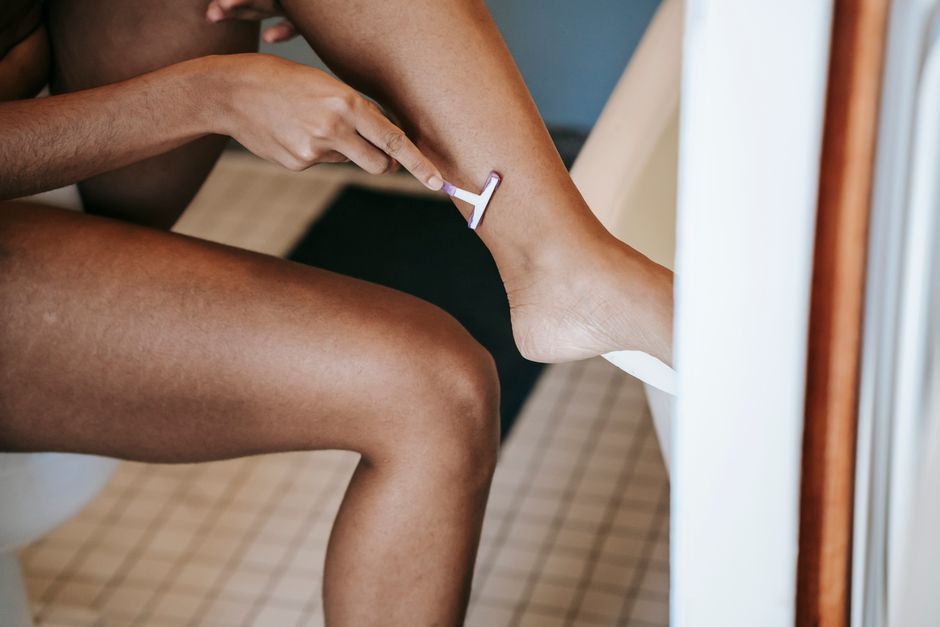
Razor bumps are irritated, inflamed hair follicles that show up after shaving, and the fastest way to calm them is to stop shaving that area for a few days, apply a warm compress, and let the skin settle. If you must shave again soon, use a sharp single-blade razor, shave in the direction the hair grows, and keep the skin lubricated. Most razor bumps improve within a few days to a couple of weeks once you stop irritating the area.
What Are Razor Bumps, Exactly?
Razor bumps are not a rash in the usual sense. They are the skin’s response to hair that has been cut too short or pulled and then curls back into the skin.
The medical name for this is pseudofolliculitis barbae. When a razor cuts a hair below the surface of the skin, the sharpened tip can curve back and pierce the follicle wall as it grows. The body treats this as an intrusion and responds with redness, swelling, and sometimes a small pus-filled bump that looks like a pimple.
This is different from razor burn. Razor burn is surface irritation from friction or a dull blade. Razor bumps happen at the follicle level and are driven by how the hair grows back.
People with tightly curled or coarse hair are more prone to razor bumps because the hair curves more easily as it regrows. But anyone can get them, especially after close shaves on the neck, jawline, bikini area, or underarms.
How To Fix Razor Bumps Fast: Steps That Actually Work
The single most effective step is to give the area a break from shaving. Every time you run a blade over an inflamed follicle, you reopen the wound and restart the healing clock.
Here is what actually helps, in order of impact:
- Stop shaving the area for at least several days. This is the one step that consistently speeds recovery.
- Apply a warm compress for a few minutes a couple of times a day. This can help reduce swelling and encourage any trapped hair to surface.
- Use a gentle cleanser and avoid scrubbing, exfoliating acids, or harsh astringents on the irritated skin.
- Try an over-the-counter hydrocortisone cream for short-term use to reduce redness and itching. It is not a cure, and it should not be used long-term without medical advice.
- Consider a topical antibiotic ointment only if a bump looks infected. Signs of infection include spreading redness, warmth, or pus that keeps growing.
What does not help: picking, squeezing, or popping the bumps. That pushes bacteria deeper and can turn a minor follicle issue into a skin infection or a scar.
If you have tried these steps for a few weeks and the bumps are not improving, or they are spreading, a doctor can offer prescription treatments. These include topical retinoids, which help clear the plugged follicle, and in some cases oral antibiotics for infected or severely inflamed areas. Some clinicians also use steroid injections for large individual bumps. These are medical treatments, not home remedies, and they require a diagnosis first.
How Should You Shave To Prevent Razor Bumps?
Prevention comes down to cutting the hair in a way that does not force it back under the skin. Most of the damage happens in the first pass of the blade.
Techniques that reduce razor bumps:
- Shave in the direction the hair grows, not against it. Shaving against the grain cuts hair below the skin surface, which is the main trigger.
- Use a sharp blade. A dull blade tugs and cuts unevenly.
- Use a single-blade or fewer-blade razor. Multi-blade razors can pull hair up and cut it shorter than a single pass would.
- Shave after a warm shower, when hair is softer and easier to cut cleanly.
- Apply a shave gel or cream and let it sit for a minute before starting.
- Rinse the blade after each stroke and use light pressure. Pressing hard does not give a closer shave, it just irritates skin.
- Do not stretch the skin tight while shaving. This lifts hair and encourages it to snap back under the surface.
For people who get razor bumps often, an electric razor or trimmer that leaves a small amount of stubble can be a better option than a close blade shave. Leaving a little length means the hair tip stays above the skin and cannot curl back in.
Some people find that chemical depilatories work better than shaving, but these can irritate sensitive skin and should be tested on a small area first. Laser hair removal is the most durable option for people with recurring, severe razor bumps, since it reduces the hair itself. It is a medical procedure and results vary by hair color, skin tone, and treatment area.





How Long Do Razor Bumps Take To Go Away?
Most razor bumps fade within a few days to two weeks if you stop irritating the area. Individual bumps that have become infected or deeply inflamed can take longer.
The timeline depends on a few things: how inflamed the follicle is, whether you keep shaving over it, and whether the hair has curled back into the skin or is simply irritated at the surface. Surface irritation clears faster. A hair that has pierced the follicle wall can take longer because the body has to break down the trapped hair.
Dark spots left behind after the bump fades are called post-inflammatory hyperpigmentation. These are not scars, but they can take weeks to months to fade, especially on darker skin tones. Sun exposure makes them darker and slower to resolve. Daily sunscreen on the area helps.
True scars from razor bumps are possible but less common. They usually come from repeated picking or from chronic, untreated inflammation over a long period.
When Should You See A Doctor About Razor Bumps?
Razor bumps are usually a nuisance, not a medical emergency. But some situations need a professional look.
See a doctor or dermatologist if:
- The bumps are spreading or getting worse despite stopping shaving.
- You see spreading redness, warmth, or increasing pain, which can signal a skin infection.
- You have large, painful lumps or cysts forming.
- The bumps are causing significant scarring or dark marks that bother you.
- You have tried prevention and over-the-counter options for several weeks with no improvement.
One important distinction: razor bumps can look similar to other skin conditions, including folliculitis caused by bacteria or fungus, acne, or an ingrown hair that has become infected. These need different treatments. A doctor can tell them apart and prescribe the right approach.
If you have a condition that affects hair growth or skin healing, such as a bleeding disorder or a history of keloid scarring, talk to a clinician before trying aggressive hair removal methods.
What Makes Razor Bumps Worse?
Several common habits make razor bumps last longer or come back faster. Avoiding them is as important as any treatment.
The biggest offenders:
- Shaving over bumps that are still healing.
- Shaving against the grain for a closer look.
- Using a dull or dirty razor. Bacteria on a blade can turn irritation into infection.
- Shaving dry or without lubrication.
- Picking or squeezing bumps.
- Using harsh scrubs or strong acids on inflamed skin.
- Wearing tight clothing that rubs the area, especially on the neck, bikini line, or underarms.
Heat and sweat can also worsen irritation in skin folds. Keeping the area clean and dry between shaves helps.
One non-obvious point: the “closer shave” most razors promise is often the exact thing causing the problem. A shave that leaves a tiny bit of stubble is not a failure. For people prone to razor bumps, it is often the fix.
Frequently Asked Questions
How do you get rid of razor bumps overnight?
You cannot fully clear razor bumps overnight, but a warm compress and a short course of over-the-counter hydrocortisone can reduce redness and swelling within a day. The bumps themselves need several days to heal.
Does shaving against the grain cause razor bumps?
Shaving against the grain is a major cause because it cuts hair below the skin surface, letting the regrowing tip curl back into the follicle. Shaving in the direction of hair growth reduces this risk.
Are razor bumps the same as ingrown hairs?
They are closely related. Razor bumps are the inflamed follicle reaction, and an ingrown hair is the hair that has curled back into the skin. The terms are often used interchangeably, but ingrown hairs can also happen without shaving.
Can I pop razor bumps like pimples?
No. Popping or squeezing pushes bacteria deeper and raises the risk of infection and scarring. Let the bump heal on its own or see a doctor if it is large and painful.
