
Poor circulation is usually a symptom, not a condition in itself. The fix depends on what is causing it. If the cause is a sedentary lifestyle, regular movement and structured exercise are the most reliable ways to improve blood flow. If the cause is a medical problem — narrowed arteries, heart failure, diabetes, or a blood vessel disorder — no lifestyle tip replaces a proper diagnosis and treatment. The most useful first step is finding out which situation you are in.
That distinction matters because circulation problems range from harmless cold hands to serious peripheral artery disease. The tips below cover what genuinely helps, what the evidence supports, and what is marketing noise.
What Actually Causes Poor Circulation?
Blood flow depends on three things: a working pump (the heart), open and flexible blood vessels, and blood that moves properly. A problem with any of these can reduce circulation.
The most common cause is atherosclerosis — a buildup of fatty plaque inside arteries that narrows them and stiffens their walls. This develops slowly over years and is driven by smoking, high blood pressure, high LDL cholesterol, diabetes, and family history. When it affects the legs, it is called peripheral artery disease (PAD).
Other causes include:
- Heart failure, where the heart cannot pump forcefully enough to move blood efficiently
- Diabetes, which damages small blood vessels over time and is a major risk factor for PAD
- Raynaud’s phenomenon, where small vessels in the fingers and toes over-constrict in response to cold or stress
- Blood vessel disorders such as vasculitis or deep vein thrombosis
- Medications — some drugs affect heart rate or blood pressure in ways that can reduce peripheral flow
- Sedentary behavior, which reduces the efficiency of the calf muscle pump that helps return blood from the legs
Cold hands and feet alone are a weak signal. Many people with cold extremities have no vascular disease at all. Symptoms that point more strongly toward a real circulation problem include leg pain that comes on with walking and eases with rest, wounds on the feet that heal slowly, or skin color changes in the toes.
How To Fix Poor Circulation With Movement and Exercise
Exercise is the most consistently supported intervention for improving circulation in people with lifestyle-related poor blood flow and in those with peripheral artery disease. The mechanism is well established: working muscles demand more oxygen, which triggers blood vessels to widen and increases the number of small vessels feeding the muscle over time.
For PAD specifically, supervised exercise therapy is a recognized treatment. Walking programs that push into mild leg discomfort and then rest are used clinically to improve walking distance and reduce symptoms. The key feature is regularity, not intensity.
What tends to work:
- Walking most days of the week, building duration gradually
- Activities that use the calf muscles, since the calf acts as a pump that pushes blood back toward the heart
- Breaking up long sitting periods — standing or moving briefly every 30 to 60 minutes helps venous return
- Leg elevation when resting, which assists blood returning from the lower legs
One non-obvious point: the calf muscle pump is a major part of how blood gets out of your legs. Sitting still for hours lets blood pool in the lower legs. Frequent short movement breaks do more for lower-leg circulation than one long workout followed by a day of sitting.
Does Diet Help Circulation?
Diet affects circulation mainly by influencing the conditions that damage blood vessels over time — high blood pressure, high cholesterol, and high blood sugar. It does not “clean” arteries or unclog plaque that is already there.
The strongest evidence supports dietary patterns rather than single foods. Eating patterns rich in vegetables, fruit, whole grains, legumes, nuts, and fish, and low in processed meat, refined carbohydrates, and excess salt, are associated with lower cardiovascular risk in large population studies. Reducing sodium intake lowers blood pressure in many people. Replacing saturated fat with unsaturated fat improves LDL cholesterol.
Be skeptical of specific “circulation-boosting” supplements and teas. No clinical evidence currently confirms that any supplement reverses poor circulation or clears arteries. Some products marketed for circulation contain ingredients with mild vasodilating effects, but the effect size and clinical relevance are not established by large human trials.
What About Smoking, Alcohol, and Other Lifestyle Factors?
Smoking is the single most modifiable cause of peripheral artery disease. It damages the lining of blood vessels, promotes plaque formation, and makes blood more likely to clot. Stopping smoking is the most powerful thing a person who smokes can do for their circulation, and the benefit begins within weeks of quitting.
Alcohol is more complicated. Heavy drinking raises blood pressure and can weaken the heart muscle over time. Light drinking has been studied for cardiovascular effects, but the evidence is mixed and no major health body recommends starting to drink for circulation.
Other factors that matter:
- Blood pressure control — sustained high pressure damages vessel walls
- Blood sugar control in people with diabetes
- Weight management, which reduces strain on the heart and vessels
- Stress and sleep — poor sleep and chronic stress are associated with higher cardiovascular risk, though the direct effect on peripheral circulation is less well defined
When Should You See a Doctor About Poor Circulation?
See a doctor if you have leg pain that comes on with walking and disappears with rest, foot wounds that heal slowly, or skin on the feet or toes that changes color or feels persistently cold on one side. These can signal peripheral artery disease or another vascular problem that needs diagnosis.
Seek emergency care for sudden symptoms: a cold, pale, painful limb, sudden loss of pulse in a limb, or sudden severe pain in a leg or arm. These can indicate an acute arterial blockage, which is a medical emergency.
Diagnosis of circulation problems typically involves a physical exam, checking pulses in the feet, and tests such as the ankle-brachial index (ABI), which compares blood pressure in the ankle to the arm. An ABI below 0.90 is generally considered abnormal and consistent with PAD. Imaging such as ultrasound may follow.
What Does Not Fix Poor Circulation?
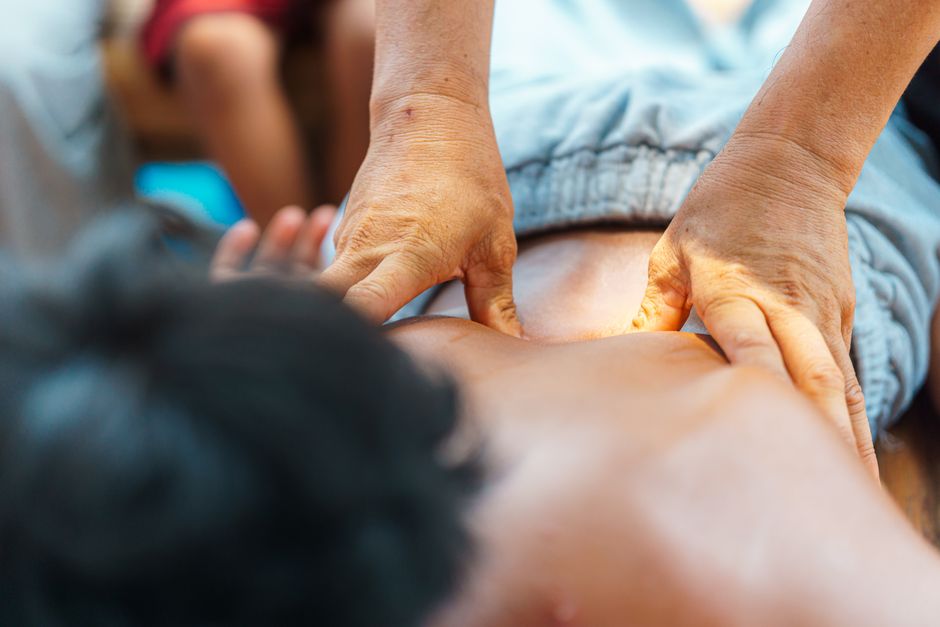
A great deal of what is marketed for circulation does not hold up. Compression socks help with venous problems — swelling and blood pooling in the legs — but they do not open narrowed arteries. Massage feels good and may temporarily increase local blood flow, but no evidence shows it treats vascular disease.
Warm baths and heating pads raise skin temperature but do not improve arterial blood flow to the tissues. In people with diabetes and reduced sensation, heat sources carry a real burn risk and should be used cautiously.
Some clinicians recommend supplements or alternative therapies for circulation, but this is common practice rather than strongly supported by clinical trials. If a product claims to “cure” poor circulation, that claim is not supported by evidence.
Frequently Asked Questions
Can poor circulation be fixed permanently?
It depends on the cause. Circulation problems driven by lifestyle factors often improve substantially with exercise, diet, and stopping smoking, but artery disease that has already developed is managed rather than reversed. Medical treatment can slow progression and reduce symptoms.
What is the fastest way to improve blood circulation?
Regular movement is the most reliable short-term step — walking and frequent breaks from sitting improve blood flow within days. Long-term improvement depends on addressing the underlying cause, such as smoking, high blood pressure, or diabetes.
Do compression socks help poor circulation?
Compression socks help with venous problems like swelling and blood pooling in the legs. They do not treat narrowed arteries, so they are not a solution for peripheral artery disease.
Can poor circulation be a sign of something serious?
Yes. Leg pain with walking, slow-healing foot wounds, and sudden cold or pale limbs can indicate peripheral artery disease or an acute blockage. Sudden limb symptoms need emergency care.
