
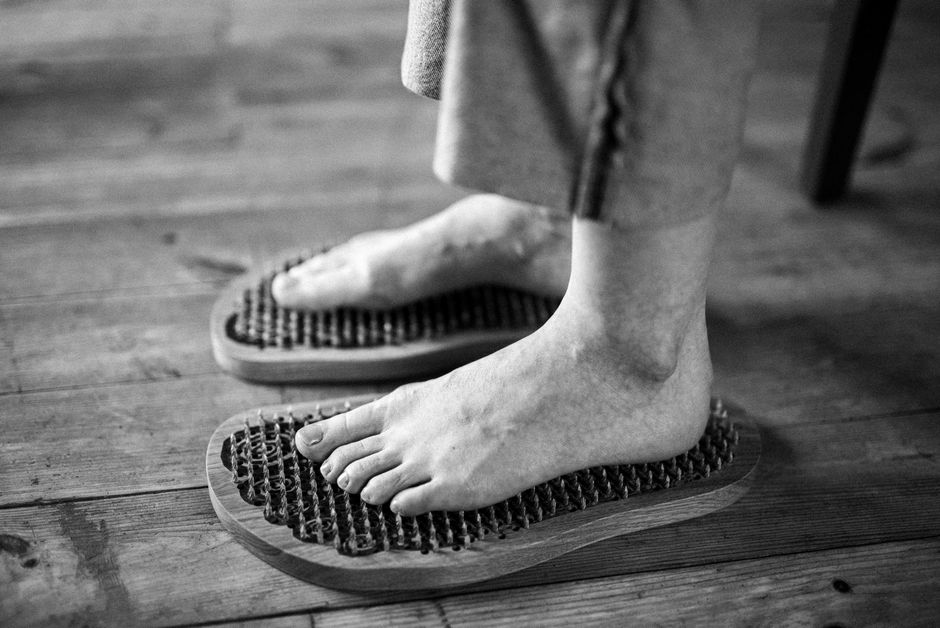
Poor circulation in your feet can cause cold toes, numbness, tingling, and leg cramps that disrupt your sleep and daily life. The fix depends entirely on the underlying cause, which ranges from simple inactivity to serious conditions like peripheral artery disease (PAD). For most people, daily movement, leg elevation, proper footwear, and quitting smoking are the first effective steps. However, if you have diabetes or persistent symptoms, you need a medical evaluation before trying any home remedies.
What Actually Causes Poor Circulation in the Feet?
Blood reaches your feet through arteries and returns to your heart through veins. Circulation fails when either system stops working well. Arteries carry oxygen-rich blood away from the heart. When they narrow due to plaque buildup, a condition called peripheral artery disease, your feet get less oxygen. Veins carry blood back up against gravity. When vein valves weaken, blood pools in the lower legs, a condition called chronic venous insufficiency.
Diabetes is a major player here too. High blood sugar damages the small blood vessels and nerves over time. This reduces blood flow and also blunts the pain signals that would normally tell you something is wrong. Some medications, including certain blood pressure drugs and beta-blockers, can also reduce circulation to the extremities as a side effect.
Lifestyle factors matter as well. Sitting for hours without moving allows blood to pool in the lower legs. Smoking constricts blood vessels and accelerates arterial damage. Being overweight increases the workload on your heart and compresses veins. Even simple dehydration thickens your blood slightly, making it harder to push through narrow vessels.
How To Fix Poor Circulation In Your Feet: The First Steps
The most effective fixes target the cause, not just the symptom. If your circulation problem stems from a sedentary lifestyle, movement is your primary medicine. Walking for even short periods activates the calf muscles, which act as a secondary pump for venous blood. When you walk, these muscles squeeze the deep veins in your calves and push blood upward toward your heart.
Leg elevation is another immediate measure. When you lie down and raise your feet above heart level, gravity works in your favor. This helps venous return and reduces swelling. Aim for 15 to 20 minutes a few times daily if you have noticeable swelling or heaviness in your legs.
Compression socks are a common recommendation for venous insufficiency. They apply graduated pressure — tightest at the ankle and looser higher up — which helps push blood out of the superficial veins and into the deep venous system. These are not appropriate for everyone. If you have arterial disease, compression can actually reduce blood flow further and cause harm. A doctor should determine which type of circulation problem you have before you use compression.
Movement Strategies That Improve Blood Flow
Exercise is the closest thing to a proven treatment for poor circulation in the lower legs. The key is consistency and choosing activities that work for your current fitness level. Walking is the simplest option. If walking triggers leg pain, that is a warning sign that may indicate PAD and requires medical evaluation first.
Calf raises are a targeted exercise you can do anywhere. Stand with your feet flat, rise onto your toes, hold briefly, then lower. This contracts the calf muscles directly and stimulates venous return. Ankle pumps work similarly. While sitting or lying down, point your toes away from you, then pull them toward you. Repeat this rhythmically for several minutes.
If you sit at a desk all day, take a movement break every hour. Even two minutes of walking or marching in place prevents blood from pooling. Some research suggests that regular exercise can improve walking distance in people with PAD, though structured programs like supervised walking therapy show the strongest results. The general principle is simple: your muscles need movement to help push blood back to your heart.


Diet and Hydration: What the Evidence Shows
No single food will cure poor circulation, but diet influences the health of your blood vessels over time. A diet high in saturated fats and refined carbohydrates contributes to arterial plaque buildup. A diet rich in vegetables, whole grains, and fatty fish supports vascular health. Omega-3 fatty acids found in fish like salmon and mackerel have anti-inflammatory properties, though their direct effect on peripheral circulation is not firmly established.
Hydration matters more than most people realize. Dehydration reduces blood volume, making the blood thicker and harder to pump through small vessels. Adequate fluid intake helps maintain normal blood viscosity. Water is the best choice. Sugary drinks add calories without meaningful benefit.
Certain foods may have mild vasodilating effects. Dark chocolate contains flavanols that can temporarily widen blood vessels. Some studies show modest improvements in blood flow after consuming high-flavanol cocoa. Spicy foods containing capsaicin may also promote temporary vasodilation. These effects are short-lived and should not be treated as therapy for a diagnosed circulation disorder.
When Home Remedies Are Not Enough
You should see a doctor if your symptoms are persistent, worsening, or accompanied by other warning signs. Leg pain that occurs with walking and resolves with rest is a classic symptom of PAD. Cold feet that never warm up, skin color changes, or sores that do not heal require prompt medical attention. Numbness or tingling that spreads could indicate nerve damage rather than circulation problems.
A doctor can perform an ankle-brachial index test, which compares blood pressure in your ankle to blood pressure in your arm. This simple test helps diagnose PAD. They may also order an ultrasound to visualize blood flow through your leg arteries and veins. Blood tests can check for diabetes, high cholesterol, and other conditions that contribute to vascular disease.
If you have diabetes, foot care becomes critical. Reduced blood flow combined with reduced sensation means minor injuries can become serious infections without you noticing. Inspect your feet daily for cuts, blisters, or red spots. Keep your feet clean and moisturized. Trim toenails carefully. Never use heating pads or hot water bottles on numb feet, as you may not feel burns until significant damage occurs.
Medical Treatments for Diagnosed Circulation Problems
For people diagnosed with PAD, treatment usually starts with lifestyle changes and medication. Doctors may prescribe antiplatelet drugs like aspirin or clopidogrel to reduce clot risk. Statins are commonly prescribed even if cholesterol levels are only mildly elevated, because they stabilize arterial plaque. Medications like cilostazol can improve walking distance in some people with PAD.
Severe PAD may require procedures to restore blood flow. Angioplasty uses a small balloon to widen a narrowed artery, often with a stent placed to keep it open. Bypass surgery creates a detour around a blocked artery using a vein from another part of your body. These procedures are reserved for significant blockages that limit daily activities or threaten limb viability.
For chronic venous insufficiency, treatment focuses on improving venous return. Compression therapy is the cornerstone. In more advanced cases, procedures like endovenous ablation use heat or laser to close off incompetent veins. Sclerotherapy injects a solution into damaged veins to make them collapse and fade. These treatments address the underlying vein problem rather than just the symptoms.
Lifestyle Changes That Protect Your Feet Long Term
Quitting smoking is the single most impactful change for anyone with circulation problems. Smoking damages the inner lining of blood vessels, promotes plaque formation, and causes vasoconstriction. The effects are cumulative, meaning the damage builds over years. Some research indicates that smoking cessation improves walking distance in people with PAD, though damaged vessels do not fully recover.
Weight management reduces the mechanical burden on your legs. Excess abdominal weight increases pressure on the veins in your pelvis, making it harder for blood to return from your legs. Losing even a modest amount of weight can reduce symptoms of venous insufficiency. Regular exercise and dietary changes work together here.
Footwear also plays a role. Shoes that are too tight restrict blood flow. Shoes that are too loose can cause friction and blisters, especially in feet with reduced sensation. Choose shoes with a wide toe box and good arch support. Avoid sitting with your legs crossed for extended periods, as this compresses the veins behind your knees. Avoid tight socks or elastic bands that leave marks on your skin.
Frequently Asked Questions
Are cold feet always a sign of poor circulation?
No. Cold feet can result from a normal response to cold environments or from conditions like anemia or thyroid dysfunction. Persistent coldness along with color changes, numbness, or pain warrants a medical evaluation.
Can poor circulation in the feet be reversed?
Arterial damage from plaque buildup is not fully reversible, but symptoms can improve significantly with exercise, smoking cessation, and medications. Venous insufficiency can be managed effectively with compression and sometimes corrected with procedures.
How do I know if my leg pain is from circulation problems?
Pain that comes on with walking and eases when you stop is characteristic of peripheral artery disease. Pain that worsens at night or when lying down can also indicate circulation issues. A doctor can confirm the cause with an ankle-brachial index test.
Are compression socks safe for everyone with poor circulation?
No. Compression socks help with venous insufficiency but can be harmful if you have arterial disease. A medical evaluation is necessary before using compression to determine which type of circulation problem you have.
