
Pelvic floor dysfunction is a broad term for problems that arise when the muscles and connective tissue supporting your bladder, bowel, and uterus stop working the way they should. The most effective first-line treatment is supervised pelvic floor physical therapy, which uses muscle training, biofeedback, and behavioral changes to restore function. Surgery and medications exist for specific cases, but they are usually not the starting point. Below is what the evidence actually supports, and where it is thin.
What Is Pelvic Floor Dysfunction?
Your pelvic floor is a hammock of muscle and connective tissue that stretches from your pubic bone to your tailbone. It holds up your pelvic organs, helps control urination and bowel movements, and plays a role in sexual function. When these muscles become too weak, too tight, or poorly coordinated, that hammock stops doing its job.
Dysfunction can show up in different ways. Some people leak urine when they cough, sneeze, or exercise. Others feel a heavy or dragging sensation. Some have trouble emptying their bladder or bowels. Others have pain during sex or chronic pelvic pain. The same underlying label can produce very different symptoms, which is why treatment is not one-size-fits-all.
Two broad patterns exist, and they need opposite approaches. A weak pelvic floor often causes leaking and organ descent. A tight or overactive pelvic floor can cause pain, difficulty urinating, and constipation. Kegels help the first pattern. They can make the second worse. This distinction matters more than most people realize.
What Causes Pelvic Floor Problems?
Several factors can weaken or disrupt the pelvic floor. Pregnancy and vaginal childbirth are among the most common, but they are not the only causes. Chronic straining from constipation, persistent heavy lifting, and a long-standing cough all put repeated pressure on the muscles. Aging and the drop in estrogen after menopause affect tissue strength. Being overweight adds ongoing load. Pelvic surgery, including prostate surgery in men and hysterectomy in women, can also contribute.
In men, pelvic floor dysfunction often appears after prostate surgery or with chronic pelvic pain. In women, it commonly follows childbirth or menopause. But plenty of people develop symptoms with none of these risk factors, which tells us our understanding of causes is incomplete.
It is worth separating cause from trigger. A difficult delivery may start the problem, but habits like holding your breath during lifting or ignoring the urge to go can keep it going. That is why treatment usually targets both the original issue and the daily patterns around it.
How To Fix Pelvic Floor Dysfunction Treatments That Work?
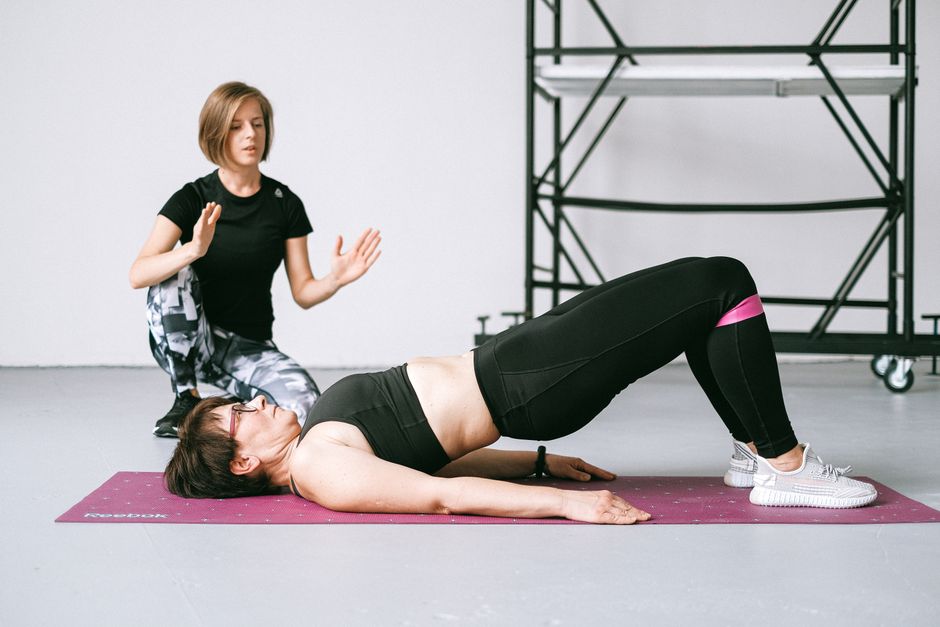
The strongest evidence supports pelvic floor muscle training guided by a trained physical therapist. This is not the same as doing Kegels from a pamphlet. A therapist assesses whether your muscles are weak, tight, or uncoordinated, then builds a program around what you actually need.
For stress incontinence — leaking with coughing, sneezing, or exercise — supervised training has the most consistent support. Research consistently shows that a structured program done correctly over several weeks reduces leakage for many people. The key word is correctly. A large share of people doing Kegels on their own perform them wrong, often bearing down instead of squeezing and lifting.
Biofeedback is often used alongside training. It uses sensors to show you what your muscles are doing in real time. Some studies suggest it improves results, particularly for people who struggle to identify the right muscles. The evidence is not unanimous, but many clinicians find it helpful.
Other approaches with reasonable support include:
- Bladder training — gradually extending the time between bathroom trips to reduce urgency and frequency.
- Weight management — reducing excess weight lowers pressure on the pelvic floor and can improve leakage.
- Treating constipation — softening stool and reducing straining removes a major ongoing strain on the muscles.
- Pessaries — a silicone device inserted into the vagina to support pelvic organs. These help symptoms but do not fix the underlying muscles.
For people with a tight or overactive pelvic floor, the approach flips. Treatment focuses on relaxation, stretching, and down-training rather than strengthening. This is where self-directed Kegels can backfire.





Do Kegels Actually Work?
Kegels work when they are the right exercise for your specific problem and when they are done correctly. They are not a universal fix, and the evidence does not support using them blindly for every pelvic issue.
For stress incontinence and mild pelvic organ prolapse, pelvic floor muscle training — of which Kegels are the core — has solid support. For urge incontinence, the evidence is more mixed, though training is still commonly recommended alongside bladder training. For pelvic pain or a tight pelvic floor, Kegels can worsen symptoms.
The honest position is this: Kegels are a tool, not a cure. Whether they help depends on what is actually wrong. Getting assessed first is what separates a program that works from months of effort that goes nowhere.
When Are Medical or Surgical Treatments Considered?
Surgery and medications are options when conservative treatment has not done enough, or when the problem is severe. They are generally not first-line for most people.
For urinary symptoms, medications can relax the bladder muscle or reduce urgency. These treat symptoms rather than the pelvic floor itself, and they come with side effects. For pelvic organ prolapse, surgery can repair or support the structures, but recurrence is possible and repeat surgery is not uncommon.
Other options include:
- Vaginal estrogen — for postmenopausal women, this can improve tissue health and urinary symptoms. It is applied locally and prescribed by a clinician.
- Electrical stimulation — used in some clinics to help retrain muscles, particularly when voluntary control is poor.
- Bulking injections — for stress incontinence, material is injected near the urethra to improve closure. Results vary.
- Nerve stimulation — devices that modulate the nerves controlling bladder and bowel function.
Each of these has a place, but none replaces the foundation of muscle training and behavioral change for most people. Surgery in particular is worth weighing carefully, because outcomes differ and the evidence does not support it as a routine first step.
What Can You Do Day to Day?
Daily habits shape how your pelvic floor behaves. Some changes are well established, others less so. The ones below rest on reasonable evidence or sound physiology.
Avoid straining on the toilet. If you are pushing hard or spending long stretches sitting there, your pelvic floor takes the load. Getting enough fiber and fluid to keep stools soft reduces that strain. Do not ignore the urge to go — holding it repeatedly can worsen urgency over time.
Watch how you lift. Breathe out as you lift rather than holding your breath and bearing down. This reduces downward pressure on the pelvic floor. If you lift heavy weights regularly, learning proper technique matters.
Stay active, but choose wisely during a flare. High-impact exercise can aggravate leaking for some people. Low-impact options like walking and swimming are generally gentler. If a specific activity consistently causes symptoms, that is worth mentioning to a clinician or therapist.
One point that gets oversold: there is no strong evidence that any single supplement, tea, or device fixes pelvic floor dysfunction on its own. Be cautious of products promising a cure. The core treatment is muscle retraining with professional guidance, and that is where your effort pays off most.
When Should You See a Professional?
See a clinician if symptoms affect your daily life, if you leak regularly, if you feel heaviness or a bulge, or if you have pain. These are signs worth evaluating rather than managing alone.
Pelvic floor physical therapists are the specialists for this. They assess muscle function directly, which is something no app or online quiz can do. If your symptoms do not improve with self-directed exercises after a reasonable trial, that is a strong signal to get assessed. Many people spend months doing the wrong exercises because they never had the right evaluation.
Red flags that need prompt attention include blood in your urine or stool, sudden changes in bladder or bowel control, or new pelvic pain. These can point to other conditions that need their own workup. Do not assume everything is a pelvic floor issue.
Frequently Asked Questions
Can pelvic floor dysfunction be fixed without surgery?
Yes, most people improve with supervised pelvic floor physical therapy, behavioral changes, and lifestyle adjustments, without surgery. Surgery is typically reserved for cases where conservative treatment has not done enough.
How long does it take for pelvic floor therapy to work?
Many people notice improvement within several weeks of consistent, correctly performed training, though full results often take longer. The timeline varies widely depending on the cause and how faithfully the program is followed.
Are Kegels bad for everyone?
No, but they are not right for everyone. Kegels help a weak pelvic floor, but they can worsen symptoms for people whose pelvic floor is tight or overactive.
Do I need a referral to see a pelvic floor physical therapist?
In many US states you can see a physical therapist directly without a physician referral, though some insurers require one for coverage. Checking with your insurance plan before booking is the simplest way to avoid surprises.
