
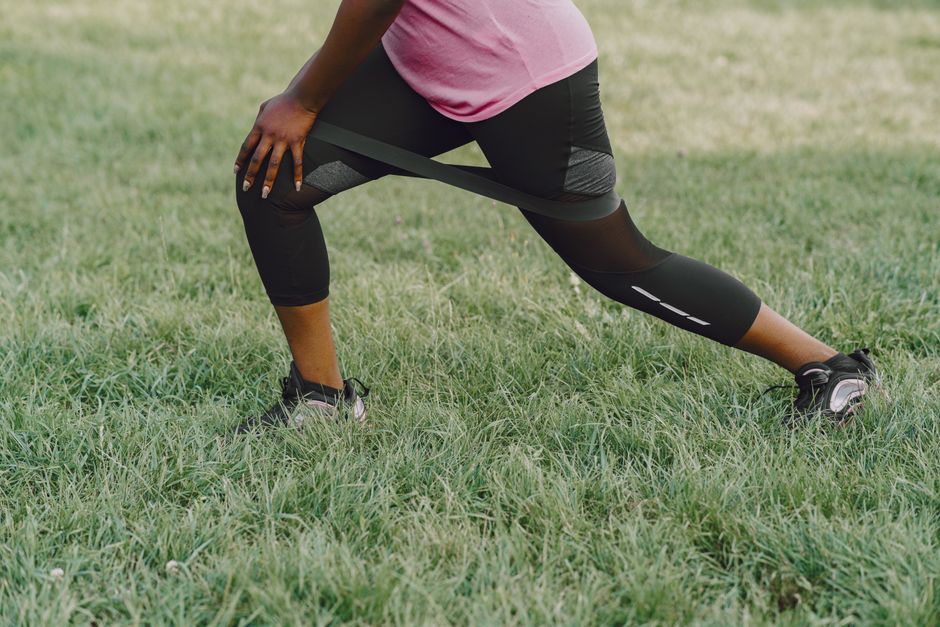
A leg muscle imbalance means one side is stronger, larger, or more dominant than the other. It develops from habits like always leading with the same leg, favoring one side after injury, or training one limb harder without realizing it. Fixing it comes down to three things: single-leg strength work, correcting your movement patterns, and giving the weaker side more total training volume until both sides match.
What Causes a Muscle Imbalance in the Legs?
Muscle imbalances in the legs usually develop slowly. They rarely appear overnight. Most people build them through thousands of small, repeated choices that favor one side.
Dominance is the most common driver. Most people have a dominant leg the same way they have a dominant hand. If you consistently push off that leg first, step up with it, or shift your weight onto it when standing, that side gets more work over time. The difference is small day to day. Over years, it adds up.
Injury is the second major cause. After a sprain, strain, or knee injury, the affected leg often loses strength and control. If you return to normal activity without rebuilding that strength, the other leg quietly takes over. This pattern is well documented in rehabilitation research. The injured side may look fine functionally but test weaker on single-leg tasks.
Training style matters too. Bilateral exercises like squats and leg press let the stronger leg do more of the work. If you never train one leg at a time, a strength gap can hide for years. You will not notice it until you try a single-leg movement and one side feels unstable or much harder.
Other contributing factors include:
- Always carrying a bag or child on the same side
- Sitting with one leg crossed over the other for long periods
- Running on the same cambered road surface repeatedly
- Favoring one leg due to hip, ankle, or foot stiffness
- Previous surgery that changed how you move
Some asymmetry is normal. Research on strength testing consistently shows that small left-right differences exist in most healthy people. The question is not whether you have a difference. It is whether that difference affects how you move or causes pain.
How Do You Know If You Have a Leg Muscle Imbalance?
You can test for a leg imbalance at home with a few simple movements. None of these are diagnostic, but they can reveal obvious differences worth addressing.
Try a single-leg sit-to-stand from a standard chair. Cross your arms, lift one foot off the ground, and stand up using only the other leg. Then switch sides. If one side struggles significantly more, or you cannot do it at all on one side, that is a meaningful gap.
Single-leg balance is another useful check. Stand on one foot with your eyes open. A normal result is roughly 30 seconds or more for most healthy adults, though this varies with age and training background. A large difference between sides is more informative than the absolute number.
You can also watch yourself in a mirror during a bodyweight squat or step-up. Look for one hip dropping, one knee caving inward, or your torso shifting to one side. These compensations often point to a strength or control difference.
Signs that a leg imbalance may be affecting you include:
- One leg consistently feels weaker during exercise
- One calf or thigh looks visibly smaller
- You feel unstable on one leg but not the other
- Knee, hip, or lower back pain that appears on one side only
- Running gait feels uneven or one shoe wears down faster
If you have persistent one-sided pain, numbness, or a recent injury, see a physician or physical therapist before self-treating. A clinical assessment can distinguish a simple strength gap from something that needs medical care.
How To Fix Muscle Imbalance In Legs: Exercises That Work
Single-leg exercises are the foundation of fixing a leg imbalance. They force each leg to do its own work. Unlike squats or leg press, they do not allow the stronger side to compensate.
The principle is straightforward. Train both legs, but give the weaker side more attention. Start every single-leg set with the weaker leg. Match the stronger leg to whatever the weaker leg can do — same reps, same weight, same range of motion. Do not let the strong side set the pace.
Here are exercises that work well for this purpose:
- Split squats and Bulgarian split squats — excellent for quad and glute strength on each side independently
- Single-leg Romanian deadlifts — targets hamstrings, glutes, and balance
- Step-ups — functional and easy to load progressively
- Single-leg press — allows heavier loading while isolating each leg
- Single-leg calf raises — often reveals calf imbalances people did not know they had
- Single-leg glute bridges — good for hip strength and control
Start with bodyweight or light resistance. Focus on controlled movement, not speed. The goal is to build strength and control on the weaker side, not to exhaust yourself.
Two to three sets per exercise, two to three times per week, is a reasonable starting point for most people. Progress by adding resistance or reps when the weaker leg can handle it with good form. There is no universal timeline for how long it takes to correct an imbalance. Some people notice improvement in a few weeks. More established differences can take months.
Why Single-Leg Training Beats Bilateral Training for Imbalances
Bilateral exercises have a built-in problem. When both legs work together, the stronger one naturally contributes more. You can complete the set and feel like both legs worked equally, but the stronger side did more of the work. Over time, this maintains or widens the gap.
Single-leg training removes that option. Each leg has to produce the force on its own. This makes weaknesses obvious and forces the weaker side to adapt. It is one of the clearest examples in exercise science where the training method directly addresses the problem.
This does not mean you should abandon squats and deadlifts. They are valuable for overall strength. But if your goal is to close a specific left-right gap, single-leg work should be the priority until the difference shrinks.





How Long Does It Take to Fix a Leg Imbalance?
There is no fixed timeline. The honest answer is that it depends on how long the imbalance has existed, how large it is, and how consistently you train.
Small imbalances in otherwise healthy people often respond within several weeks of focused single-leg training. Larger gaps, especially those following injury or years of compensation, typically take longer. Some research on strength asymmetry after injury suggests that meaningful changes can take several months of consistent work.
Consistency matters more than intensity. Two or three focused sessions per week, maintained over time, will do more than occasional hard efforts. The weaker side needs repeated exposure to build strength and motor control.
It also helps to address the habits that created the imbalance. If you always lead with the same leg going up stairs or always carry weight on one side, those patterns will keep reinforcing the gap. Awareness of daily habits is part of the fix, not separate from it.
When Should You See a Professional?
Some leg imbalances need more than a training program. See a physician or physical therapist if you have:
- Pain that is persistent, sharp, or getting worse
- Numbness, tingling, or weakness that came on suddenly
- A recent injury that has not been properly assessed
- A visible size difference that developed quickly
- Difficulty walking or bearing weight on one leg
A physical therapist can assess strength, range of motion, and movement quality in detail. They can also identify whether the imbalance is coming from the leg itself or from the hip, pelvis, or lower back. Sometimes what looks like a leg strength problem is actually a control or mobility issue somewhere else in the chain.
For most healthy people with a mild to moderate imbalance and no pain, a structured single-leg training program is a reasonable first step. If progress stalls after a few months of consistent work, professional assessment is worth considering.
Frequently Asked Questions
Can you fix a leg muscle imbalance without equipment?
Yes. Bodyweight single-leg exercises like split squats, step-ups, single-leg glute bridges, and single-leg balance work can improve strength and control. Adding resistance helps once bodyweight becomes easy.
Should you train the weaker leg more often than the stronger leg?
A common approach is to train both legs in the same session but start with the weaker leg and match the stronger leg to its output. Some people add one extra set for the weaker side, though the evidence for this specific strategy is limited.
Is it normal to have one leg stronger than the other?
Yes. Most healthy people have some left-right strength difference. It only becomes a concern when the gap is large, affects how you move, or causes pain.
Can a leg imbalance cause knee or back pain?
It can contribute to one-sided knee, hip, or lower back pain, though pain usually has more than one cause. A strength or control difference is one factor among several that a clinician would assess.
