
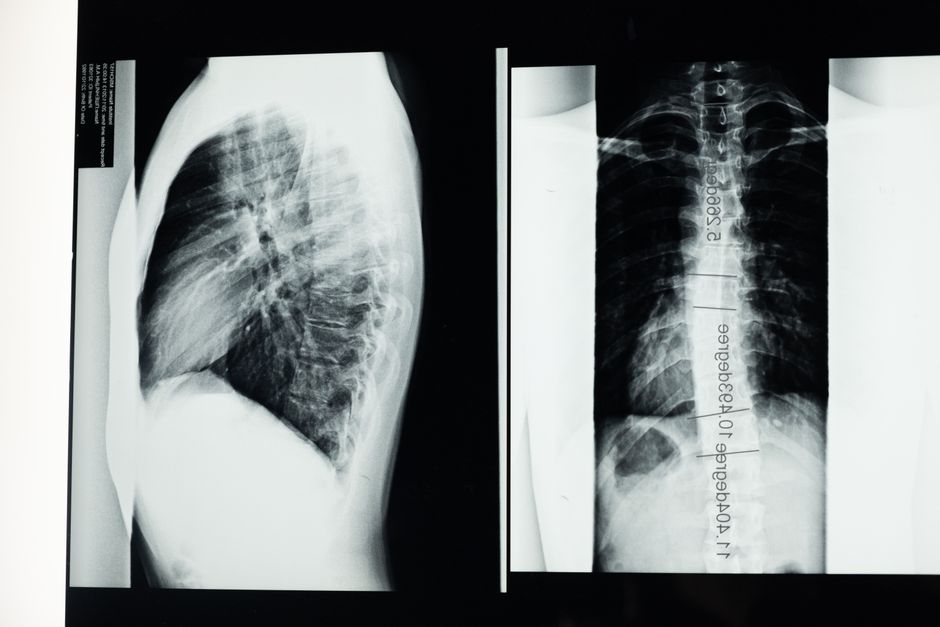
Lumbar lordosis is the natural inward curve of your lower back. It is not a flaw to erase. The curve helps your spine absorb load and keeps your head balanced over your hips. “Fixing” it usually means addressing an excessive curve, called hyperlordosis, when it causes pain or is linked to a postural or structural cause. The right approach depends on why the curve is exaggerated. For many people, targeted exercise and posture changes help. For others, the curve comes from something exercise cannot change, and that needs a proper diagnosis first.
What Is Lumbar Lordosis and When Is It a Problem?
Everybody has a lumbar curve. The lower back naturally bends inward, and that bend is part of how a healthy spine works. A normal lumbar lordosis is a gentle curve, not a straight line. When people talk about “fixing” it, they usually mean an excessive curve, where the lower back arches more than it should.
An exaggerated curve can show up as a noticeable sway in the lower back, the belly pushing forward, and the buttocks sticking out. Sometimes it causes aching in the lower back, especially after standing for a while. Sometimes it causes no symptoms at all.
Here is the part that often gets missed. An excessive lumbar curve is a sign, not a diagnosis on its own. It can come from posture habits, from weak or tight muscles, from pregnancy, from extra weight around the belly, or from a structural issue in the spine or hip. The curve looks similar on the outside but the cause can be very different. That is why a single exercise routine does not work for everyone.
There is no universal cutoff for what counts as “too much” curve. Clinicians assess it in context, along with your symptoms, movement, and history. A number on its own does not tell the whole story.
How To Fix Lumbar Lordosis: What Actually Helps
The most effective approach targets the cause. When the curve is driven by posture and muscle balance, the evidence supports exercise and movement-based strategies. When it is driven by a structural problem, exercise may help symptoms but will not change the shape of the spine.
For posture-related cases, physical therapy is the mainstay. A physical therapist can assess which muscles are tight, which are weak, and build a plan around your specific pattern. Research on exercise for low back posture generally supports a combined approach rather than a single stretch or exercise.
What that combined approach usually includes:
- Strengthening the core. The deep abdominal and trunk muscles help control the position of the pelvis and lower back.
- Strengthening the glutes. The hip muscles influence how the pelvis tilts, which directly affects the lumbar curve.
- Stretching tight structures. The hip flexors at the front of the hip and the lower back muscles themselves are common targets.
- Learning to control pelvic tilt. Practicing a gentle posterior pelvic tilt, tilting the pelvis so the lower back flattens slightly, helps you feel and control the position.
This is not a quick fix. Muscle and movement patterns change over weeks to months of consistent practice, not days. Anyone promising a fast correction is overselling.
It also helps to look at daily habits. Prolonged standing with the belly relaxed and the lower back arched reinforces the pattern. So does sitting slumped and then standing with an exaggerated arch. Paying attention to how you hold your pelvis during the day matters as much as the exercises.
What Causes an Excessive Lumbar Curve?
The causes fall into two broad groups: things you can influence and things you cannot. Knowing which group you are in changes everything about the plan.
Causes you can influence include weak core and glute muscles, tight hip flexors, prolonged sitting, and carrying extra weight around the abdomen, which pulls the pelvis forward. Pregnancy also shifts the center of gravity and increases the curve, though this usually settles after delivery.
Causes you cannot change with exercise include structural conditions of the spine and hip. One example is a hip that does not extend fully, which forces the lower back to arch more to compensate. Another is a spinal condition present from birth or development. These need a proper medical assessment, not a workout video.
Some people have a curve that looks significant but causes no pain and no functional problem. In that case, the honest answer is that there may be nothing to fix. Treating a curve that is not causing harm can create problems where none existed.





Can Posture and Exercise Really Change the Curve?
Exercise can change how you control your posture and can reduce pain. Whether it permanently changes the actual shape of the spine is a different question, and the evidence there is more limited.
Muscles and movement habits are flexible. The bony structure of the spine is not. Exercise can improve your ability to hold a better position and can strengthen the muscles that support it. Some studies suggest posture and muscle training can reduce an excessive curve and related pain, but results vary and the quality of evidence is not uniform across all studies.
What is well established is that exercise helps low back pain in general and improves function. That benefit is real even when the curve itself does not dramatically change. If your goal is less pain and better movement, exercise is a reasonable path. If your goal is a measurable change in spinal shape, set expectations with a clinician who can assess you.
When Should You See a Doctor or Physical Therapist?
See a clinician if the curve comes with pain that does not settle, numbness, tingling, or weakness in the legs, or if the curve is clearly worsening over time. These can point to something that needs proper evaluation.
Get assessed promptly if you notice any of the following:
- Back pain that wakes you at night or does not improve with rest
- Weakness, numbness, or changes in how your legs feel
- Difficulty controlling your bladder or bowels
- A curve that appeared suddenly or is progressing
- Back pain after a fall or injury
Some of these are warning signs that need urgent medical attention, not a home exercise plan. A physical therapist can assess posture, muscle balance, and movement, and can tell you whether your curve is something exercise can help or something that needs a doctor’s look. That assessment is worth more than any generic routine.
What Does Not Work for an Excessive Lumbar Curve
Passive fixes do not correct a curve. Belts, braces, and posture gadgets marketed for “correcting” lordosis have no strong evidence that they change spinal shape, and relying on them can keep you from doing the active work that does help.
Stretching alone is also incomplete. Loosening tight hip flexors feels good, but without strengthening the muscles that hold a better position, the old pattern tends to return. The same goes for a single “magic” exercise. No single movement corrects a curve that comes from a whole pattern of muscle and habit.
Be cautious with anyone who promises to “fix” your posture in a set number of sessions or with a device. Posture and muscle change take consistent effort over time. There are no shortcuts that the evidence supports.
Practical Steps to Start Today
Start with awareness, then build strength. Begin by noticing how you stand. Let your pelvis settle into a neutral position rather than pushing it forward. Keep your ribs stacked over your hips rather than flared up and out. This simple reset, practiced through the day, is where many people start.
Then add consistent strengthening for the core and glutes, and gentle stretching for the hip flexors. A physical therapist can tailor this to your body, which is more reliable than a generic plan. Give it weeks, not days, and track whether pain and function improve rather than chasing a perfect curve.
The goal is not a straight spine. It is a spine that moves well, supports you, and does not hurt. For many people, that is a more realistic and more useful target than “fixing” a curve that is doing its job.
Frequently Asked Questions
Can lumbar lordosis be fixed permanently?
An excessive curve driven by posture and muscle habits can improve with consistent exercise and posture training, though the change takes time. A curve caused by the structure of the spine or hip cannot be changed by exercise and needs medical assessment.
What is the fastest way to correct lumbar lordosis?
There is no fast fix. Consistent physical therapy targeting core and glute strength, hip flexor tightness, and pelvic control is the most supported approach, and it works over weeks to months.
Does walking make lumbar lordosis worse?
Walking is generally good for the lower back and does not make an excessive curve worse for most people. How you walk matters more than whether you walk, so focus on a neutral pelvis rather than an arched lower back.
Can a brace or belt fix lumbar lordosis?
No strong evidence shows that belts or braces change spinal shape. They may offer temporary support but should not replace active strengthening and posture work.
