
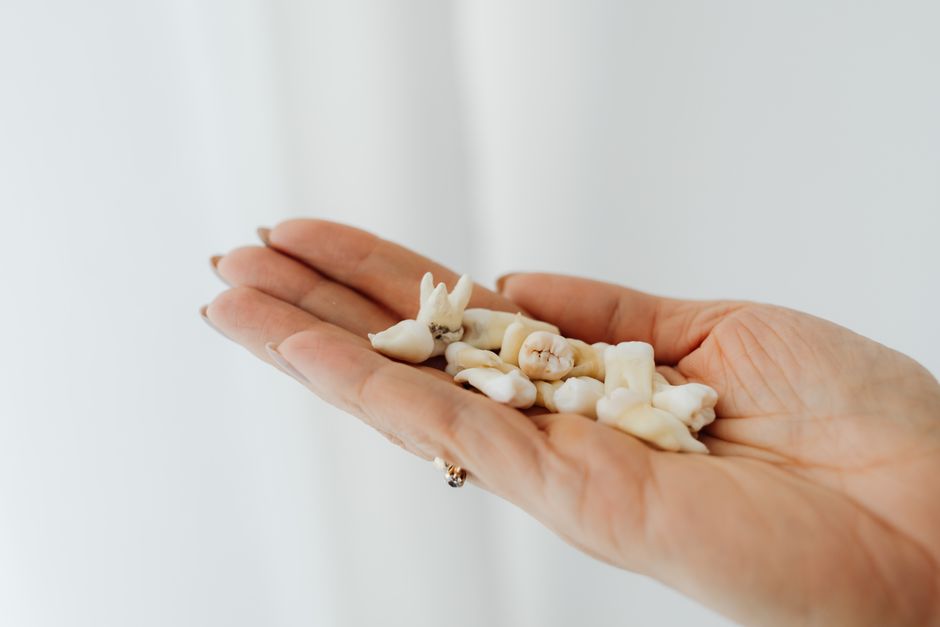
Enamel is the hardest tissue in the human body, yet it has one fatal flaw: it cannot grow back. Once enamel is physically lost, your body has no mechanism to rebuild it. What enamel can do — under the right conditions — is repair itself at the microscopic level through a process called remineralization. That distinction between reversing early damage and replacing lost structure is the single most important fact in this entire topic.
Early-stage enamel damage, before a cavity forms, can sometimes be stopped and partially repaired with fluoride, minerals from saliva, and changes to diet and hygiene. A true hole in the tooth cannot. No toothpaste, rinse, or supplement currently on the market regrows enamel that has been physically worn away or drilled out. Understanding where you fall on that line determines what will actually help you.
What Is Tooth Enamel and Why Can’t It Grow Back?
Enamel is roughly 96 percent mineral, mostly a calcium phosphate crystal called hydroxyapatite. The remaining few percent is water and protein. It contains no living cells.
That last point explains everything. Bone can remodel because it holds living cells that build and break down tissue. Enamel is formed once, by cells called ameloblasts, before your teeth erupt. Those cells die off after the tooth emerges. From that moment on, enamel is a finished structure with no repair crew inside it.
Enamel also has no blood supply and no nerve endings. That is why you can chip a tooth and feel nothing at first. It is why enamel damage is often invisible until it reaches the softer dentin underneath, where the nerves live.
What enamel does have is an ongoing exchange with your saliva. Minerals move out of the enamel surface and back in, all day long. This is the only repair process your teeth have, and it works at the surface level only.
How To Fix Enamel Loss: Remineralize Or Restore?
The honest answer depends entirely on how deep the damage goes. There are two distinct problems here, and they need two different solutions.
Demineralization is mineral loss from the enamel surface. It shows up as white spots, chalky patches, or a dull, frosted look. At this stage, the crystal structure is weakened but the framework is still there. This can be remineralized.
Enamel loss means the structure itself is gone — worn down by grinding, eroded by acid, chipped, or removed by a dentist treating a cavity. There is no framework left to remineralize. This requires restoration: bonding, a filling, a crown, or a veneer.
Many people search for a way to regrow enamel because they are looking at white spots or sensitivity and assuming the worst. Some of those cases are still in the remineralizable stage. A dentist can usually tell the difference with a visual exam and sometimes a laser fluorescence device or X-ray.
How Does Remineralization Actually Work?
Remineralization is the natural movement of calcium and phosphate ions from saliva back into the enamel surface. It happens constantly, and it partially offsets the demineralization caused by acid.
Your mouth is in a tug-of-war. Every time you eat or drink something fermentable, bacteria produce acid that pulls minerals out of enamel. Saliva then buffers the acid and pushes minerals back in. When demineralization outpaces remineralization over time, a cavity can begin.
Fluoride changes this balance in two specific ways. First, it speeds up the redeposition of minerals into the enamel. Second, when fluoride is present during remineralization, it gets incorporated into the crystal structure as fluorapatite, which is more resistant to acid than the original hydroxyapatite. This is the core mechanism behind fluoride’s cavity-prevention effect, and it is one of the best-established findings in dentistry.
What Actually Helps Remineralization
- Fluoride toothpaste, used twice daily. This is the most evidence-supported step by a wide margin.
- Fluoride varnish or gel applied professionally, for higher-risk patients.
- Reducing how often acid hits the teeth — fewer snacks and fewer sugary drinks between meals matters more than total sugar amount.
- Stimulating saliva flow. Saliva is the delivery system for the minerals. Dry mouth slows everything down.
- Calcium phosphate products, which some evidence suggests can add minerals. The evidence is weaker than for fluoride and results vary.
What does not work: brushing harder, whitening toothpaste on damaged enamel, or any product claiming to “regrow” enamel. No clinical evidence currently confirms that any consumer product rebuilds lost enamel structure.
Can Toothpaste or Supplements Regrow Enamel?
No. No toothpaste, mouthwash, gum, or supplement has been shown to regrow enamel that has been physically lost.
This is worth stating plainly because the marketing around this category is aggressive. Products describe “enamel repair,” “enamel building,” and “remineralizing” in ways that blur the line between surface hardening and actual structure replacement.
What fluoride toothpaste can do is real but limited. It can harden the enamel surface, make it more acid-resistant, and help stop early lesions from progressing into cavities. That is a genuine benefit. It is not regrowth.
Hydroxyapatite toothpaste, which uses a synthetic form of the enamel mineral, has grown in popularity, particularly in products marketed as fluoride-free. Some studies suggest it can remineralize early lesions. The evidence is promising but less established than the evidence for fluoride, and it is not a replacement for restoring a cavity.
Supplements marketed for tooth health — calcium, vitamin D, magnesium, and others — support bone and general health. They do not direct minerals into a specific patch of damaged enamel. Enamel mineralization happens at the tooth surface from saliva, not from your bloodstream.
When Enamel Loss Needs a Dentist
Once enamel is gone, the only way to replace it is with dental materials. There is no nutritional or hygiene path back.
Signs it is time to be seen:
- Visible pits, grooves, or a dark spot that does not brush away
- Persistent sensitivity to cold, heat, or sweets
- A rough or sharp edge where enamel has worn or chipped
- Teeth that look shorter or more yellow over time — yellow shows through as enamel thins
- Pain on biting, which can mean the damage has reached dentin or the nerve
Restoration options include composite bonding, which adds tooth-colored resin to worn or chipped edges; fillings for cavities; crowns for badly damaged teeth; and veneers for front teeth with significant wear. Each has trade-offs in cost, longevity, and how much healthy tooth structure must be removed.
For erosion specifically, a dentist may also want to find the cause — acid reflux, frequent vomiting, a highly acidic diet, or dry mouth from medication. Treating the source matters, because restoration on a tooth that keeps eroding will not last.
What Causes Enamel Loss in the First Place?
Enamel loss has three main routes, and they often overlap.
Acid erosion dissolves enamel chemically. Sources include soda, sports drinks, citrus, wine, and stomach acid from reflux or vomiting. Stomach acid is far more corrosive to teeth than most food acids.
Abrasion and attrition wear enamel away mechanically. This includes aggressive brushing, especially with a hard-bristle brush, and tooth grinding or clenching. Grinding is one of the most common causes of significant enamel wear in adults.
Cavities are a localized form of destruction. Bacteria produce acid in specific spots, usually in grooves or between teeth, and the enamel breaks down there.
A non-obvious point: brushing right after acid exposure can make erosion worse. Acid softens the enamel surface for a period, and brushing during that window can scrub away weakened mineral. Rinsing with water and waiting before brushing is the safer sequence. This is a widely taught clinical point, though the exact ideal waiting time is not firmly settled.
What Can You Do to Protect the Enamel You Have?
Since enamel cannot be replaced by your body, protection is the whole game. The steps below are well supported for preventing further loss.
- Brush twice daily with fluoride toothpaste and a soft-bristle brush.
- Use a fluoride mouthwash if your dentist recommends one, especially if you are at higher risk.
- Limit acidic and sugary drinks, and use a straw to reduce contact with teeth.
- Rinse with plain water after acidic food or drink rather than brushing immediately.
- Chew sugar-free gum after meals to boost saliva flow.
- Address dry mouth with your doctor or dentist, since saliva is central to remineralization.
- Ask about a night guard if you grind your teeth.
- Keep regular dental visits so early lesions can be caught while they are still reversible.
Fluoride toothpaste is not a marketing claim — it is the most consistently supported single measure for reducing cavity risk across decades of research. The evidence for most other over-the-counter enamel products is far weaker.
Frequently Asked Questions
Can enamel loss be reversed?
Only early-stage demineralization can be partially reversed through remineralization. Enamel that has been physically worn away or drilled out cannot be regrown and must be restored with dental materials.
Does fluoride toothpaste actually rebuild enamel?
It does not rebuild lost structure, but it hardens the existing enamel surface and makes it more resistant to acid. This is one of the most well-established findings in dentistry.
How long does it take to remineralize teeth?
Timelines vary by person and by how deep the damage is, and no reliable universal figure exists. Early lesions can show improvement over weeks to months with consistent fluoride use, but a dentist should assess whether the damage is still reversible.
Can I regrow enamel naturally at home?
No. No home remedy, diet, or supplement regrows enamel that has been lost. Home care can support remineralization of early surface damage and prevent further loss, but it cannot replace missing structure.
