
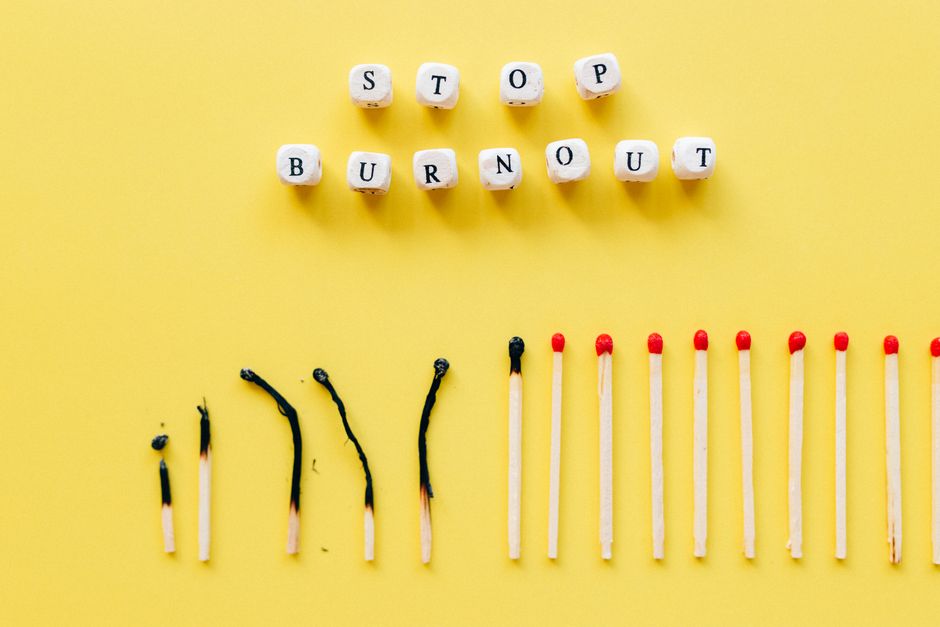
Burnout does not resolve with a weekend off or a better night’s sleep, because it is not a rest problem. It is a chronic stress response that develops when demands outpace your resources for too long, and it usually requires changing the conditions that created it. The fix is rarely a single vacation. It is a combination of reducing sustained job strain, rebuilding a sense of control, and getting professional help when the pattern has taken hold.
What Is Burnout, Exactly?
Burnout is a recognized occupational phenomenon, not a medical diagnosis. The World Health Organization describes it as a syndrome resulting from chronic workplace stress that has not been successfully managed. It is defined by three dimensions: exhaustion, mental distance or cynicism toward your job, and reduced sense of professional efficacy.
That definition matters because it separates burnout from ordinary tiredness and from depression. The exhaustion of burnout is tied to work. The cynicism is directed at the job. Depression tends to be broader, affecting how you feel about your whole life, not just your workday.
The two can overlap, though. Someone with burnout can develop depression, and someone with depression can feel burned out. A clinician is usually needed to tell them apart, and this distinction affects treatment. Depression may respond to medication and therapy. Burnout responds most reliably to changes in the work environment and how you relate to it.
One clarification worth holding onto: burnout is not a sign of weakness or poor resilience. Research consistently frames it as a response to prolonged job demands that exceed a person’s capacity to recover. Blaming yourself for it tends to make it worse.
Why Doesn’t Rest Fix Burnout?
Rest restores energy. It does not remove the conditions that drain it. If you return from a week off to the same workload, the same lack of control, and the same unresolved conflict, the exhaustion comes back. This is why people often feel better on the last day of vacation and depleted within days of returning.
The physiology explains part of this. Chronic stress keeps the body’s stress-response system activated. Over time, that sustained activation affects sleep quality, concentration, mood, and immune function. A single good night’s sleep does not reset a system that has been running hot for months.
There is also a recovery problem specific to burnout. When you are depleted, rest feels like it should be enough, so you keep trying to rest your way out. The mismatch between effort and result becomes its own source of frustration. You sleep more and still feel flat. You take a break and the dread returns on Sunday night.
That pattern is the signal. If rest alone were the answer, it would have worked by now.
How To Fix Burnout At Work When Rest Isnt Enough
The most effective approach targets the job itself, not just your reaction to it. Research on job stress points to specific workplace factors that drive burnout: high demands, low control over how you do your work, insufficient reward or recognition, lack of community, unfairness, and value conflicts. Each of these can be addressed, though some are easier than others.
Start with control. People who have more say over their schedule, their methods, and their priorities tend to cope better with high demands. If your job allows any flexibility, use it deliberately. Negotiating when and how you work can reduce strain more than working fewer hours in a rigid structure.
Then look at demands. Not all demands are equal. Some are energizing and some are corrosive. Sorting your tasks into these two categories can clarify what to push back on. A conversation with a manager about redistributing or dropping specific tasks is often more productive than a vague request for less work.
Recognition and fairness matter more than people expect. Feeling unseen or treated unfairly wears people down in a way that rest cannot repair. If that is your situation, naming it directly with someone who has influence over it is part of the solution, not a complaint.
Boundaries are the piece most within your control. That means protecting time off, limiting after-hours messages where possible, and being clear about what you will and will not take on. These steps are not a cure on their own, but they reduce the daily drip of demands that keeps the stress response switched on.





What Changes Actually Help?
Some interventions have more support than others. The evidence is strongest for approaches that change the work environment or how a person manages their relationship to it, rather than those that simply encourage relaxation.
- Job crafting. Adjusting tasks, relationships, and how you think about your work to better fit your strengths and values. Some studies suggest this reduces burnout, though results vary by workplace.
- Skills-based training. Programs that teach coping strategies, boundary-setting, and cognitive reframing show modest benefits in some trials. They work better when paired with actual changes at work.
- Manager and organizational change. Interventions aimed at how work is structured and supervised tend to have more durable effects than individual-focused programs alone.
- Professional support. Therapy, particularly approaches like cognitive behavioral therapy, can help with the anxiety, low mood, and unhelpful thought patterns that accompany burnout.
What has weaker support: wellness apps, mandatory mindfulness sessions, and resilience workshops offered in place of fixing the underlying workload. These are common in workplaces, and some people find them useful, but no strong evidence shows they resolve burnout on their own. Treating them as the solution can delay the changes that actually matter.
When Should You Get Professional Help?
Get help when burnout is affecting your health, your relationships, or your ability to function. Signs worth taking seriously include persistent low mood, loss of interest in things you used to enjoy, sleep that does not restore you, changes in appetite, and thoughts of hopelessness. These can point to depression, which needs treatment.
Talk to a doctor or mental health professional if symptoms have lasted more than a few weeks, if they are getting worse, or if you are using alcohol or other substances to cope. If you ever have thoughts of harming yourself, seek help immediately. In the US, you can call or text 988 to reach the Suicide and Crisis Lifeline.
Some clinicians also recommend a medical check when exhaustion is severe, because thyroid problems, anemia, and sleep disorders can produce symptoms that look like burnout. This is common clinical practice rather than a proven routine, but it is reasonable when fatigue is prominent.
Can You Recover Without Leaving Your Job?
Yes, sometimes, but it depends on whether the job can change. Recovery is more likely when the demands, control, and support at work can shift. It is less likely when the environment is fixed and the only variable is how hard you try to cope.
Recovery usually takes time. It is not a switch that flips after a good week. Many people describe gradual improvement over weeks to months as demands ease and support increases. The timeline varies widely and no reliable figure applies to everyone.
If you have tried to change your situation and nothing moves, that is information. Sometimes the honest answer is that the job is not compatible with your health, and leaving becomes a legitimate option. That is a personal decision, not a failure. It is also not one to make in a single bad week.
Frequently Asked Questions
How long does it take to recover from burnout?
There is no fixed timeline, and recovery often takes weeks to months rather than days. It typically depends on whether the underlying work conditions change and how much support you have.
Is burnout the same as depression?
No, burnout is a work-related phenomenon defined by exhaustion, cynicism, and reduced efficacy, while depression is a broader medical condition. They can overlap, and a clinician is usually needed to tell them apart.
Can a vacation fix burnout?
A vacation can provide temporary relief but rarely resolves burnout on its own. Symptoms often return quickly if the same work conditions are waiting when you get back.
Should I quit my job to recover from burnout?
Not necessarily, and it is a decision best made carefully rather than during a low point. Changing the conditions at work, or seeking professional support, can sometimes be enough, though leaving is a valid option if nothing else works.
