
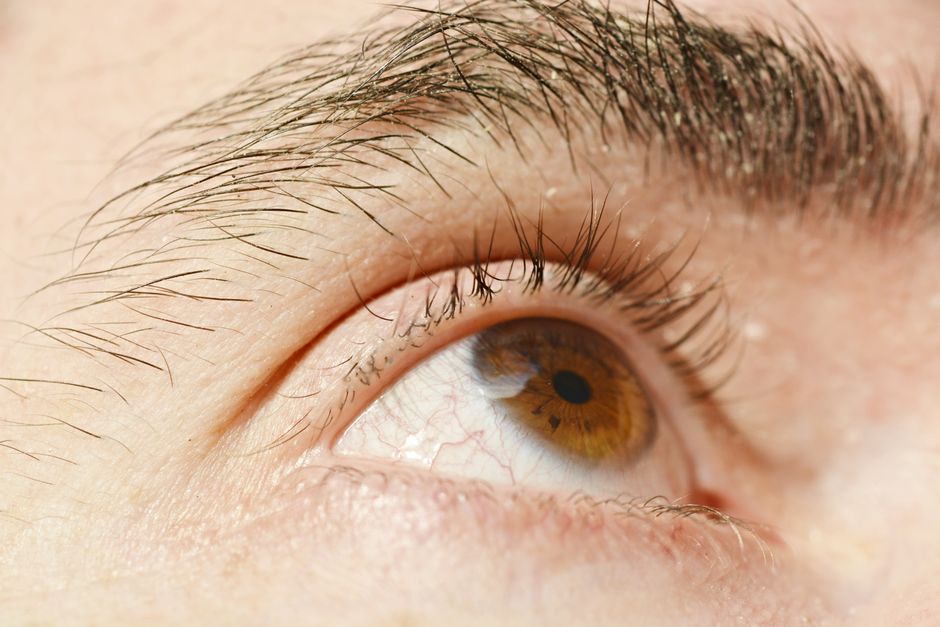
Blepharitis that keeps coming back is usually not a treatment failure. It is a maintenance problem. The eyelid margin has oil glands that clog, and once they clog, they tend to clog again unless you keep them clear. Most people get relief from a daily routine, not a one-time fix. Stopping the routine is the single most common reason symptoms return.
To fix recurring blepharitis, you need two things working together: consistent daily eyelid hygiene and treatment of any underlying condition driving the inflammation. Warm compresses, lid scrubs, and sometimes medication can control symptoms. But if an underlying cause like rosacea, seborrheic dermatitis, or dry eye goes untreated, the blepharitis will keep coming back no matter how good your lid hygiene is.
What Is Blepharitis and Why Does It Return?
Blepharitis is inflammation of the eyelid margins — the edges where your eyelashes meet your lids. Those margins contain dozens of tiny oil glands called meibomian glands. These glands produce oil that coats your tear film and keeps it from evaporating too fast.
When those glands become blocked or inflamed, the oil thickens or stops flowing. Tears evaporate quickly. The lid margin gets red, crusty, and irritated. This is called meibomian gland dysfunction, and it is the most common driver of posterior blepharitis.
Anterior blepharitis affects the outside of the lid margin near the lashes. It is often linked to bacteria on the skin or to dandruff-like scaling from seborrheic dermatitis.
Both types tend to be chronic. The glands do not stay unclogged on their own. Oil production continues, skin cells keep shedding, and bacteria remain on the lid margin. Without ongoing care, the same blockage reforms. That is why a single course of treatment rarely keeps symptoms away permanently.
How To Fix Blepharitis When It Keeps Coming Back
The fix is a daily routine you maintain indefinitely, not a short course you stop when symptoms fade. Think of it the way you think about brushing your teeth — it works because you keep doing it.
A standard daily eyelid hygiene routine includes:
- Warm compress: Apply a warm, damp washcloth or microwaveable eye mask to closed eyes for several minutes. This softens the hardened oil inside the glands so it can flow.
- Lid massage: After the compress, gently massage the lids toward the lash line to help express the softened oil.
- Lid cleaning: Use a gentle eyelid cleanser, diluted baby shampoo, or pre-moistened lid wipes to remove debris and oil from the margin.
The exact duration and frequency matter less than consistency. Some clinicians recommend warm compresses once or twice daily during flare-ups and once daily for maintenance. If you stop entirely once things look better, symptoms typically return within weeks.
For people with blepharitis that keeps recurring, prescription treatment may be needed on top of hygiene. Topical antibiotic ointments are sometimes prescribed for bacterial involvement. An antibiotic plus steroid ointment may be used short-term to calm a flare. Oral antibiotics such as doxycycline are sometimes prescribed for meibomian gland dysfunction, though evidence for their benefit is mixed and they carry real side effects. These are decisions for a doctor, not a self-treatment plan.
What Underlying Conditions Keep Blepharitis Coming Back?
If your blepharitis keeps returning despite good lid hygiene, an underlying condition is likely driving it. Treating that condition is often what finally breaks the cycle.
Rosacea is one of the strongest links. Ocular rosacea causes redness, burning, and a gritty feeling in the eyes, and it frequently produces blepharitis that resists hygiene alone. Many people have skin rosacea on the face without realizing the eye symptoms are connected.
Seborrheic dermatitis causes flaky, greasy scaling on the scalp, eyebrows, and lid margins. When this scaling affects the lids, it feeds the inflammation cycle. Controlling the scalp and facial component can reduce lid symptoms.
Dry eye disease and blepharitis feed each other. Poor oil flow makes tears evaporate faster, which irritates the lids, which worsens gland function. Treating both together tends to work better than treating either alone.
Demodex mites are microscopic organisms that live in hair follicles, including eyelashes. They are common and usually harmless, but heavy infestation is associated with a specific type of blepharitis marked by cylindrical dandruff at the base of the lashes. Tea tree oil-based lid cleansers are sometimes used for this, though evidence on how well they work is limited.
Other contributing factors include contact lens wear, makeup that is not fully removed, and skin conditions like eczema near the eyes.





Which Treatments Actually Help — and Which Don’t?
Warm compresses and lid hygiene remain the foundation. Beyond that, some treatments have better evidence than others.
| Treatment | What the evidence shows |
|---|---|
| Warm compresses and lid massage | Widely recommended and considered standard first-line care; evidence for how much they improve gland function is modest but consistent |
| Lid scrubs and cleansers | Standard practice for removing debris and reducing bacterial load on the margin |
| Topical antibiotic or antibiotic-steroid ointment | Commonly prescribed for flares; helps short-term, but does not prevent recurrence on its own |
| Oral antibiotics (e.g., doxycycline) | Sometimes prescribed for meibomian gland dysfunction; evidence is mixed and side effects are real |
| Artificial tears | Help manage dryness and comfort; do not treat the underlying lid inflammation |
| Intense pulsed light (IPL) | Some studies suggest benefit for meibomian gland dysfunction; not universally available and results vary |
| Lipiflow and other thermal pulsation devices | In-office treatments that heat and express glands; evidence is mixed and they are not a permanent fix |
What does not work: stopping treatment once symptoms improve. Blepharitis is a chronic condition for most people. Managing it is ongoing. There is no evidence that any single treatment permanently cures it.
How Long Does It Take to Get Blepharitis Under Control?
Symptoms often improve within a few days to a couple of weeks of consistent care. But control is not the same as cure. The underlying gland dysfunction does not resolve — it is managed.
This is the part most people miss. Blepharitis that responds well to treatment will still flare if you stop the routine. Flares can also be triggered by:
- Changes in weather, especially dry or cold air
- Allergy season
- Contact lens use
- Certain medications, including some acne treatments
- Hormonal changes
- Makeup or skincare products that irritate the lids
Expecting a permanent fix sets you up for frustration. Expecting to manage it — the way you manage dental hygiene — sets you up for success.
When Should You See a Doctor About Recurring Blepharitis?
See an eye doctor if symptoms keep returning despite weeks of consistent lid hygiene, if your vision changes, if you have significant pain, or if one eye is much worse than the other. These can signal something beyond routine blepharitis.
Also see a doctor if you develop a red, tender bump on the lid that does not improve, or if you have crusting that bleeds. A stye or chalazion may need different treatment. In rare cases, lid inflammation can be linked to skin cancer, which is why a non-healing lid lesion should always be evaluated.
An eye doctor can confirm the diagnosis, identify whether meibomian gland dysfunction, rosacea, or Demodex is involved, and prescribe targeted treatment. They can also check whether your tear film is healthy enough to support the glands.
Frequently Asked Questions
Can blepharitis be cured permanently?
No. Blepharitis is typically a chronic condition that is managed rather than cured. Symptoms can be controlled well with ongoing daily eyelid hygiene and treatment of underlying causes.
How often should I do warm compresses for blepharitis?
Many clinicians recommend warm compresses once or twice daily during flares and at least once daily for maintenance. The key is consistency rather than intensity.
Why does my blepharitis keep coming back after treatment?
Because the underlying gland dysfunction or skin condition does not go away — it only quiets down. Without ongoing care, the same blockage and inflammation return.
Can blepharitis cause permanent vision problems?
Routine blepharitis rarely causes permanent vision loss, but chronic inflammation can damage the tear film and, in some cases, the cornea. Persistent or worsening symptoms should be evaluated by an eye doctor.
