
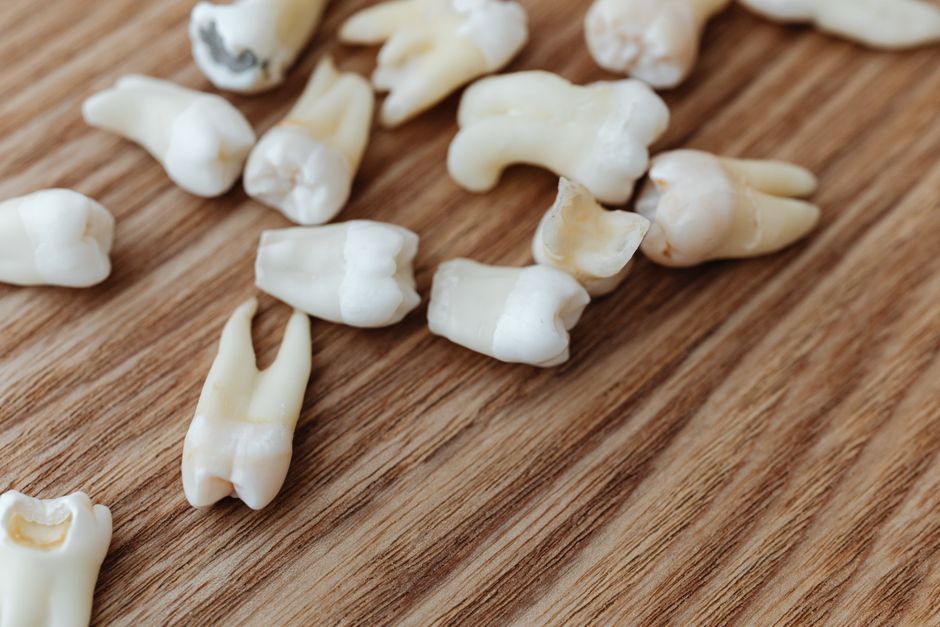
Bad breath from tooth decay has one real fix: the decay has to be treated, not covered up. No mouthwash, gum, or brushing routine removes the smell at its source while a cavity is still active. A dentist has to remove the decayed tissue and restore the tooth. Once that happens, and once you keep the bacteria that cause both problems under control, the breath problem usually resolves.
That is the honest short answer. The rest of this article explains why decay smells the way it does, what a dentist actually does about it, and what you can do at home so the problem does not come back.
Why Does Tooth Decay Cause Bad Breath?
Decay is a bacterial process, and bacteria produce smell as a byproduct of eating. That is the whole mechanism in one line.
Your mouth hosts hundreds of bacterial species. When you eat fermentable carbohydrates — sugar and starches — certain bacteria convert them into acid. That acid dissolves tooth enamel over time, creating a cavity. The same bacterial activity also produces volatile sulfur compounds, the gases responsible for most bad breath. Hydrogen sulfide and methyl mercaptan are the two most studied, and both smell roughly like rotten eggs and cabbage.
A cavity changes the environment in a way that makes this worse. The hole traps food particles and bacteria that brushing cannot reach. Decayed tissue itself is soft, dead, and teeming with bacteria. In advanced cases, the pulp inside the tooth — where nerves and blood vessels sit — can become infected and die, and that necrotic tissue produces a distinctly foul odor.
This is why bad breath from decay tends to be persistent and localized. It does not fade after brushing the way morning breath does. It comes back within minutes because the source is still there.
How To Fix Bad Breath From Tooth Decay For Good
The fix is dental treatment. There is no home remedy that reverses an established cavity, and no product that neutralizes the smell of active decay for long.
What a dentist does depends on how far the decay has progressed:
- Small to moderate cavity: The dentist removes the decayed portion and fills the tooth, usually with a composite resin or amalgam. Once the decayed tissue is gone, the odor source is gone with it.
- Deep cavity reaching the pulp: If the nerve is infected or dead, a root canal removes the infected pulp, disinfects the inside of the tooth, and seals it. This is often necessary when the smell is severe or when there is pain, swelling, or a bad taste.
- Tooth beyond repair: Extraction may be the only option. A severely decayed tooth that cannot be restored is also a persistent odor source, and removing it resolves that.
After treatment, the breath problem typically improves quickly — often within days — because the bacterial reservoir is gone. If bad breath continues after treatment, the cause is usually something else: gum disease, tonsil stones, sinus issues, acid reflux, or a systemic condition. That is worth investigating rather than assuming the dental work failed.
One clarification worth making: filling a cavity does not sterilize your mouth. The bacteria that caused the decay are still present. Treatment removes the damage, not the underlying risk. That is why the next section matters.
What Happens If You Only Mask the Smell?
Masking works for minutes. The decay keeps progressing underneath.
Mouthwash, mints, and gum can temporarily cover odor, and some mouthwashes with antibacterial ingredients reduce bacteria for a short time. None of them reach inside a cavity. None of them stop the acid damage. While you are managing the smell, the cavity is getting deeper.
That progression has consequences. Decay that starts in enamel — the hard outer layer — can be stopped or reversed early with fluoride and good hygiene. Once it reaches dentin, the softer layer beneath, it advances faster. Once it reaches the pulp, you are looking at a root canal or extraction rather than a filling.
There is also a cost dimension that people rarely think about until it happens. A filling is simpler and less expensive than a root canal, which is less expensive than an implant or bridge to replace a lost tooth. Treating decay early is not just better for your breath. It is better for your mouth and your wallet.
And there is a safety point that deserves stating plainly. A dental infection that reaches the pulp does not always stay contained. It can spread into the surrounding bone and, in serious cases, into deeper tissues. Swelling in the face or jaw, fever, or difficulty swallowing alongside a bad taste or smell are reasons to seek care urgently, not to wait.
What Can You Do at Home to Prevent It From Coming Back?
Home care does not fix existing decay. It prevents new decay, which is the part you actually control.
The established basics:
- Brush twice daily with a fluoride toothpaste. Fluoride is the most well-supported intervention for preventing cavities, and its benefit is not in dispute.
- Clean between teeth once a day with floss or an interdental brush. Cavities commonly form between teeth where a toothbrush cannot reach.
- Limit how often you eat fermentable carbohydrates. Frequency matters more than total amount — sipping sugary drinks all day keeps acid production constant.
- Drink water, especially after eating. It helps clear food particles and supports saliva flow.
- See a dentist for regular checkups. Early decay is often invisible and painless, which is exactly why it gets missed.
Saliva deserves a mention because it is underrated. Saliva neutralizes acid, washes away food, and contains minerals that help repair early enamel damage. Anything that reduces saliva flow — certain medications, mouth breathing, some medical conditions — raises cavity risk. If your mouth feels consistently dry, that is worth raising with a dentist or doctor.
On the question of whether you can “cure” a cavity at home: for very early enamel damage, before a true hole forms, fluoride and good hygiene can allow the enamel to remineralize. That is real and well documented. But once a cavity has formed, it does not heal on its own. No oil, no rinse, and no supplement reverses it. That distinction matters because a lot of online advice blurs it.
When Should You See a Dentist?
See a dentist as soon as you notice persistent bad breath that does not improve with good hygiene, or any visible sign of decay.
Signs that point toward decay specifically:
- A visible dark spot, hole, or pit in a tooth
- Pain or sensitivity to sweet, hot, or cold foods
- A bad taste in your mouth, especially near one specific tooth
- Food consistently getting stuck in the same spot
- Bad breath that is worse on one side or in one area
Some of these overlap with other conditions. Gum disease, for example, also causes persistent bad breath and can be present alongside decay. Tonsil stones, sinus infections, and acid reflux can all produce similar symptoms. A dentist can usually tell the difference during an exam, often with X-rays to see decay that is not visible on the surface.
Do not wait for pain. Early decay frequently does not hurt, and by the time it does, the problem is usually more advanced and more expensive to fix.
Does Treating Decay Always Fix Bad Breath?
No. It fixes the bad breath that the decay was causing, which is often most or all of it. It does not fix bad breath from other sources.
If your breath is still bad after dental treatment, the likely culprits are:
- Gum disease. Periodontal pockets harbor bacteria that produce sulfur compounds. This is one of the most common causes of persistent bad breath in adults.
- Tongue bacteria. The back of the tongue is a major reservoir for odor-causing bacteria. Gentle tongue cleaning helps in many people.
- Dry mouth. Reduced saliva flow concentrates bacteria and odor.
- Non-oral causes. Sinus infections, post-nasal drip, acid reflux, and some systemic conditions can all contribute.
This is why an accurate diagnosis matters more than a product. If you treat the wrong cause, nothing improves, and you spend money on rinses that were never going to work.
Frequently Asked Questions
Can tooth decay bad breath go away on its own?
No. Established decay does not heal without dental treatment, so the odor source stays until a dentist removes it. Only very early enamel damage can remineralize with fluoride and good hygiene.
What does bad breath from tooth decay smell like?
It is usually described as a persistent, foul or rotten smell that returns quickly after brushing. The odor comes from volatile sulfur compounds produced by bacteria, and it tends to be worse near the affected tooth.
How long after a filling does bad breath go away?
Many people notice improvement within days once the decayed tissue is removed. If bad breath continues after treatment, another cause such as gum disease or dry mouth is likely involved.
Can I fix bad breath from a cavity without seeing a dentist?
No. Mouthwash and mints can mask the smell for a short time but do not reach inside a cavity or stop the decay from progressing. Only dental treatment removes the source.
