
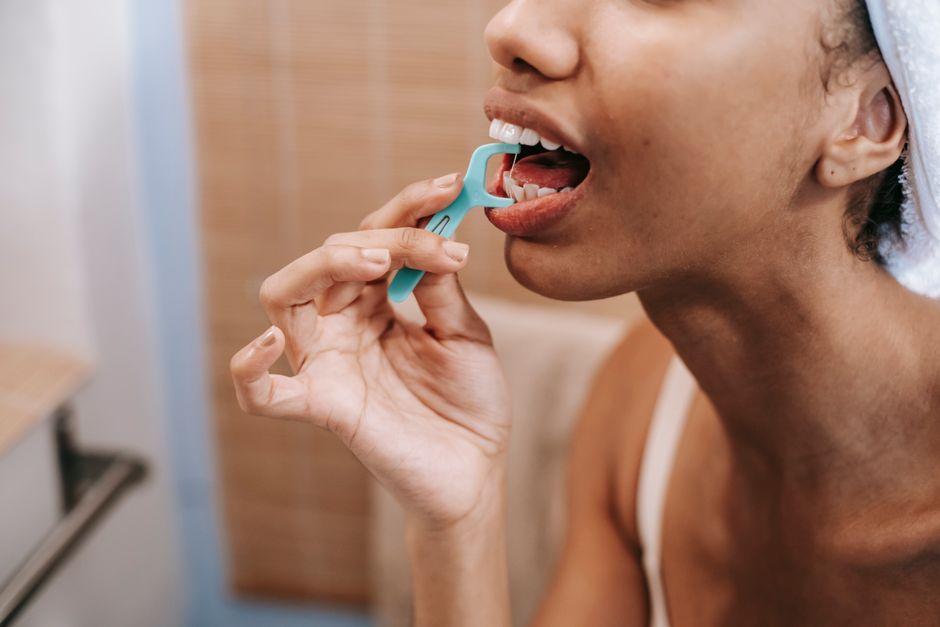
If cold water or a spoonful of ice cream makes you wince, you probably have sensitive teeth. The fix depends on why the tooth hurts. In most cases, the cause is exposed dentin — the softer layer under your enamel — and the first step is a soft toothbrush, a toothpaste made for sensitive teeth, and a checkup to rule out a cavity or cracked tooth. A dentist can add treatments like fluoride varnish, bonding, or a filling if the cause is structural. Most sensitivity improves with the right home routine, but pain that lingers after the cold or heat is gone needs a dentist’s look.
Why Does A Tooth Suddenly Feel Sensitive?
Under your enamel sits dentin, a layer packed with tiny tubes called tubules. These tubules connect to the nerve at the center of the tooth. When enamel wears thin or gums pull back, those tubes are exposed. Cold, heat, sweet, or acidic foods shift fluid inside the tubules, and the nerve registers it as a sharp, quick pain.
That is the most common mechanism, and it explains why sensitivity tends to be brief — a flash of pain that fades within seconds of the trigger leaving. Several things can expose dentin:
- Enamel wear from brushing too hard or using a hard-bristled brush
- Gum recession, which exposes the softer root surface
- Acid erosion from frequent soda, citrus, or stomach acid
- Tooth whitening products, which can cause temporary sensitivity
- Small cavities, cracked teeth, or worn fillings
- Recent dental work, including cleanings and fillings
One point people often miss: sensitivity is a symptom, not a diagnosis. A sharp twinge can come from exposed dentin, but it can also signal a cavity, a cracked tooth, or an infected nerve. Those need different treatment. This is why a dentist’s exam matters even when home care helps.
How To Fix A Sensitive Tooth At Home
Home care works best for sensitivity caused by exposed dentin and gum recession. It does not fix cavities or cracks. The habits below are the ones most consistently supported by dental guidance.
Switch to a desensitizing toothpaste
Toothpastes labeled for sensitive teeth contain ingredients that block the tubules or calm the nerve. Potassium nitrate and stannous fluoride are two common active ingredients. These products are meant to be used daily, not as a one-time fix. Improvement usually builds over days to a few weeks of regular use. If you have not noticed any change after several weeks, that is a reason to see a dentist rather than keep buying new products.
Change how you brush
Use a soft-bristled brush and light pressure. Brushing hard, especially side to side at the gumline, wears enamel and pushes gums back over time. That wear is permanent. Hold the brush at a slight angle toward the gums and use small circular motions. An electric brush with a pressure sensor can help if you tend to press hard.
Cut back on acid and rinse after it
Frequent soda, citrus, sports drinks, and wine soften enamel. So does stomach acid from reflux or vomiting. Rinse with plain water after acidic food or drink. Wait about 30 minutes before brushing — brushing right after acid exposure can scrub away softened enamel. This timing advice is widely taught in dentistry, though the exact window is a general guideline rather than a precise cutoff.
Try fluoride
Fluoride toothpaste helps harden enamel and can reduce sensitivity. Some dentists suggest a fluoride rinse or a higher-fluoride toothpaste for people with a lot of sensitivity or root exposure. Higher-fluoride products are often prescription-only in the US, so ask your dentist before using one.
Avoid whitening for now
Whitening products commonly cause temporary sensitivity. If your teeth are already sensitive, pause whitening until the sensitivity settles, then reintroduce it slowly if you want to continue.
What Can a Dentist Do That Home Care Cannot?
A dentist can find and treat the cause when home care is not enough. The exam usually starts with a visual check, a probe of sensitive areas, and sometimes an X-ray to rule out decay or cracks. What happens next depends on what is found.
- Fluoride varnish — a concentrated fluoride coating applied to sensitive areas, often on exposed roots.
- Bonding — a resin applied over worn or exposed root surfaces to seal the tubules.
- Fillings — used when a cavity or worn filling is the cause.
- Gum treatment — if recession is advanced, a dentist may recommend a gum graft to cover exposed roots.
- Root canal — reserved for cases where the nerve itself is damaged or infected, not for simple dentin sensitivity.
These treatments vary in how well they are supported by research. Bonding and fluoride varnish are common and reasonable for exposed dentin, but response varies from person to person. Gum grafting is a real procedure for significant recession, but it is not a first-line fix for mild sensitivity. A dentist should explain why a given option fits your case.
When Is Tooth Sensitivity a Sign of Something More Serious?
See a dentist promptly if the pain lasts more than a few seconds after the trigger is gone, wakes you at night, or comes with swelling, a bad taste, or a loose tooth. Those signs point away from simple dentin sensitivity and toward a cavity, a cracked tooth, or an infection.
Pain that lingers after heat or cold is a classic sign the nerve is involved. A tooth that hurts when you bite down may be cracked. Sensitivity that appears suddenly in one tooth, rather than gradually across several, is also worth a look. Simple sensitivity tends to be diffuse and gradual. A single tooth that changes overnight deserves attention.
This is where home remedies can mislead. Clove oil and other numbing agents may dull pain for a while, but they do not treat a cavity or an infection. If the cause is structural, masking the pain can delay care.
Can Sensitive Teeth Be Prevented?
Much of the wear that causes sensitivity builds over years, so prevention is mostly about daily habits. The goal is to keep enamel and gums where they belong.
- Brush twice a day with a soft brush and fluoride toothpaste
- Floss or clean between teeth daily to protect gums
- Limit acidic drinks and rinse with water after them
- Avoid brushing right after acidic food or drink
- Do not use your teeth to open packages or chew ice
- Ask your dentist about a night guard if you grind your teeth
Grinding and clenching are underrecognized causes of enamel wear and sensitivity. Many people grind in their sleep and do not know it. A dentist can often spot the wear pattern during an exam.
What About Home Remedies Like Salt Water and Clove Oil?
Salt water rinses are a traditional remedy and are generally harmless. They do not repair enamel or block exposed tubules, but they can soothe irritated gums. Clove oil contains eugenol, a natural numbing compound, and some people find it eases pain temporarily. It should be used sparingly and never as a substitute for treating the cause.
Other popular remedies — baking soda pastes, hydrogen peroxide rinses, and oil pulling — have little to no clinical evidence behind them for tooth sensitivity. They are not dangerous in small amounts, but they are not a fix. The evidence for most of these is limited, and no large human trials confirm they reduce sensitivity.
Frequently Asked Questions
How long does it take for sensitive teeth toothpaste to work?
Most people notice some improvement within a few days to a few weeks of daily use. If there is no change after several weeks, see a dentist to check for a cavity or crack.
Can sensitive teeth heal on their own?
Mild sensitivity from recent dental work or whitening often fades on its own. Sensitivity from worn enamel or receded gums does not reverse without treatment, because enamel does not grow back.
Is tooth sensitivity a sign of a cavity?
It can be. Cavities, cracked teeth, and gum disease can all cause sensitivity, so a sharp or lingering pain should be checked by a dentist rather than treated at home.
Should I stop using whitening toothpaste if my teeth are sensitive?
Yes, if sensitivity is a problem. Whitening toothpastes can be more abrasive or contain whitening agents that trigger sensitivity, so switching to a desensitizing toothpaste is a reasonable first step.
