
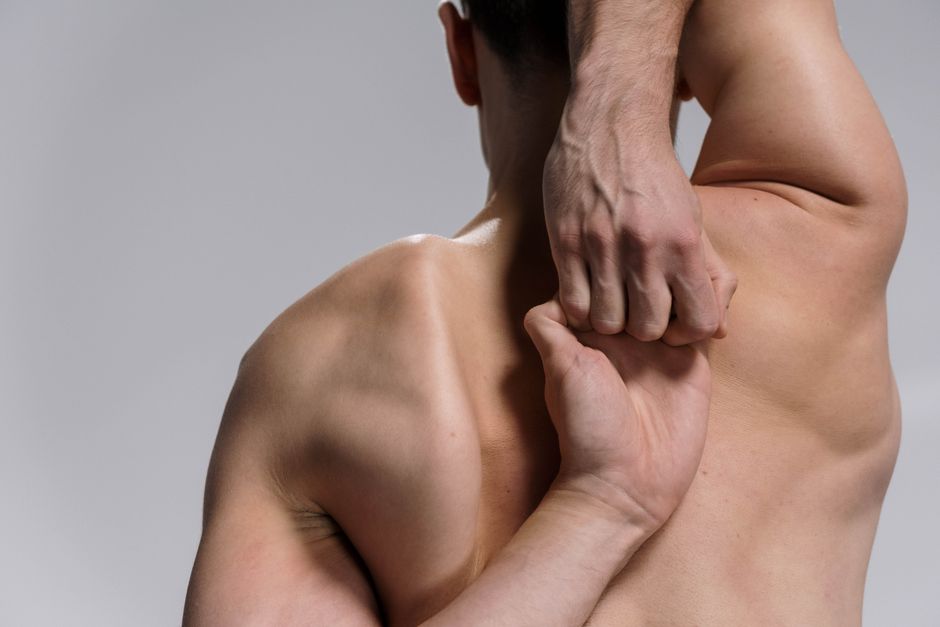
A pulled back muscle usually improves with rest, gentle movement, ice or heat, and time. Most muscle strains in the back are not emergencies, and the first 48 to 72 hours are about calming the tissue down while avoiding anything that makes it worse. Here is what actually helps at home, what to skip, and when a doctor needs to be involved.
What Actually Happens When You Pull a Back Muscle?
A pulled muscle is a strain. The muscle fibers or the tendon that attaches them to bone get stretched or torn. Doctors grade these injuries from mild (grade 1) to severe (grade 3, a full tear). Most home-recoverable back strains are grade 1 or mild grade 2.
When fibers tear, the body sends blood and inflammatory cells to the area. That inflammation is not the enemy. It is the cleanup and repair crew. This is why the old advice to aggressively suppress all inflammation with high-dose medication for days on end has been questioned. Some inflammation is needed for healing.
The pain you feel often comes in two waves. First is the sharp, immediate pain at the moment of injury. Then, over the next 12 to 48 hours, muscles around the injury tighten and spasm. That spasm is the body trying to splint the area. It is protective in theory but often makes pain worse in practice.
Most uncomplicated back strains settle down over days to a few weeks. The exact timeline depends on the severity, your age, and your baseline fitness. Full strength recovery can take longer than pain relief.
How Do You Know It Is a Muscle and Not Something Else?
A muscle strain typically causes pain that is worse with movement, better with rest, and tender to touch in a specific spot. It often follows a clear trigger: lifting something heavy, twisting awkwardly, or a sudden movement.
Not all back pain is muscular. This distinction matters. The spine, discs, nerves, and kidneys can all cause back pain that feels similar at first.
Red flags that point away from a simple strain include:
- Pain that shoots down the leg below the knee, especially with numbness or weakness
- Loss of bladder or bowel control
- Numbness in the groin or inner thigh area
- Fever, chills, or unexplained weight loss with the back pain
- Pain after a fall or major trauma
- History of cancer
- Pain that is worse at night or when lying still
Any of these needs medical evaluation, not home treatment. Cauda equina syndrome, an infection, a fracture, or a kidney problem can all present with back pain. Getting this wrong at home is not worth the risk.
What Is the Best Way To Fix a Pulled Back Muscle At Home?
The core approach is simple: protect the area, control pain, and gradually return to movement. Bed rest beyond a day or two tends to make things worse, not better. Muscles and joints stiffen, and the nervous system becomes more sensitive to pain.
Days 1 to 3
Keep moving gently. Walk around the house. Change positions often. Avoid bed rest for long stretches. If lying down feels better, use it for comfort but do not stay there.
For pain, over-the-counter options include acetaminophen or nonsteroidal anti-inflammatory drugs (NSAIDs) like ibuprofen or naproxen. Follow the label directions. NSAIDs are not appropriate for everyone. People with kidney disease, stomach ulcers, heart conditions, or who take blood thinners should check with a doctor or pharmacist first.
Ice versus heat is a common question. Ice can reduce pain and swelling in the first day or two. Heat relaxes muscle spasm and often feels better after the first 48 hours. There is no strong evidence that one is clearly superior for muscle strains. Use what feels better and does not cause more pain.
Days 3 to 14
Start gentle stretching and movement as pain allows. Move into positions that feel tolerable. Do not force range of motion. The goal is to remind the tissue it can move without threat.
Light activity like walking is usually fine and often helps. Avoid heavy lifting, twisting, and anything that reproduces the sharp pain.
Beyond two weeks
If pain is not improving, or is getting worse, see a healthcare provider. Persistent pain that lasts beyond a few weeks deserves an evaluation. This is not a sign you failed at home care. It may mean something else is going on.




Which Stretches and Movements Help?
Gentle movement is one of the most reliable things you can do. The specific stretch matters less than whether it reduces pain and does not cause sharp sensations.
Common movements people find helpful include:
- Lying on your back with knees bent and feet flat, then slowly tilting the pelvis
- Knees-to-chest stretch, done slowly and only as far as comfortable
- Cat-cow motion on hands and knees, moving within a pain-free range
- Walking short distances several times a day
Stop any movement that causes sharp pain, numbness, or tingling into the legs. These are signs to get evaluated rather than push through.
A physical therapist can give you a tailored program if things are not improving. For many people, a few sessions are enough to get on track. This is not required for a mild strain, but it helps when recovery stalls.
What Should You Avoid While Recovering?
Several common habits slow recovery or make things worse.
Prolonged bed rest is the big one. More than a day or two of lying down tends to increase stiffness and pain sensitivity.
Heavy lifting and twisting can re-injure the area. Wait until pain is largely gone before returning to these.
Pushing through sharp pain is not brave. It is a way to turn a mild strain into a worse one.
Ignoring red flags is the most dangerous mistake. Leg weakness, numbness, or bladder changes are not “just a pulled muscle.”
Some people find that sitting for long periods makes things worse. If that is you, take breaks to stand and walk. A small pillow behind the lower back can help with sitting comfort, though the evidence for specific ergonomic fixes is limited.
When Should You See a Doctor?
See a healthcare provider if any of the following apply:
- Pain is severe or getting worse despite home care
- Pain lasts more than a few weeks without improvement
- You have numbness, tingling, or weakness in the legs
- You have changes in bladder or bowel control
- You have fever, chills, or unexplained weight loss
- The injury followed a fall or significant trauma
- You have a history of cancer or osteoporosis
Some of these suggest a possible emergency. Cauda equina syndrome, for example, is a surgical emergency. It can cause permanent damage if not treated quickly. Bladder or bowel changes with back pain are a reason to seek care immediately, not to wait and see.
For most simple strains, a primary care doctor or urgent care can evaluate you. If nerve symptoms are present, you may be referred to a specialist.
Can You Prevent a Pulled Back Muscle?
You cannot prevent every strain. But some things reduce the odds.
Regular physical activity that includes core and back strengthening helps. Stronger muscles tolerate load better. This is well established in rehabilitation research, though the exact amount of exercise needed is not precisely defined.
Good lifting technique matters. Bend at the knees, keep the load close to your body, and avoid twisting while lifting. This is standard advice, though the evidence that it prevents all injuries is not as strong as you might expect.
Warming up before heavy activity helps. So does not going from zero activity to a very heavy load in one session.
If you have had a strain before, you are at higher risk for another. Building strength gradually after recovery is a reasonable strategy, though specific protocols vary.
Frequently Asked Questions
How long does a pulled back muscle take to heal?
Most mild to moderate strains improve within a few days to a few weeks. Full strength recovery can take longer than pain relief, sometimes several weeks.
Is ice or heat better for a pulled back muscle?
Ice may help with pain and swelling in the first day or two, while heat often feels better for muscle spasm after that. There is no strong evidence that one is clearly superior, so use what feels better and does not worsen pain.
Should I rest or keep moving with a pulled back muscle?
Gentle movement is usually better than prolonged bed rest. Bed rest beyond a day or two tends to increase stiffness and pain sensitivity.
When should I worry about back pain?
Seek care if you have numbness, weakness in the legs, loss of bladder or bowel control, fever, or pain after a fall. These can signal something more serious than a muscle strain.
