
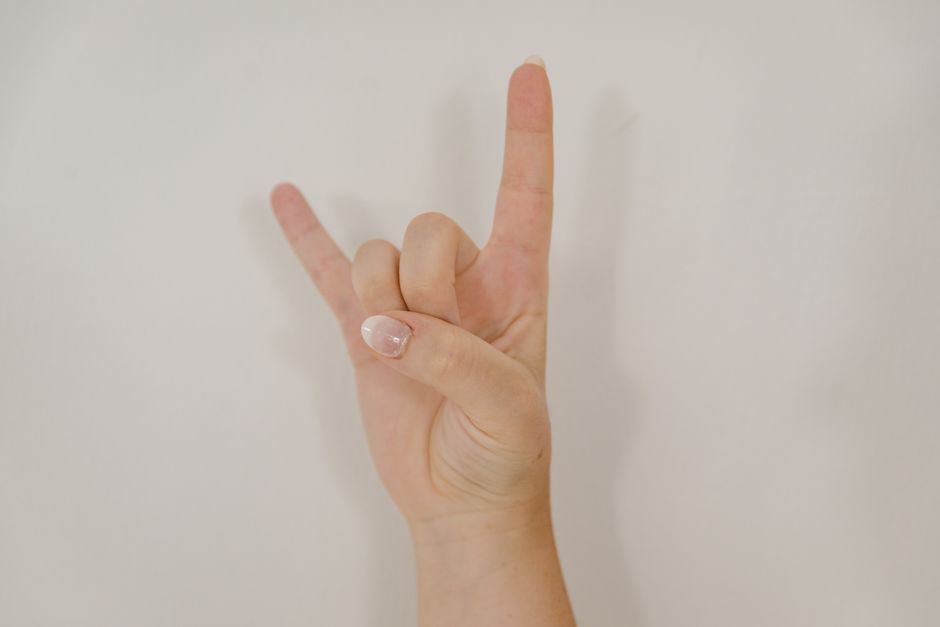
A numb pinky finger usually points to a problem with the ulnar nerve, which runs from your neck down to your hand and controls feeling in your little finger and half of your ring finger. The fix depends on where the nerve is being pressed: at the elbow (the most common spot), at the wrist, or less often in the neck or shoulder. Most cases improve with activity changes, avoiding prolonged pressure on the nerve, and sometimes a splint, but persistent or worsening numbness needs a medical evaluation because long-standing nerve compression can cause lasting weakness.
Which Nerve Causes a Numb Pinky Finger?
The ulnar nerve supplies sensation to your pinky and the ring-finger side of your hand. It also powers most of the small muscles in your hand that let you grip and spread your fingers. When it gets compressed or irritated anywhere along its path, the classic result is numbness or tingling in the little finger and part of the ring finger.
This is different from carpal tunnel syndrome, which affects the median nerve and mostly causes numbness in the thumb, index, and middle fingers. That distinction matters because the two conditions have different causes and different fixes. A numb pinky is much more likely to be an ulnar nerve issue.
There is a detail many people miss. The ulnar nerve passes close to the surface at the inside of your elbow — the “funny bone” spot. Because it sits so shallow there, it is unusually easy to press against bone or a hard surface. That anatomy explains why elbow compression is the most common cause of ulnar nerve symptoms.
Where Is the Nerve Being Compressed?
Finding the level of compression is the first real step, because the fix changes depending on location. The ulnar nerve can be squeezed at several points along its route.
- At the elbow: The most common site. Pressure from leaning on your elbow, keeping it bent for long periods, or resting it on a desk or armrest can irritate the nerve. This is called cubital tunnel syndrome.
- At the wrist: Less common. Compression here is called ulnar tunnel syndrome, sometimes linked to a cyst or repeated pressure on the base of the palm.
- In the neck or shoulder: A pinched nerve root in the neck can produce numbness that reaches the pinky, sometimes with neck or shoulder pain.
Your symptoms give clues. Numbness that worsens when your elbow is bent, like during sleep or a long phone call, points to the elbow. Numbness linked to neck position or arm overhead points higher up. A clinician can often sort this out with an exam, and sometimes nerve tests confirm it.
How To Fix A Numb Pinky Finger From Nerve Compression
The core approach is to take pressure off the nerve and stop the habits that keep irritating it. For mild, recent symptoms, these steps resolve many cases without anything more invasive.
At the elbow, the biggest culprit is prolonged bending. Keeping your elbow bent more than about 90 degrees for long stretches — especially while sleeping — stretches and presses the nerve. A padded elbow splint or a soft wrap that keeps the arm straighter at night is a common first step. Some clinicians recommend a night splint to hold the elbow in a more neutral position. The evidence for splinting is reasonable but not overwhelming, and it works best combined with activity changes.
Avoid leaning on your elbows. This sounds trivial but it is one of the most effective changes. Desk workers who rest their elbows on hard surfaces all day are essentially pressing on the nerve for hours. Use a soft pad or change your setup.
Take breaks from sustained elbow bending. If you talk on the phone with your elbow bent for long calls, switch to a headset. If you sleep with your arms folded or your elbow sharply bent, that overnight position may be doing more harm than your daytime habits.
For wrist-level compression, avoiding repeated pressure on the base of the palm and treating any underlying cyst or swelling matters more. A wrist splint is sometimes used, but the evidence here is limited and it depends on the cause.
When Should You See a Doctor?
See a clinician if the numbness is constant rather than intermittent, if it has lasted more than a few weeks, or if you notice weakness. Weakness is the warning sign that matters most. If you are dropping objects, struggling to spread your fingers, or noticing muscle wasting between your thumb and index finger, that suggests the nerve has been compressed long enough to affect the muscles it controls.
Numbness that comes and goes with position is often manageable with the steps above. Numbness that stays, or that is getting worse, deserves a proper exam. Long-standing ulnar nerve compression can lead to permanent weakness and muscle loss in the hand, and that damage is harder to reverse than numbness.
Also seek care if the numbness follows an injury, if you have diabetes (which raises the risk of nerve problems), or if both hands are affected.
What Does Treatment Look Like If Home Care Isn’t Enough?
When conservative measures fail, clinicians have several options. The choice depends on the site of compression, how severe the nerve damage is, and how long it has been going on.
Physical or occupational therapy can help with nerve gliding exercises and activity modification. Some clinicians use these, though the evidence for exercise alone is limited and it is usually combined with other measures. Corticosteroid injections are sometimes used around the elbow, but the benefit tends to be temporary.
Surgery is considered when symptoms are severe, when there is muscle weakness or wasting, or when conservative treatment has not worked after a reasonable trial. The most common procedure at the elbow releases the tight tissue over the nerve, and sometimes moves the nerve to a less pressured position. Outcomes are generally good when surgery is done before permanent muscle damage sets in, which is another reason not to ignore persistent weakness.
This is where honesty matters. Not everyone needs surgery, and not everyone improves with home care alone. The decision should rest on an exam and, when unclear, nerve conduction studies that show how badly and where the nerve is affected.
What Makes Nerve Compression Worse?
Certain habits and conditions keep the nerve irritated and slow recovery. Recognizing them is part of the fix.
- Resting elbows on hard desks, armrests, or windowsills for long periods
- Sleeping with elbows tightly bent or arms folded under the body
- Prolonged phone use with a bent elbow
- Repeated leaning or pressure on the base of the palm
- Diabetes, which makes nerves more vulnerable to compression
- Prior elbow fractures or arthritis that change the shape of the joint
Some of these are easy to change. Others, like diabetes or an old injury, need to be managed rather than avoided. In those cases, protecting the nerve from added pressure matters even more.
Can a Numb Pinky Finger Get Better on Its Own?
Mild, position-related numbness often improves once the pressure is removed, sometimes within days to a few weeks. That is the good news for people whose symptoms only appear after leaning on an elbow or sleeping in an awkward position.
The honest caveat: numbness that has been present for months, or that comes with weakness, is less likely to resolve without treatment. Nerve tissue recovers slowly when it recovers at all, and prolonged compression can cause changes that do not fully reverse. This is why early changes to habits and an early exam, if symptoms persist, are worth the effort.
There is no guaranteed timeline. Recovery depends on how long the nerve was compressed, how severely, and whether the underlying cause is removed. Some people notice steady improvement over weeks. Others need medical treatment to get there.
Frequently Asked Questions
What causes numbness in the pinky finger?
The most common cause is compression of the ulnar nerve, often at the elbow. Less often it comes from the wrist or a pinched nerve in the neck.
Is a numb pinky finger serious?
Intermittent numbness that comes and goes with position is usually not an emergency. Constant numbness, weakness, or muscle wasting in the hand should be checked by a doctor promptly.
How do you relieve ulnar nerve pain at home?
Avoid leaning on your elbows, take breaks from prolonged elbow bending, and consider a night splint to keep the elbow straighter while you sleep. Persistent symptoms need a medical evaluation.
Can ulnar nerve compression heal without surgery?
Many mild cases improve with activity changes and avoiding pressure on the nerve. Cases with weakness or long-standing numbness are more likely to need medical treatment, and some require surgery.
