
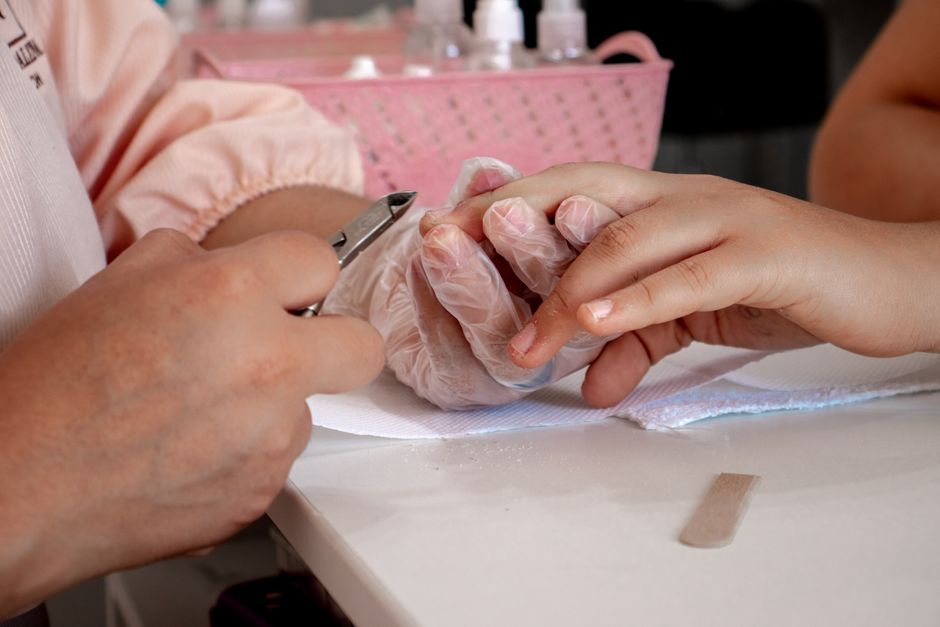
A split nail can be frustrating and sometimes painful. The fix depends entirely on where the split is and what caused it. For a shallow split near the tip, careful filing and a protective layer may be enough. For a deep split into the nail bed, a professional repair or medical evaluation is often the safer choice. The most important step is understanding why the nail split in the first place, because treating the symptom without addressing the cause usually leads to a repeat problem.
What Causes a Nail to Split?
Nails split for a few common reasons. Frequent wet-dry cycles are a major culprit. Washing hands, doing dishes, or showering causes the nail to swell. When it dries, it contracts. Over time, this repeated swelling and shrinking weakens the nail plate and creates tiny cracks that grow into visible splits.
Physical trauma is another leading cause. Catching a nail on clothing, using the nail as a tool to open something, or even aggressive filing can create a split. The nail plate is made of layers of keratin. When those layers separate, you get a split that can run vertically or horizontally.
Nutritional deficiencies can contribute, though they are less common than people think. Biotin, iron, and certain proteins play a role in nail health. However, a healthy diet usually provides what the nail needs. If you are eating a balanced diet, a vitamin deficiency is unlikely to be the primary cause of a single split nail.
Underlying conditions matter too. Thyroid disorders, psoriasis, and fungal infections can all change nail structure and make splitting more likely. If you have multiple nails splitting, discoloration, or thickening, a medical evaluation is warranted rather than home treatment.
How To Fix A Nail That Splits Depending on Location
The location of the split determines the best repair method. A split that stays within the free edge — the white part past the fingertip — is the easiest to manage. You can simply file the nail down below the split or smooth the edges to prevent further tearing.
A split that extends into the pink part of the nail bed is more serious. This area contains blood vessels and nerve endings. Repairing this type of split requires more care because the nail needs structural support while it grows out.
Splits that reach the cuticle or the base of the nail are the most concerning. These can expose the nail matrix, which is the tissue that produces new nail cells. Damage here can affect future nail growth permanently. These splits often require professional care.
Horizontal splits, also called onychoschizia, are different from vertical splits. They appear as layers peeling away from the top edge of the nail. This condition is usually caused by repeated moisture exposure or trauma from manicuring tools. The treatment focuses on protecting the nail and allowing the layers to reattach as the nail grows.
Home Repair Methods That Actually Work
For a shallow split that does not reach the nail bed, the tea bag method is a well-established temporary fix. Cut a small piece of a tea bag to cover the split. Apply a thin layer of nail glue or clear nail polish to the nail, place the tea bag piece over the split, and seal it with another layer of glue or polish. This creates a splint that holds the nail together while it grows.
Nail glue alone can work for minor splits. Apply a small amount directly into the crack and press the edges together. Hold for a few seconds until dry. This works best when the split is clean and the edges line up properly.
Clear nail polish or a ridge-filling base coat can provide enough protection for very superficial splits. The polish acts as a barrier that prevents snagging and gives the nail a smooth surface. Reapply every few days as the nail grows.
For splits at the side of the nail, a nail wrap is often more effective than glue alone. A wrap uses a piece of silk, fiberglass, or linen applied with adhesive to create a stronger splint. These are available in drugstores and are commonly used by nail technicians.
One important caution: never use super glue meant for household repairs on your nails. The formulations are different from nail-specific adhesives and can cause skin irritation or allergic reactions. Use products designed for nail repair.




When To See a Doctor or Nail Professional
Some splits require professional attention. If the split is deep into the nail bed, bleeds, or causes significant pain, see a healthcare provider. A deep split can become infected, and signs of infection include redness, swelling, warmth, or discharge.
If you have diabetes or a condition that affects circulation, do not attempt home repairs on deep splits. Your risk of infection is higher, and small problems can escalate quickly. Professional evaluation is the safer path.
If the split keeps returning in the same spot, a structural issue may be present. A nail technician can apply a professional wrap or acrylic overlay that provides weeks of protection while the nail grows. This is a common and effective approach for chronic splits.
If multiple nails are splitting, peeling, or showing color changes, see a dermatologist. This pattern suggests a systemic issue rather than a single trauma event. Blood tests may be needed to check for thyroid function, iron levels, or other conditions that affect nail health.
How To Prevent Future Splits
Prevention is more effective than repair. The single most impactful habit is reducing water exposure. Wear gloves when washing dishes or cleaning. When you do get your hands wet, dry them thoroughly and apply a moisturizer or cuticle oil while the nail is still slightly damp.
Use a glass nail file instead of a metal one. Glass files create a smoother edge that is less likely to catch and tear. File in one direction rather than sawing back and forth, which can separate the keratin layers.
Keep nails at a moderate length. Very long nails are more likely to snag and split because they act as levers that put stress on the attachment point. Shorter nails are structurally stronger.
Moisturizing is essential. Nails contain about 18 percent water. When they drop below that level, they become brittle and prone to splitting. A hand cream with ingredients like shea butter, lanolin, or jojoba oil applied daily can make a measurable difference.
Be careful with acetone-based nail polish removers. They strip oils from the nail plate and contribute to dryness. Use acetone-free removers or limit polish changes to reduce exposure.
Do Nail Supplements Help Prevent Splitting?
Biotin is the supplement most often associated with nail health. Some research suggests that high doses of biotin — around 2.5 milligrams daily — may improve nail thickness and reduce splitting in people with brittle nails. However, the evidence base is limited, and results vary between individuals.
No clinical guidelines currently exist for biotin supplementation specifically for nail health. The studies that showed benefit used doses far higher than what is in typical multivitamins. If you are considering biotin, discuss it with your doctor first, especially because biotin can interfere with certain lab tests, including thyroid function tests.
Iron deficiency can cause brittle or spoon-shaped nails. If you have other symptoms of low iron — fatigue, pale skin, cold hands — a blood test can confirm whether supplementation is appropriate. Taking iron without a confirmed deficiency can cause constipation and other side effects without benefit.
Collagen supplements are marketed heavily for nail and skin health. Some small studies suggest benefit, but the evidence is not strong enough to recommend them as a reliable treatment for split nails. The body breaks down ingested collagen into amino acids and does not direct those specifically to the nails.
Myths About Split Nails That You Should Ignore
One common myth is that soaking nails in gelatin or eating gelatin powder strengthens them. Gelatin is a protein, but the body digests it into amino acids and distributes them where needed. There is no evidence that gelatin specifically benefits nails.
Another myth is that nail hardeners are always beneficial. Many hardeners contain formaldehyde, which can actually make nails more brittle over time. If you use a hardener and notice increased splitting, stop using it.
Some people believe that breathing through the nails or applying certain oils can “oxygenate” the nail. Nails are dead keratin and do not breathe. They receive no oxygen directly. Oils help by moisturizing, not by oxygenation.
Finally, the idea that a single split nail means a serious vitamin deficiency is usually wrong. A single split from trauma or dryness is normal. Widespread nail changes across multiple fingers are more concerning and deserve medical attention.
Frequently Asked Questions
Can I fix a split nail with nail glue?
Yes, nail-specific glue can repair a shallow split by bonding the edges together. Do not use household super glue, which can irritate the skin.
How long does it take for a split nail to grow out?
Fingernails grow about 1 millimeter per month on average, so a split nail takes roughly 3 to 6 months to fully grow past the fingertip. Toenails grow slower and can take up to a year.
Should I cut off a split nail or file it?
If the split is in the free edge, filing it smooth is better than cutting because cutting can create a new stress point. If the split extends into the nail bed, do not cut it yourself — see a professional.
Is a split nail a sign of a vitamin deficiency?
A single split nail is usually from dryness or trauma, not a deficiency. Multiple nails splitting or peeling may indicate low iron, biotin, or an underlying thyroid condition.
