
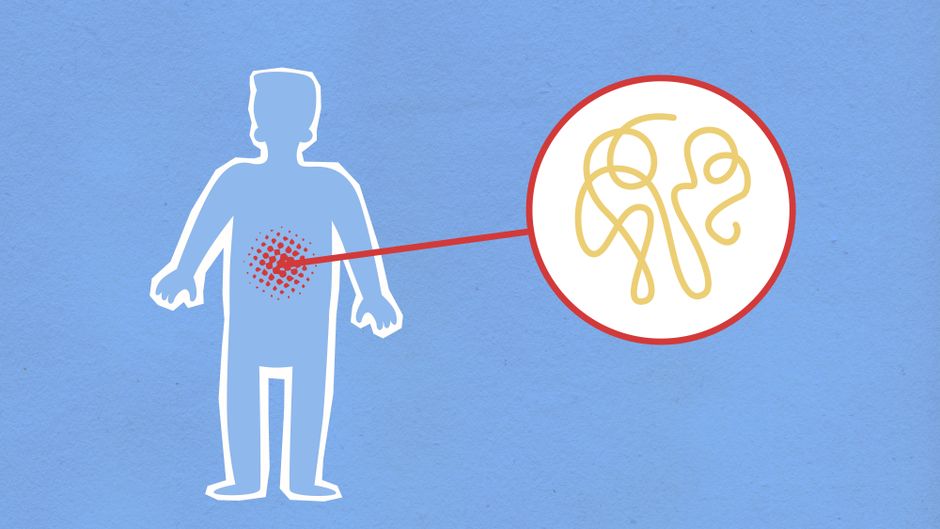
A distended stomach is a visible swelling of the belly caused by gas, fluid, stool, or changes in how the abdominal muscles and gut work together. Most cases are tied to digestion and are not dangerous. Relief usually comes from identifying the cause — gas, constipation, swallowed air, food intolerance, or a functional gut condition — and treating that cause rather than the swelling itself.
It helps to separate two things people often use interchangeably. Bloating is the feeling of fullness and tightness. Distension is the measurable increase in belly size. You can feel bloated without your belly getting bigger, and your belly can look larger without much discomfort. Knowing which one you have points to different causes.
What Actually Causes A Distended Stomach?
Gas and stool are the most common causes. When gas builds up in the intestines, the belly can visibly expand. The same happens when stool backs up in the colon. Both are common and usually temporary.
The gut normally holds a few hundred milliliters of gas at any time. That gas comes from two sources: air you swallow and gas produced when gut bacteria ferment carbohydrates that your small intestine did not fully absorb. Most of this is normal physiology, not a sign of disease.
Several other things can make the belly swell:
- Swallowed air. Eating fast, talking while eating, chewing gum, and drinking carbonated beverages all add air to the stomach.
- Constipation. Stool and gas collect behind a slow-moving colon.
- Carbohydrate malabsorption. Lactose, fructose, and some sugars in beans and certain vegetables can reach the colon undigested and ferment there.
- Irritable bowel syndrome (IBS). Distension is a recognized feature, especially in the constipation-predominant type.
- Small intestinal bacterial overgrowth (SIBO). A condition where bacteria multiply in the small intestine where they normally do not live in large numbers. Diagnosis is debated and testing is imperfect.
- Fluid retention. Ascites, a buildup of fluid in the abdomen, is different from gas. It is a sign of an underlying condition and needs medical evaluation.
- Abdominal wall changes. Weakened abdominal muscles can let the belly protrude more.
One clarification worth knowing: a distended stomach is not usually a “stomach” problem at all. The stomach is a single organ high in the abdomen. Most visible belly swelling comes from the intestines, which sit lower and hold far more volume.
How To Fix A Distended Stomach? Causes And Relief
Relief depends on matching the fix to the cause. For simple gas and bloating, several approaches have reasonable evidence behind them.
Adjust how you eat
Eating more slowly reduces swallowed air. So does avoiding gum and carbonated drinks. These are simple changes with a clear mechanism, though the effect varies from person to person.
Treat constipation first
If your bowels are not moving regularly, that is often the root of the swelling. Increasing fiber gradually, drinking enough water, and staying physically active are standard first steps. Some clinicians recommend fiber supplements, but the evidence for which type works best is mixed, and some people find certain fibers make gas worse before it gets better.
Review fermentable carbohydrates
A diet low in fermentable carbohydrates — often called a low-FODMAP diet — has the best evidence of any dietary approach for reducing bloating and distension in people with IBS. Research published in journals including Gastroenterology has found it reduces symptoms in a meaningful share of patients.
The important caveat: this is a short-term elimination diet that should be done with a dietitian and then reintroduced step by step. Staying on it long term can narrow your diet and affect the gut microbiome.
Consider over-the-counter options
Simethicone is widely sold for gas. The evidence that it reliably reduces bloating is weak. Some studies suggest peppermint oil capsules may help IBS-related bloating, but results vary. No over-the-counter product has been shown to cure distension across all causes.
Check for food intolerances
Lactose intolerance is common and often missed. A trial of reducing dairy, or using lactose-free products, can clarify whether it is a factor. If symptoms improve clearly, that is useful information. If not, you have ruled something out.
When Is A Distended Stomach A Medical Concern?
Most bloating is harmless. Some signs mean you should see a doctor rather than manage it at home.
Seek medical evaluation if you have:
- Distension that is new, persistent, or getting worse
- Unintentional weight loss
- Blood in the stool or black stools
- Severe or worsening abdominal pain
- Vomiting, especially if you cannot keep fluids down
- Fever
- Swelling that is firm rather than soft and gassy
- A history of abdominal surgery, cancer, or liver disease
These do not mean something serious is present. They mean the cause needs to be identified rather than assumed. A physical exam and basic tests can usually sort out whether the swelling is gas, fluid, or something else.
In people over 50, new and persistent bloating with a change in bowel habits is worth a conversation with a clinician, especially if there are other symptoms. This is standard clinical caution, not a prediction.
Does Diet Alone Fix Distension?
Diet helps many people, but it is not the whole picture. Distension involves how the abdominal wall and diaphragm respond to what is happening inside the gut.
In some people, especially those with IBS, the abdominal muscles relax abnormally when gas enters the intestine, letting the belly push outward more than it should. This is a reflex and muscle coordination issue, not just a gas volume issue. That is why two people can have the same amount of intestinal gas and only one shows visible distension.
This matters for expectations. If your distension is driven by this muscle response, dietary changes may reduce the trigger but not fully resolve the visible swelling. Some clinicians use breathing and pelvic floor exercises for this, but the evidence base is still developing and it is not a proven standalone treatment.
What About Probiotics And Supplements?
The evidence for probiotics in bloating is mixed. Some strains show benefit in some studies, and results do not consistently carry across products or people. Probiotic supplements are not standardized, so the strain and dose in one product may not match what was studied.
No supplement has strong evidence for curing distension across causes. Be cautious with products marketed as bloat remedies. Many make claims that no human trial has confirmed.
If you want to try a probiotic, it is reasonable to discuss it with a clinician, especially if you have a weakened immune system or a serious illness, where probiotics carry some risk.
Practical Steps That Help Most People
For everyday bloating and distension, a few changes cover most of the ground:
- Eat slowly and avoid drinking through straws or chewing gum
- Cut back on carbonated drinks
- Keep bowels regular with gradual fiber increases and adequate water
- Notice which foods reliably trigger symptoms and reduce them
- Stay physically active — movement helps gas pass through the gut
- Consider a food and symptom diary for a few weeks to spot patterns
If symptoms persist despite these steps, or if any warning signs appear, get evaluated. The goal is not to suppress the swelling but to understand what is driving it.
Frequently Asked Questions
How do you get rid of a distended stomach fast?
Passing gas, having a bowel movement, and lying down or walking can relieve simple gas-related swelling within hours. There is no fast fix for distension caused by constipation or IBS, which usually needs days to weeks of consistent changes.
What is the difference between bloating and distension?
Bloating is the feeling of fullness or tightness, while distension is an actual increase in belly size. You can have one without the other, and the distinction helps identify the cause.
Can a distended stomach be a sign of something serious?
Most cases are not serious and come from gas, stool, or digestion. New, persistent, or worsening swelling with weight loss, blood in the stool, or severe pain should be checked by a doctor.
Does a low-FODMAP diet help a distended stomach?
It has the strongest evidence of any diet for reducing bloating and distension, particularly in IBS. It should be followed short term with a dietitian and then reintroduced gradually rather than kept indefinitely.
