
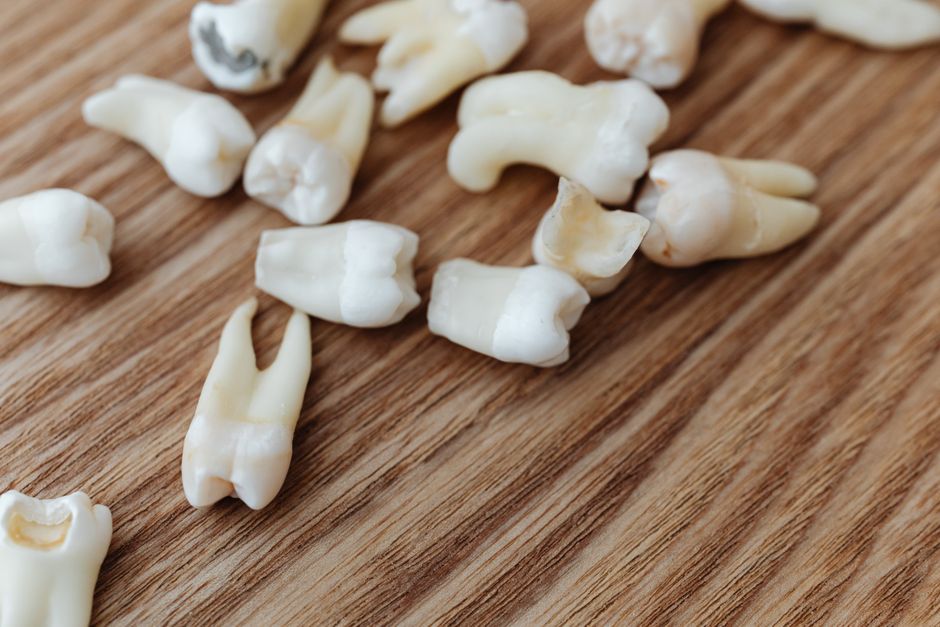
Tooth decay does not fix itself. Once enamel is lost, your body cannot grow it back. The right treatment depends entirely on how far the decay has progressed. Early decay can be reversed with fluoride and better oral care. Once a cavity forms, a dentist must remove the damaged tissue and fill the hole. If decay reaches the inner pulp, a root canal or extraction becomes necessary. The earlier you act, the simpler and cheaper the fix.
What Actually Happens When a Tooth Decays
Tooth decay is a bacterial infection. Specific bacteria in your mouth feed on sugars from food and drink. As they digest those sugars, they produce acid. That acid pulls minerals out of your enamel in a process called demineralization.
Your saliva normally repairs this damage by putting minerals back. This is called remineralization. Decay happens when acid attacks happen too often and too long for saliva to keep up. The enamel weakens, then breaks down, and a cavity forms.
This process takes time. It can take months or even years for a small spot of demineralization to become a visible hole. That slow timeline is good news — it means you usually have a window to stop decay before it causes serious damage.
Stage 1: Early Demineralization — White Spots
The first visible sign of decay is often a chalky white spot on the tooth. This is where enamel has lost minerals but has not yet formed a hole. At this stage, the damage is reversible.
Fluoride is the key tool here. Fluoride helps remineralize weakened enamel and makes it more resistant to future acid attacks. Most tap water in the US contains fluoride. Most toothpaste does too.
What you can do at this stage:
- Brush twice a day with fluoride toothpaste
- Floss daily to remove plaque between teeth
- Cut back on sugary drinks and snacks
- Consider a prescription fluoride toothpaste from your dentist
Your dentist may also apply a fluoride varnish to the affected tooth. This is a quick, painless treatment that puts a concentrated layer of fluoride directly on the enamel. Research consistently shows this can stop early decay from progressing.
Do not skip the dental visit. White spots are not always decay. They can also be caused by enamel development issues or early fluorosis. A dentist needs to look at the tooth to know what you are actually dealing with.
Stage 2: Enamel Cavity — A Hole Has Formed
Once the enamel breaks and a hole forms, the decay cannot be reversed. At this point, the tooth needs a filling. The dentist removes the decayed tissue and fills the space with a restorative material.
Fillings are typically made of composite resin, amalgam, or glass ionomer. Composite resin is the most common choice for visible teeth because it matches your natural tooth color. Amalgam is silver-colored and extremely durable, often used for back teeth. Glass ionomer releases fluoride and is sometimes used for certain situations, especially in children.
The filling procedure is straightforward. Your dentist numbs the area, removes the decay with a drill or laser, cleans the cavity, and places the filling material. The whole process usually takes under an hour. You can eat and drink normally once the numbness wears off.
Do not wait to get a cavity filled. Small cavities are easy to treat. Large ones are not. The longer you wait, the deeper the decay goes, and the more tooth structure you lose.





Stage 3: Decay Reaches Dentin — The Tooth Gets Sensitive
Under the enamel is a softer layer called dentin. Dentin is less mineralized than enamel, so decay spreads through it faster. When decay reaches dentin, you may notice sensitivity to hot, cold, or sweet foods.
At this stage, a standard filling may still work — if the decay has not gone too deep. But the cavity is bigger, and the dentist must remove more tooth structure. Sometimes the dentist will place a temporary filling first to see how the tooth responds before doing the permanent restoration.
If the decay is extensive, your dentist may recommend an inlay, onlay, or crown instead of a simple filling. Inlays and onlays are custom-made restorations that fit into or over the damaged area. A crown covers the entire visible part of the tooth. These options are stronger than fillings and protect the remaining tooth structure better when the damage is significant.
Sensitivity does not always mean deep decay. It can also be caused by gum recession, aggressive brushing, or teeth grinding. But if you have a known cavity and it starts hurting, that is a sign the decay is progressing. See a dentist promptly.
Stage 4: Decay Reaches the Pulp — Root Canal Territory
The pulp is the innermost part of the tooth. It contains nerves and blood vessels. When decay reaches the pulp, the tooth becomes infected. This is when you get a severe toothache — often a throbbing pain that keeps you awake at night.
At this stage, a filling is no longer enough. The pulp is infected and must be removed. This is the root canal procedure.
During a root canal, the dentist or endodontist:
- Numbs the tooth completely
- Opens the top of the tooth to access the pulp
- Removes the infected pulp tissue
- Cleans and disinfects the root canals
- Fills the empty canals with a rubber-like material
- Seals the tooth and usually places a crown
Root canals have a reputation for being painful, but modern anesthesia makes them comparable to getting a filling. The pain people fear is usually the toothache before the procedure — not the procedure itself.
After a root canal, the tooth is technically dead. It has no nerve or blood supply. But it stays in place and functions normally. With a proper crown, a root-canaled tooth can last for decades.
Stage 5: Abscess — Infection Spreads Beyond the Tooth
If pulp infection is left untreated, bacteria can spread through the root tip into the bone around the tooth. This forms an abscess — a pocket of pus. An abscess is a serious medical condition.
Symptoms of a dental abscess include:
- Severe, persistent toothache
- Pain that radiates to the jaw, ear, or neck
- Swelling in the face or cheek
- Fever
- A bad taste in the mouth or foul-smelling breath
An abscess will not go away on its own. It requires professional treatment. The dentist may drain the abscess, perform a root canal, or extract the tooth. Antibiotics may be prescribed to control the infection, but antibiotics alone do not cure the problem — the source of the infection must be removed.
If you have facial swelling, difficulty breathing, or difficulty swallowing, go to an emergency room immediately. These can be signs of a life-threatening infection spreading to other parts of the body.
Stage 6: Tooth Too Damaged to Save — Extraction
Sometimes decay destroys too much of the tooth to save it. When this happens, the tooth must be pulled. Extraction is the last resort, but it is sometimes the only safe option.
After extraction, you have choices for replacing the tooth. Doing nothing is an option, but it comes with consequences. Adjacent teeth can shift, your bite can change, and the jawbone in that area can shrink over time.
Common replacement options include:
- Dental implant — a titanium post placed in the jawbone with a crown on top. This is the closest option to a natural tooth.
- Bridge — a false tooth anchored to the adjacent teeth. This is less invasive than an implant.
- Partial denture — a removable appliance that replaces one or more missing teeth.
Each option has pros and cons. Implants are usually the most durable but require surgery and cost more. Bridges require grinding down healthy adjacent teeth. Dentures are the least expensive but are removable and less stable.
How To Fix A Decaying Tooth At Every Stage — Summary Table
| Stage | What’s happening | Treatment |
|---|---|---|
| Early demineralization | White spots on enamel, no hole | Fluoride treatment, better oral hygiene |
| Enamel cavity | Small hole in enamel | Filling |
| Dentin decay | Larger cavity, sensitivity | Filling, inlay, onlay, or crown |
| Pulp infection | Severe pain, infection inside tooth | Root canal and crown |
| Abscess | Infection in jawbone, swelling | Drainage, root canal, antibiotics, or extraction |
| Unsaveable tooth | Too much structure destroyed | Extraction and replacement |
Can You Reverse Tooth Decay at Home?
No. You cannot reverse a cavity at home. Once enamel has broken down and a hole exists, your body cannot repair it. No toothpaste, mouthwash, or home remedy will regrow enamel that is gone.
What you can do at home is stop the decay from getting worse. Fluoride toothpaste, flossing, and reducing sugar intake all slow the progression of decay. But they do not fix the hole. That requires a dentist.
Be wary of products claiming to “heal” cavities naturally. Some toothpastes contain ingredients that remineralize early-stage decay, which is real. But no product can fill an existing hole. If a product promises to cure cavities without dental treatment, that claim is not supported by evidence.
Oil pulling, vitamin D supplements, and dietary changes may support oral health in general, but none of them remove decay or repair a cavity. The only proven treatment for an existing cavity is a dental restoration.
Why You Should Not Delay Dental Care
Tooth decay is progressive. It does not stabilize on its own. A small cavity that costs $200 to fill today can become a root canal that costs $1,500 in a year. It can become an extraction and implant that costs thousands more.
Cost is one reason people delay. Another is fear. Both are understandable. But the reality is that early treatment is less painful, less expensive, and less invasive than late treatment. The tooth you save by acting early is the tooth you do not have to replace later.
If cost is a concern, talk to your dentist. Many offer payment plans. Dental schools provide low-cost care. Some community health centers offer sliding-scale fees. There are options — but they only work if you reach out.
Frequently Asked Questions
Can a decaying tooth be saved?
Yes, if the decay has not destroyed too much of the tooth. Fillings, crowns, and root canals can all save teeth at different stages of decay.
How long can tooth decay go untreated?
There is no safe timeline. Decay progresses at different rates for different people, but it always gets worse without treatment.
Does a cavity always need a filling?
No. Very early decay that has not formed a hole can sometimes be reversed with fluoride treatment and better oral hygiene.
What happens if you leave a decaying tooth too long?
The decay spreads deeper into the tooth, eventually reaching the pulp and causing infection. This can lead to an abscess, which is a serious medical condition.
