
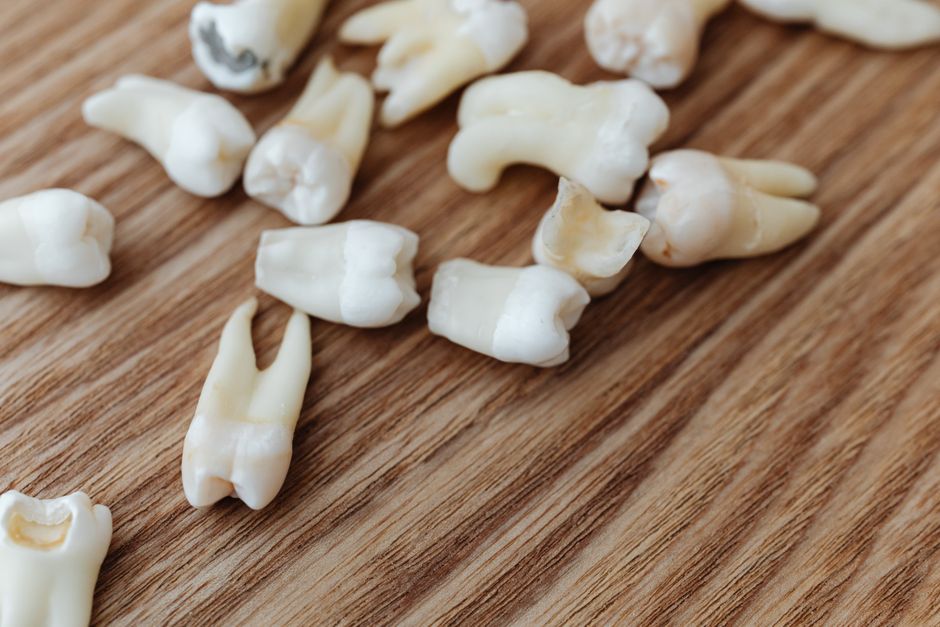
A broken tooth needs to be seen by a dentist. The right fix depends on how much tooth is left and where the break is. Small chips are often repaired with dental bonding in a single visit. Larger breaks that expose the inner tooth or reach below the gumline usually need a crown. A tooth that is loose, badly fractured, or bleeding needs urgent care the same day.
There is no safe do-it-yourself repair. Glue, filing, and over-the-counter kits can cause more damage and delay treatment. The sections below explain what each repair involves, how dentists decide between them, and what to do while you wait to be seen.
What Should You Do Right After a Tooth Breaks?
Call a dentist and get an appointment. Most breaks are not emergencies, but a few are, and the difference matters.
Save any broken piece and bring it with you. Rinse your mouth with warm water. If there is bleeding, apply gentle pressure with clean gauze. A cold compress on the outside of the cheek can ease swelling.
See a dentist the same day if any of these apply:
- The break is large enough that you can see a pink or red center. That is the pulp, the tissue that holds nerves and blood vessels.
- You have lasting pain, or pain that wakes you at night.
- The tooth is loose or has shifted position.
- Bleeding does not stop with pressure.
- The break involves the jaw or you cannot open your mouth normally.
For a small chip with no pain, a routine appointment within a few days is usually reasonable. A sharp edge can cut your tongue or cheek in the meantime. Dental wax from a pharmacy, or sugar-free gum pressed over the edge, can protect the soft tissue until you are seen.
Do not ignore a break even if it does not hurt. A fracture that exposes the inner tooth can stay quiet for a while and then become infected. Pain is not a reliable guide to how serious a break is.
How Does Dental Bonding Fix a Broken Tooth?
Bonding rebuilds a small break with a tooth-colored resin. The dentist roughens the surface, applies a conditioning agent, then builds the resin in layers and hardens each layer with a special light. The result is shaped and polished to match the tooth.
Bonding is usually done in one visit and needs no drilling in many cases. It is most suitable for:
- Small chips on front teeth
- Minor gaps or uneven edges
- Breaks that do not reach the inner tooth
The trade-off is durability. Bonding resin is not as strong as a crown or a veneer. It can chip, stain, or wear over time, and it may need touching up or replacing. How long it lasts depends on where the tooth sits, how much force it takes when you bite, and your habits. Habits like nail biting, chewing ice, or opening packages with your teeth shorten its life.
Bonding is generally the least expensive of the repair options, but cost varies widely by region and practice. Ask for a written estimate before treatment.
When Is a Crown the Better Choice?
A crown covers the whole tooth. It is the standard repair when too much tooth is missing for bonding or a filling to hold.
Dentists typically recommend a crown when:
- The break is large and weakens the tooth
- The fracture reaches below the gumline
- The tooth has had a root canal and needs protection
- The break exposes the inner tooth and the remaining structure is thin
A crown is usually done over two visits. The dentist shapes the tooth, takes an impression or a digital scan, and fits a temporary crown. A dental lab makes the permanent crown, which is cemented at the second visit. Some practices can make crowns in a single visit with in-office milling equipment.
Crowns are stronger and longer-lasting than bonding, but they cost more and involve more of the tooth being reduced. The choice between bonding and a crown is not about which is better in general. It is about how much healthy tooth remains.
What If the Break Reaches the Nerve?
If the fracture exposes the pulp, the tooth needs more than a surface repair. The exposed tissue can become infected, and that infection can spread.
In this situation the dentist may recommend root canal treatment before placing a crown. Root canal treatment removes the damaged pulp, cleans and seals the inside of the tooth, and relieves pain. The tooth then usually needs a crown because it becomes more brittle without its blood supply.
Not every exposed nerve means a root canal. If the break is fresh and the pulp is healthy, some dentists can seal it directly. This is a clinical judgment based on how long the tooth has been broken, how deep the break goes, and the condition of the pulp. Ask your dentist to explain which option applies to you and why.
If the fracture runs vertically down the root, the tooth often cannot be saved and extraction may be the only option. A vertical root fracture is one of the few breaks where saving the tooth is not realistic. Your dentist can usually tell from an exam and X-rays.
Bonding vs Crown vs Other Repairs: How Do They Compare?
There are several ways to repair a broken tooth. The right one depends on the size and location of the break, the health of the tooth, and your budget.
| Repair | Best for | Typical visits | Durability |
|---|---|---|---|
| Bonding | Small chips, minor cosmetic breaks | One | Lower; can chip and stain |
| Filling | Small to moderate breaks on back teeth | One | Moderate |
| Crown | Large breaks, weak teeth, after root canal | One to two | High; covers the whole tooth |
| Veneer | Front teeth with cosmetic damage | Two or more | High for front teeth |
| Root canal plus crown | Breaks that expose the pulp | Two or more | High; saves the tooth |
| Extraction and replacement | Vertical root fractures, unsalvageable teeth | Varies | Replacement options include implant or bridge |
Veneers are thin shells bonded to the front of teeth. They are strong and look natural, but they remove more tooth surface than bonding and are mainly a cosmetic option for front teeth.
Extraction is a last resort. When a tooth cannot be saved, replacing it matters. Missing teeth can shift and affect your bite over time. An implant or a bridge are the common replacements, and both have their own costs and timelines.
Can You Fix a Broken Tooth at Home?
No. Home repair kits sold online and in stores are not a substitute for dental treatment. No clinical evidence supports using them to repair a broken tooth.
Dental glue, superglue, and DIY filling putty can trap bacteria, irritate the gum, and make the break harder to repair later. Filing a sharp edge with a nail file or emery board can remove enamel and expose the sensitive layer underneath. That makes the tooth more sensitive and harder to fix.
The only reasonable home steps are temporary comfort measures: dental wax over a sharp edge, a cold compress for swelling, and over-the-counter pain relief as directed on the label. These do not fix the tooth. They buy time until you see a dentist.
One clarification worth knowing: a broken tooth does not heal on its own the way a bone does. Enamel and dentin cannot regrow. Any repair is a restoration, not a cure, and it needs to be done by a dentist.
How Can You Prevent Another Broken Tooth?
Most breaks happen on teeth that were already weakened. Enamel that has been eroded, worn, or repaired before is more likely to fracture.
Steps that help:
- Wear a mouthguard for contact sports and for teeth grinding at night.
- Avoid chewing ice, hard candy, and unpopped popcorn kernels.
- Do not use your teeth to open packages or tear things.
- Keep up with regular dental checkups so small cracks and worn fillings are found early.
- Limit sugary drinks and acidic foods that soften enamel over time.
Grinding your teeth at night is a common cause of cracks that show up later. Many people do not know they grind. A dentist can often spot the wear pattern during an exam. A night guard does not stop grinding, but it cushions the teeth and lowers the force on them.
If you have had a tooth repaired before, treat that tooth with extra care. Repaired teeth are more likely to break again than untouched ones.
Frequently Asked Questions
Can a broken tooth heal on its own?
No. Enamel and dentin cannot regrow, so a broken tooth needs a dentist to repair it. Waiting can allow infection to set in if the inner tooth is exposed.
How much does it cost to fix a broken tooth?
Cost varies widely by region, the type of repair, and whether insurance covers it. Bonding is generally the least expensive option and a crown costs more. Ask your dentist for a written estimate before treatment.
Is a broken tooth always an emergency?
No. A small chip with no pain can usually wait a few days for a routine visit. A large break, exposed inner tooth, loose tooth, or bleeding that will not stop needs same-day care.
Can I glue a broken tooth back together?
No. Home glues and repair kits are not safe for dental use and can trap bacteria or damage the tooth. See a dentist for a proper repair.
