
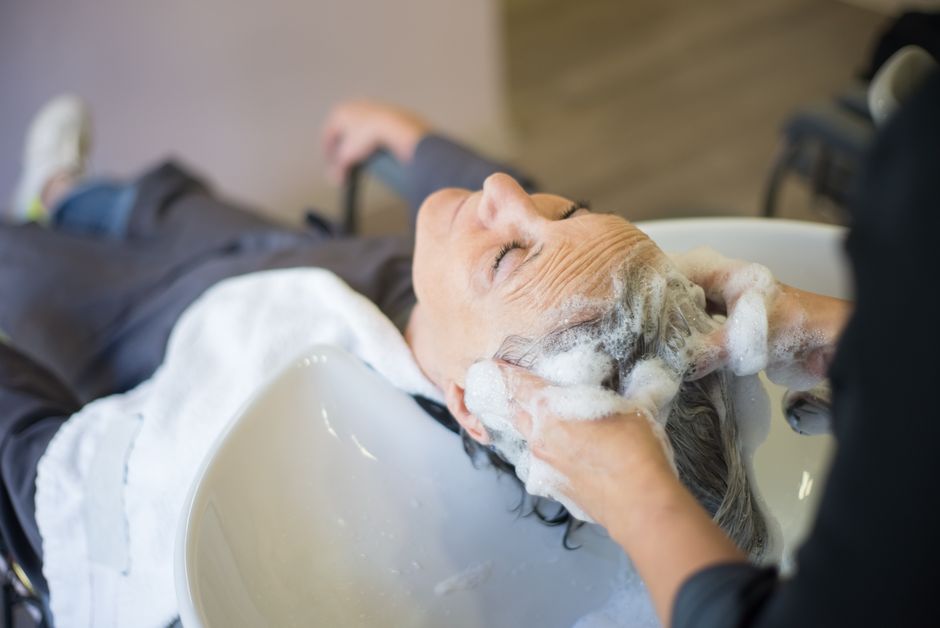
Finding the right shampoo comes down to two things: how oily your scalp is and how much damage your hair has. Shampoo is designed to clean your scalp, not to feed your hair. So the formula that suits you is the one that removes oil and buildup without leaving your scalp tight or your hair rough. Most people can narrow it down by matching a shampoo to their scalp type first, then adjusting for hair texture and treatments.
Hair type and scalp type are not the same thing, and this is where most people go wrong. You can have fine hair and an oily scalp, or coarse hair and a dry, flaky scalp. The shampoo should follow the scalp. Texture and damage decide the rest.
What Does Shampoo Actually Do to Your Hair and Scalp?
Shampoo cleans by using surfactants — molecules that grab oil and lift it off the scalp so water can rinse it away. That is the whole job. Everything else in the bottle is secondary.
Your scalp produces sebum, an oil that coats the skin and the hair shaft. Sebum is not the enemy. It protects the skin barrier and gives hair some of its flexibility. The problem starts when sebum, dead skin cells, sweat, and styling product build up faster than you wash them away.
Surfactants do not tell the difference between oil you want gone and oil you want to keep. A strong cleanser removes more of both. That is why harsh shampoos can leave the scalp feeling tight and the hair feeling stripped. Mild cleansers remove less, which suits some scalps and not others.
One thing worth knowing: shampoo cannot repair hair. Hair is dead tissue once it leaves the follicle. Conditioners and treatments can smooth the surface and reduce friction, but no shampoo rebuilds broken bonds inside the hair shaft. Any product claiming to “repair” hair is really coating it or smoothing the outer layer.
How Do You Match Shampoo to Your Scalp Type?
Scalp type is the first decision, because the scalp is what shampoo is formulated to clean. Wash your hair as usual, then look at your scalp about a day later. That tells you more than any online quiz.
- Oily scalp. Hair looks greasy at the roots within a day of washing. Look for a clear, lightweight shampoo labeled for oily hair. These tend to use stronger surfactants and fewer heavy conditioning agents.
- Dry scalp. The scalp feels tight, itchy, or flaky after washing. Look for a mild, sulfate-light formula and avoid very hot water, which strips oil.
- Normal scalp. Comfortable most days, neither greasy nor tight. Most mainstream shampoos will work; pick one that suits your hair texture.
- Sensitive or reactive scalp. Burning, stinging, or redness after washing. Fragrance-free and dye-free formulas are the usual starting point.
Flaking is worth a caution. Dandruff and a dry scalp can look alike but are not the same. Dandruff is linked to a yeast that lives on most scalps, and it responds to specific ingredients like zinc pyrithione or ketoconazole. A dry scalp is usually about moisture and harsh cleansing. If flaking is persistent, greasy, or itchy, a dandruff shampoo is the more sensible first step than a moisturizing one. If it does not improve, see a clinician — flaking can also come from other skin conditions.
How Does Hair Texture Change Your Shampoo Choice?
Texture decides how much conditioning a shampoo can carry without weighing hair down. Fine hair and coarse hair respond very differently to the same bottle.
Fine hair has less surface area and shows oil quickly. Heavy, creamy shampoos with lots of conditioning agents can leave it flat. Lightweight, clear formulas usually work better. Coarse or thick hair can tolerate richer formulas and often benefits from the extra smoothing they provide.
Curly and coily hair tends to be drier because natural oils travel down a curved shaft more slowly than a straight one. Many people with this hair type wash less often and rely on conditioner for moisture. A gentle, low-lather shampoo is a common choice, though there is no single rule — some scalps still need regular cleansing to avoid buildup.
Straight, medium-textured hair is the easiest to match. Most standard shampoos will do the job, and the scalp type should drive the pick.
What About Sulfates, Parabens, and “Natural” Shampoos?
Sulfates are the most misunderstood ingredient in shampoo. They are simply a class of strong surfactants, and they are effective cleansers. They are not toxic, and there is no evidence they cause harm at the levels used in shampoo.
The real issue with sulfates is comfort. Some people find them drying or irritating, especially with frequent washing or a sensitive scalp. Sulfate-free shampoos use milder surfactants. They clean well, but they lather less and may not remove heavy product or excess oil as thoroughly. For someone with an oily scalp who uses styling products, a sulfate-free shampoo can occasionally leave buildup behind.
Parabens are preservatives that keep shampoo from growing bacteria and mold. The safety concerns raised about them have not been supported by evidence at typical cosmetic levels, and major health authorities have reviewed them without finding a link to harm in these products. Preservatives in a water-based product are not optional — a shampoo without them is a bigger risk than one with them.
“Natural” is a marketing word, not a safety or quality standard. A plant-derived ingredient is not automatically gentler, and a synthetic one is not automatically harsh. Judge a shampoo by how your scalp and hair respond, not by the word on the front.
How Should You Use Shampoo for the Best Result?
How you wash matters as much as what you wash with. Technique is free, and it fixes a lot of problems people try to solve by buying a new bottle.
- Wet your hair fully before applying shampoo. Water does much of the work.
- Focus on the scalp, not the ends. The ends get cleaned by the lather rinsing through them.
- Use a small amount — roughly a quarter-sized squeeze for most hair lengths. More shampoo does not clean better, it just strips more.
- Rinse longer than feels necessary. Leftover product weighs hair down and can irritate the scalp.
- Use warm, not hot, water. Hot water removes more oil than most scalps need removed.
How often to wash is individual. Daily washing suits some oily scalps and irritates others. There is no universal correct frequency — the right answer is the one that leaves your scalp comfortable and your hair manageable. If your scalp feels tight or itchy after washing, you are likely overdoing it or using a formula that is too strong.
When Should You See a Doctor About Your Scalp?
Most scalp issues are manageable with the right shampoo. Some are not, and knowing the difference saves time.
See a clinician if you have patches of hair loss, a scalp that is red, swollen, or painful, flaking that does not improve with a medicated shampoo, or a sudden change in how your scalp behaves. These can point to conditions that shampoo will not fix, and some need prescription treatment.
Also be cautious with persistent itching or burning after a new product. That can be a reaction to an ingredient, and continuing to use it usually makes it worse. Stop the product and let the scalp settle.
Does Expensive Shampoo Work Better?
Price does not predict how well a shampoo will clean your scalp. A drugstore formula matched to your scalp type can outperform an expensive one that does not fit.
What you pay more for is usually fragrance, texture, packaging, and marketing. Some premium formulas use milder surfactants or better-tolerated ingredients, and for a sensitive scalp that can matter. But the core job — removing oil and buildup — is done by basic, inexpensive ingredients that appear in cheap and costly bottles alike.
The most reliable approach is simple: match the shampoo to your scalp, adjust for hair texture and damage, and give a new product a few weeks before judging it. If your scalp is comfortable and your hair behaves, you have found the right one.
Frequently Asked Questions
How do I know if I have an oily or dry scalp?
Check your scalp about a day after washing — greasy roots point to oily, while tightness or flaking points to dry. A dermatologist can confirm if you are unsure.
Is sulfate-free shampoo better for my hair?
Not automatically — sulfate-free formulas are milder and may suit a sensitive or dry scalp, but they can leave buildup on oily scalps. The better choice depends on your scalp type, not the label.
Can shampoo cause hair loss?
Shampoo does not cause true hair loss, though harsh formulas can dry hair and make breakage more visible. Noticeable shedding or patches of loss should be checked by a clinician.
How often should I change my shampoo?
There is no set schedule — change it when your scalp or hair needs shift, such as after a treatment or a seasonal change. If a formula works, there is no reason to switch.
