
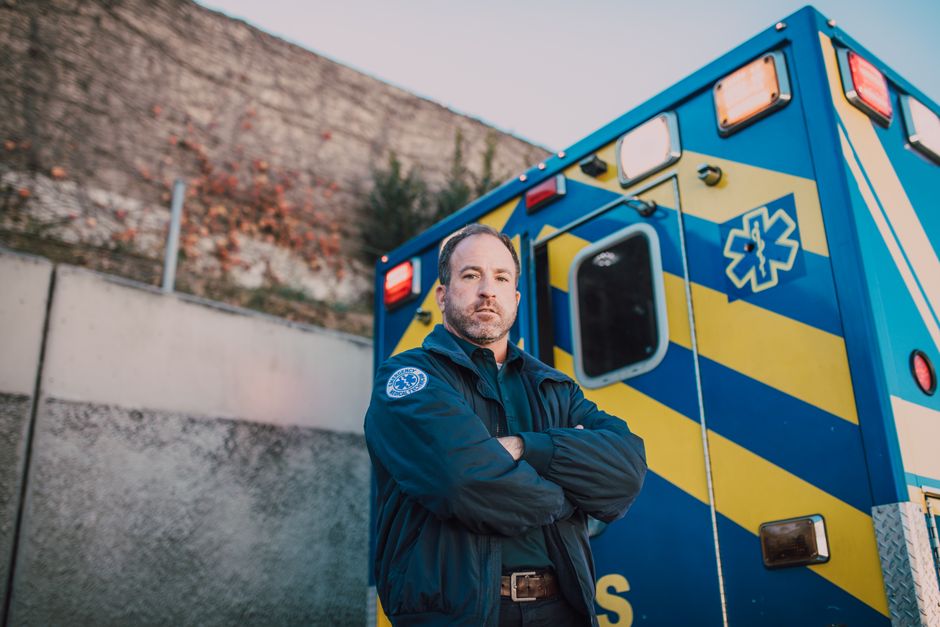
When someone is taken by ambulance, your first instinct is to follow them to the hospital. But ambulances do not always take patients to the closest hospital. The crew chooses the facility based on the patient’s condition, hospital capacity, and the level of care required. If you have lost track of a loved one, the quickest way to find them is to call the local emergency dispatch center or the non-emergency police line for the area where the ambulance was called. From there, you can usually get the receiving hospital’s name within minutes.
Why Can’t You Just Follow the Ambulance?
Following an ambulance is dangerous and illegal in most states. Emergency vehicles run lights and sirens to bypass traffic, and they have the legal right to run red lights and exceed speed limits. A private vehicle trying to keep up creates a serious hazard for the crew, other drivers, and the patient inside.
Even if you could safely follow, the ambulance may not go to the nearest hospital. Paramedics transport patients to the most appropriate facility for their condition. A stroke patient may be taken to a certified stroke center across town. A trauma patient goes to a Level 1 trauma center. A patient with a minor injury may go to the closest community hospital. You cannot predict the destination from the direction the ambulance drives.
Call the Right Agency to Get the Answer Fast
Your first call should be to the dispatch center that sent the ambulance. In most areas, this is the same 911 call center that answered the original emergency call. If you call 911 back and explain that you are a family member trying to locate a patient, the dispatcher can usually tell you which hospital received the transport.
If you do not want to tie up the emergency line, call the non-emergency police number for the city or county where the incident happened. Explain the situation clearly. Have the patient’s name, the time of the call, and the address where the ambulance was dispatched. Dispatch records are logged with the receiving facility, so a dispatcher can search the record quickly.
Do not call 911 for this unless it is an active emergency. Using the emergency line for a hospital search delays real emergencies. Use the non-emergency line whenever possible.
What If You Do Not Know the Exact Location?
Sometimes you know someone was taken by ambulance, but you do not know where they were picked up. This happens with car accidents, incidents at work, or events where the patient was not conscious.
In this situation, your best resource is the local police department or sheriff’s office for the area where the incident likely occurred. Law enforcement responds to most accidents and medical emergencies alongside the ambulance. Their incident reports list the responding ambulance company and the receiving hospital.
If you genuinely do not know where the incident happened, call the hospitals in the region directly. Start with the nearest major hospital and work outward. Ask for the emergency department and provide the patient’s name and date of birth. Hospitals will confirm whether a patient is registered, though privacy laws may limit what else they can tell you.




Calling Hospitals Directly: What to Expect
You can call hospitals directly, and this often works well. Start with the hospital closest to where the emergency occurred. If they do not have the patient, ask the emergency department staff which other hospitals in the area commonly receive ambulance transports.
When you call, have the patient’s full legal name and date of birth ready. The registration desk needs this information to search their system. If the patient was brought in by ambulance, the emergency department will have a record even if the patient cannot speak or is unconscious.
Be aware that some hospitals will not release patient information over the phone. This is not because they are being difficult. Federal privacy rules allow hospitals to confirm that a patient is present, but they are not required to do so, and some facilities have stricter policies. If a hospital refuses to confirm, ask to speak to the nursing supervisor or patient advocate.
When the Patient Is a Minor or Has a Guardian
If the patient is a child, the hospital will generally release information to a parent or legal guardian. Bring identification if you go to the hospital in person. If you are not the legal guardian, the hospital may not confirm the child’s presence.
For adult patients, hospitals can share information with a spouse, adult child, parent, or sibling in many cases. But the hospital has discretion. If the patient is conscious and has told staff not to share information, the hospital must honor that request. This is rare, but it can happen in situations involving domestic disputes or estranged family members.
If you are not an immediate family member, your best option is to go through the dispatch center. Dispatch records are not subject to the same patient privacy restrictions because the call information belongs to the emergency response system, not the hospital.
What About Private Ambulance Companies?
Private ambulance companies handle many emergency transports, especially in areas where the fire department or hospital system does not run its own ambulances. These companies keep their own dispatch logs. If you know which company responded, call their dispatch office directly.
If you do not know the company, the 911 dispatch center will know. The dispatcher assigned the call to a specific unit, and that assignment is logged. Ask the dispatcher which ambulance company responded and where they transported the patient. You can then call the company’s dispatch line for additional details if needed.
What to Do If You Cannot Find the Patient
If you have called dispatch, checked with local police, and contacted nearby hospitals without success, do not panic. The patient may have been transported to a hospital outside your immediate area. Some conditions require specialized care available at only one or two facilities in a large region.
Ask the dispatch center if the transport was a “priority” call. Priority calls go to the closest appropriate facility. Non-priority or “scheduled” transports may go to a specific hospital chosen by the patient’s regular doctor. If the patient was moved from one facility to another, the original receiving hospital will have a record of the transfer.
If you still cannot locate the patient after several hours, contact the local chapter of the American Red Cross. They operate a disaster welfare inquiry system that can help locate individuals during emergencies. This service is designed for disaster situations, but they can sometimes assist in locating patients who have been transported without family notification.
Frequently Asked Questions
How long does it take for a hospital to register an ambulance patient?
Most emergency departments register patients within minutes of arrival, even if the patient is unconscious. The ambulance crew provides the patient’s name and date of birth from identification or medical records.
Can the police tell me which hospital someone was taken to?
Yes, in most cases the police or sheriff’s department can tell you the receiving hospital. Their incident report includes the ambulance company and destination.
What if the hospital refuses to confirm the patient is there?
Ask to speak to the nursing supervisor or patient advocate. Hospitals have discretion under privacy rules, and a supervisor can often provide confirmation that a front-desk staff member cannot.
Will a hospital tell me if my adult child is a patient?
Hospitals may share information with an adult child’s parent, but they are not required to do so. If the patient is conscious and has requested privacy, the hospital must honor that request.
