
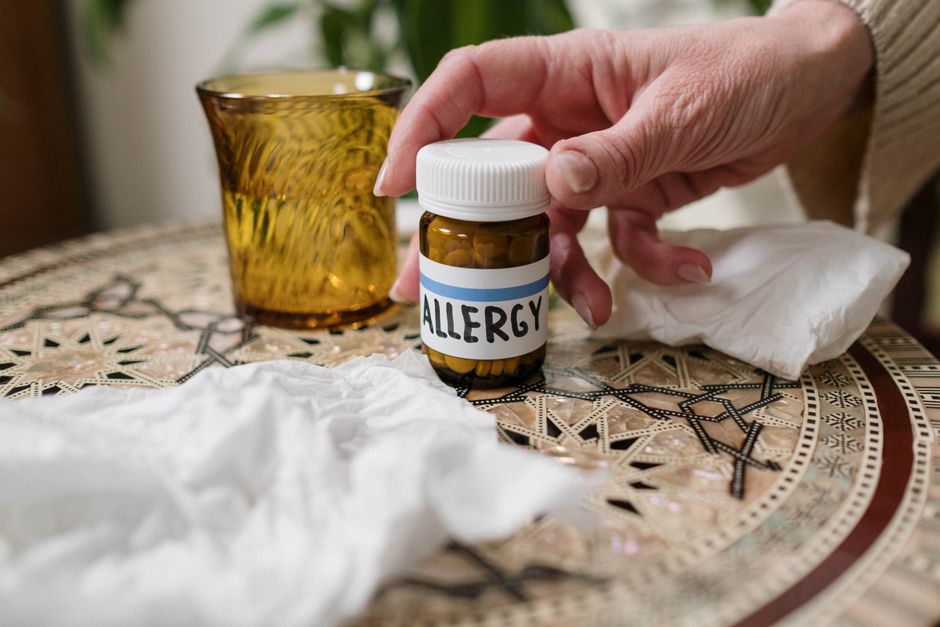
If you suspect you have allergies, the most reliable way to find out what you are allergic to is through specific medical tests like skin prick tests and specific IgE blood tests. These tests measure your body’s immune response to common allergens such as pollen, dust mites, pet dander, and certain foods. An allergist will use your symptoms and medical history to decide which tests are right for you, and the results can pinpoint exactly what triggers your reactions.
How Do Skin Prick Tests Work for Allergies?
Skin prick testing is the most common first-line test used by allergists. A small drop of a purified allergen extract is placed on your skin, usually on your forearm or back. The doctor then uses a tiny lancet to prick the skin through the drop, allowing a minuscule amount of the allergen to enter the surface layer.
If you are allergic to that substance, a small raised bump with surrounding redness — called a wheal — will appear within about 15 to 20 minutes. The size of the wheal helps the doctor determine how sensitive you are. Research published in the Journal of Allergy and Clinical Immunology shows that skin prick tests have a high sensitivity rate, often above 85% for common inhalant allergens like grass pollen and cat dander.
This test is safe for most people, though it can cause mild itching at the test site. It is not used if you have severe eczema on the test area or if you are taking antihistamines, which can block the reaction.
What Do Specific IgE Blood Tests Tell You?
Blood tests for allergies measure the amount of immunoglobulin E (IgE) antibodies your immune system makes in response to a specific allergen. The test is formally called a specific IgE test, though you may hear it called a RAST test or ImmunoCAP test. The doctor takes a blood sample and sends it to a lab where technicians measure antibody levels.
Results are reported in numerical values. A higher number generally means a stronger allergic response, though the threshold for a positive result varies by lab and allergen. The American Academy of Allergy, Asthma, and Immunology states that blood tests are particularly useful when skin testing cannot be done, such as for people with widespread eczema or those who cannot stop antihistamine use.
Blood tests are slightly less sensitive than skin prick tests for some allergens. They also take longer — results usually come back in a few days rather than minutes. They are a good option when you need a broad screening or when skin testing is not practical.
Are At-Home Allergy Test Kits Reliable?
At-home allergy test kits have become widely advertised online. You collect a small blood sample from a finger prick, mail it to a lab, and receive results online. These kits typically test for IgE antibodies to dozens of foods and environmental allergens.
The evidence on their reliability is mixed. A 2021 study in the Journal of Allergy and Clinical Immunology: In Practice found that some at-home tests had high false-positive rates for food allergens. This means the test said someone was allergic when they actually were not. False positives can lead to unnecessary dietary restrictions and stress.
These kits also cannot test for contact allergies or drug allergies. They do not replace a doctor’s evaluation. If you use an at-home kit, take the results to an allergist for confirmation. Do not change your diet or avoid foods based solely on a mail-order test result.




How to Find Out What You Are Allergic to Key Tests: Which One Is Right for You?
Choosing between skin prick tests, blood tests, and other methods depends on your specific situation. Your allergist will consider your age, your symptoms, what medications you take, and whether you have skin conditions that could interfere with testing.
For airborne allergies like pollen, mold, and pet dander, skin prick tests are usually the first choice. They are fast, relatively inexpensive, and give immediate results. For food allergies, skin tests are also common, but blood tests are often used as a follow-up to confirm or clarify borderline results.
If you have had a severe allergic reaction in the past, your doctor may start with a blood test to avoid any risk from skin testing. Children can undergo both types of testing, though skin tests are often preferred because they are less frightening and provide quick answers.
| Test Type | How It Works | Results Time | Best For |
|---|---|---|---|
| Skin Prick Test | Allergen placed on skin surface, then pricked | 15-20 minutes | Inhalant allergies, some foods |
| Specific IgE Blood Test | Blood sample analyzed for antibodies | Days | When skin test not possible, food allergy confirmation |
| Patch Test | Allergen applied to skin under adhesive patch | 48-96 hours | Contact dermatitis, skin allergies |
| Oral Food Challenge | Small amounts of food eaten under medical supervision | Hours | Confirming or ruling out food allergies |
What Does Research Show About Patch Testing for Contact Allergies?
Patch testing is different from skin prick testing. It is used to diagnose allergic contact dermatitis — a delayed skin reaction to substances like nickel, fragrances, or rubber. The allergist places patches containing small amounts of potential allergens on your back. You wear the patches for 48 hours, and the doctor reads the results at 48 and 96 hours.
The North American Contact Dermatitis Group publishes regular data on common allergens. Their 2020 report found that nickel, fragrance mix, and balsam of Peru were among the most common triggers. Patch testing is the gold standard for identifying what causes chronic rashes and eczema flares.
This test requires two visits to the doctor’s office over several days. It is not useful for diagnosing food allergies or seasonal allergies. If you have a persistent rash that does not respond to standard treatments, patch testing may be the key test you need.
What Are the Common Misconceptions About Allergy Testing?
One widespread myth is that you can test for all allergies at once with a single blood draw. No single test covers every possible allergen. Testing is targeted based on your exposure history and symptoms. Testing for things you have never been exposed to is pointless and wasteful.
Another misconception is that a positive test result automatically means you will have symptoms. Many people have positive IgE antibodies to a food or pollen but never experience a reaction when exposed. The test shows sensitization, not necessarily clinical allergy. Your doctor must interpret results alongside your history.
Some people believe that food sensitivity tests — which measure IgG antibodies — are the same as allergy tests. They are not. The American Academy of Allergy, Asthma, and Immunology states that IgG tests are not validated for diagnosing food allergies or sensitivities. These tests often produce long lists of “reactive” foods that have no clinical meaning.
- Skin prick tests and IgE blood tests are the only validated methods for diagnosing IgE-mediated allergies.
- IgG food sensitivity tests are not supported by mainstream allergy guidelines.
- Positive test results must always be interpreted with your symptom history.
- At-home test kits have higher false-positive rates than doctor-administered tests.
What Should You Avoid Before Allergy Testing?
Antihistamines are the main medication that interferes with skin prick testing. You need to stop taking them for a specific period before the test. For short-acting antihistamines like diphenhydramine, the washout period is about 24 to 48 hours. For longer-acting ones like cetirizine or loratadine, you may need to stop them for 5 to 7 days.
Certain antidepressants, stomach acid medications, and some heartburn drugs can also suppress skin test reactions. Tell your allergist about every medication and supplement you take. Do not stop any prescription medication without your doctor’s guidance.
On the day of the test, avoid applying lotion or moisturizer to the test area. Wear short sleeves or clothing that gives easy access to your arms. Bring a list of your symptoms, including when they happen and what seems to trigger them.
Frequently Asked Questions
How long does it take to get allergy test results?
Skin prick test results are available within 15 to 20 minutes. Blood test results take a few days to return from the lab.
Can I eat before an allergy blood test?
Yes, you do not need to fast before a specific IgE blood test. You can eat and drink normally unless your doctor gives you other instructions.
Are allergy tests covered by insurance?
Most insurance plans cover allergy testing when ordered by a doctor for a medical reason. Check with your provider about your specific plan and any copays.
Can children get allergy tested?
Yes, children of any age can be tested. Skin prick tests are safe for infants and toddlers when performed by an experienced allergist.
