
Finding a good plastic surgeon comes down to verification, not vibes. Check that the surgeon is board certified by the American Board of Plastic Surgery, operates in a facility that is accredited or licensed, and holds hospital privileges for the procedure you want. Then watch for red flags: pressure to book fast, prices far below local norms, surgery offered in an unaccredited office, or a surgeon who brushes off your questions about risks.
Most people choose a plastic surgeon the way they choose a restaurant — a friend mentions a name, the photos look good, the price seems fair. That approach works fine for dinner. For surgery, it can cost you far more than money.
Plastic surgery is real surgery. It involves anesthesia, incisions, infection risk, and healing that depends on your health and your surgeon’s skill. The vetting process matters more than the marketing. Here is how to do it properly.
What Does Board Certification Actually Mean For A Plastic Surgeon?
Board certification by the American Board of Plastic Surgery (ABPS) is the single most reliable credential to check. It means the surgeon completed an accredited plastic surgery residency, passed written and oral exams, and maintains ongoing certification requirements.
Here is the part most people miss. In the United States, any licensed physician can legally call themselves a “cosmetic surgeon” or even a “plastic surgeon” in many contexts, regardless of training. A doctor trained in dermatology, gynecology, or general surgery can offer breast augmentation or liposuction without completing a plastic surgery residency. That is legal in most states. It is not the same as being a board-certified plastic surgeon.
You can verify certification through the ABPS website using the surgeon’s name. The American Society of Plastic Surgeons (ASPS) also maintains a member directory, and membership requires ABPS certification.
Be careful with sound-alike boards. Some organizations with “board” in their name certify cosmetic surgeons but are not recognized by the American Board of Medical Specialties (ABMS). The ABPS is the ABMS-recognized board for plastic surgery. If a surgeon lists a board you have never heard of, look it up before you assume it carries the same weight.
Why Hospital Privileges Tell You More Than a Website Does
Hospital privileges are one of the most useful and least-used checks patients have. When a surgeon has privileges to perform a specific procedure at an accredited hospital, that hospital’s credentialing committee has reviewed their training, case history, and malpractice record.
Ask directly: “Do you have privileges to perform this procedure at a hospital?” Then ask which hospital, and confirm it. A surgeon who cannot get privileges at any local hospital is a genuine warning sign. It may reflect training gaps, a disciplinary history, or malpractice concerns.
This does not mean surgery must happen in a hospital. Many procedures are safely done in accredited outpatient facilities. But the ability to hold privileges is a separate, independent check on quality that a website cannot fake.
What Should You Ask During a Consultation?
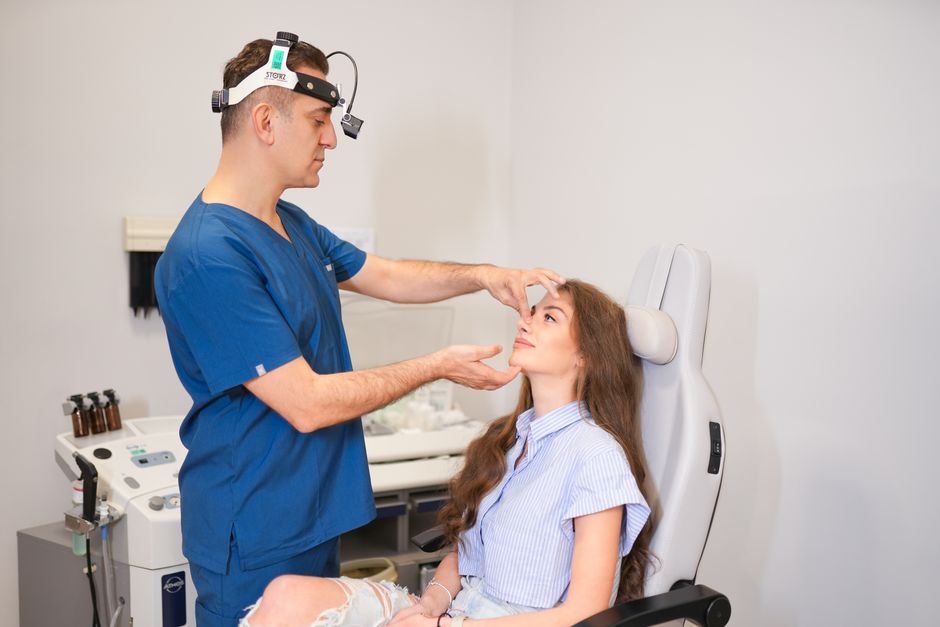
A good consultation feels like a medical appointment, not a sales pitch. The surgeon should examine you, review your health history, explain the procedure in plain terms, and spend real time on risks.
Come with specific questions and listen to how they are answered:
- Are you board certified by the American Board of Plastic Surgery?
- How many of these specific procedures have you performed?
- What are the most common complications you see, and how do you manage them?
- Where will the surgery take place, and who will administer anesthesia?
- What does recovery realistically look like, including time off work?
- What is the total cost, including anesthesia, facility fees, and follow-up visits?
- What is your revision policy if I need a second surgery?
Watch for deflection. A surgeon who waves off risk questions, promises perfect results, or says “don’t worry about that” is not giving you informed consent. Informed consent is a legal and ethical requirement, and it depends on honest discussion of what can go wrong.
The American Society of Plastic Surgeons recommends that patients be given a clear explanation of risks, benefits, and alternatives before consenting. If that conversation feels rushed, treat it as information.
Which Red Flags Should Make You Walk Away?
Some warning signs are unambiguous. Others are patterns that add up. Either way, you are allowed to leave a consultation and not come back.
High-pressure sales tactics. Limited-time discounts, “book today” pricing, or financing pushed hard during the first visit are marketing behaviors, not medical ones. Legitimate practices do not need to pressure you into surgery.
Prices far below your local market. Surgery costs what it costs because of anesthesia, facility standards, staffing, and follow-up care. A price that seems too good usually reflects something cut — often safety infrastructure. Compare quotes from several surgeons in your area to understand the real range.
Unaccredited surgical facilities. Ask whether the operating facility is accredited by a recognized body such as AAAASF, AAAHC, or The Joint Commission, or licensed by the state. Office-based surgery in an unaccredited setting carries different oversight than an accredited facility.
No anesthesiologist or nurse anesthetist. Ask who will provide anesthesia and what their credentials are. In accredited facilities, anesthesia is delivered by a qualified anesthesia professional. If the answer is vague, ask again.
Before-and-after photos that look too perfect. Photos should be consistent in lighting and angle, and should show real patients. Stock images or heavily edited results tell you nothing about surgical skill.
No discussion of your health history. Smoking, diabetes, blood pressure, medications, and prior surgeries all affect surgical risk. A surgeon who skips these questions is skipping safety.
Disciplinary history. State medical boards publish disciplinary actions. You can check your surgeon’s record through your state board’s website. It takes a few minutes and is worth doing.
How Do You Evaluate Before-and-After Photos Honestly?
Photos are marketing material. They can still be useful, but only if you read them carefully.
Good photo sets show the same patient from the same angles under the same lighting, with consistent framing. Ask whether photos are unretouched. Ask how many of the surgeon’s patients are represented — a handful of excellent results tells you less than a large, consistent body of work.
Most importantly, look for results that resemble your own body type and starting point. A surgeon whose portfolio is full of patients very different from you may not have the specific experience you need.
No photo set can tell you about complication rates, revision rates, or how a surgeon handles problems. Those come from the consultation conversation and from independent verification.
Does the Type of Facility Where Surgery Happens Matter?
Yes, and it is one of the quieter safety factors. Accredited facilities are held to standards for equipment, staffing, emergency protocols, and infection control. Accreditation is not a guarantee of a good outcome, but it is a documented baseline.
Ask where the surgery will be performed and whether that facility is accredited or state-licensed. If the answer is a surgeon’s private office with no accreditation, ask why. Some office-based practices are accredited and well-run. The question is whether anyone outside the practice has verified the standards.
You should also ask what happens if something goes wrong during surgery. Accredited facilities have transfer agreements with nearby hospitals. Ask about that plan.
How Should You Weigh Cost, Reviews, and Referrals?
Cost matters, but it should be the last filter, not the first. Get itemized quotes from at least two or three surgeons. Compare what is included: anesthesia, facility fees, garments, follow-up visits, and revision policies vary widely.
Online reviews are useful for spotting patterns — especially repeated complaints about communication or aftercare — but they are not a measure of surgical skill. A surgeon with hundreds of five-star reviews may still have a complication rate you cannot see. Conversely, a skilled surgeon may have a thin online presence.
Personal referrals from friends or from your primary care doctor carry more weight than anonymous reviews. A primary care physician often knows which local surgeons have good reputations and which have had problems.
One more point worth knowing: a good surgeon will sometimes tell you not to have surgery. If your expectations are unrealistic, your health makes the risk too high, or a nonsurgical option might serve you better, an honest surgeon says so. That conversation is a sign of quality, not a lost sale.
Frequently Asked Questions
How do I verify a plastic surgeon’s board certification?
Look up the surgeon by name on the American Board of Plastic Surgery website. Membership in the American Society of Plastic Surgeons also requires ABPS certification, so the ASPS directory is a second check.
Is a “cosmetic surgeon” the same as a plastic surgeon?
No. In most states, any licensed physician can use the title “cosmetic surgeon” without completing a plastic surgery residency. Only surgeons certified by the American Board of Plastic Surgery have met that specific training and exam standard.
What is the biggest red flag when choosing a plastic surgeon?
Pressure to book surgery quickly, often paired with limited-time pricing. Legitimate surgical practices give you time to consider risks, costs, and alternatives before you consent.
Should I check a surgeon’s disciplinary record?
Yes. State medical boards publish disciplinary actions, and the lookup takes only a few minutes. It is one of the few independent records you can check yourself.
