
Feeling good as a girl is not about chasing a perfect version of yourself. It comes down to a few ordinary habits that protect your body and your mind. Sleep, food, movement, and honest relationships with people you trust do more for how you feel than any product or trend. The habits below are the ones with real evidence behind them — and a few popular ones that do not hold up.
Why Do Habits Matter More Than Motivation For Feeling Good?
Motivation is a feeling, and feelings change from day to day. Habits work because they keep going when motivation drops. That is why the same small actions repeated over weeks tend to shape how you feel far more than a burst of willpower.
Your brain builds routines to save energy. When you repeat something in the same way and the same place, it takes less mental effort over time. This is why a bedtime routine or a short daily walk can become almost automatic. The goal is not to do everything at once. It is to pick one or two things and repeat them until they stick.
One thing worth knowing: how you feel day to day is shaped by many things at once — sleep, stress, relationships, health, and hormones. No single habit fixes everything. But a few steady habits give your body and mind a base to work from.
How Much Sleep Do Girls Actually Need?
Sleep is the single habit with the widest effect on mood, focus, and physical health. Teenagers need more sleep than adults — the American Academy of Sleep Medicine recommends 8 to 10 hours for teens aged 13 to 18. Adults generally need 7 or more hours a night.
During the teen years, the body’s internal clock shifts later. This is a real biological change, not laziness. It means many girls genuinely cannot fall asleep early, even when they try. The practical fix is to keep wake-up times steady and make the wind-down hour calm.
What helps sleep actually work:
- Go to bed and wake up at roughly the same time each day, including weekends.
- Keep screens out of the last stretch before bed — the light and the scrolling both keep the brain alert.
- Keep the room cool, dark, and quiet.
- Avoid caffeine in the afternoon and evening; it stays in the body for hours.
Sleep debt builds up. A short night here and there is normal, but regular short sleep adds up and shows in mood and concentration first.
What Should Girls Eat To Feel Good?
There is no magic food for feeling good. What matters is eating regularly, getting enough of the basics, and not skipping meals. Girls who skip breakfast or eat very little during the day often feel tired, foggy, and irritable by afternoon — that is the body running low on fuel.
A steady plate usually includes protein, fiber-rich carbohydrates, and color from fruits or vegetables. Protein helps you feel full and supports muscle and tissue. Iron matters more for girls and women than many people realize, because iron is lost with monthly periods. Low iron can cause tiredness and low energy. Good sources include lean meat, beans, lentils, and fortified cereals. If you feel constantly exhausted, that is worth raising with a doctor rather than guessing.
Calcium and vitamin D support bone health, which is built up most during the teen years. Dairy, fortified plant milks, and leafy greens are common sources.
One honest note: restrictive diets and skipping meals are common among girls, and they often backfire. The body responds to undereating with fatigue, poor mood, and stronger cravings. Regular meals are the foundation, not a luxury.
Does Exercise Really Change How You Feel?
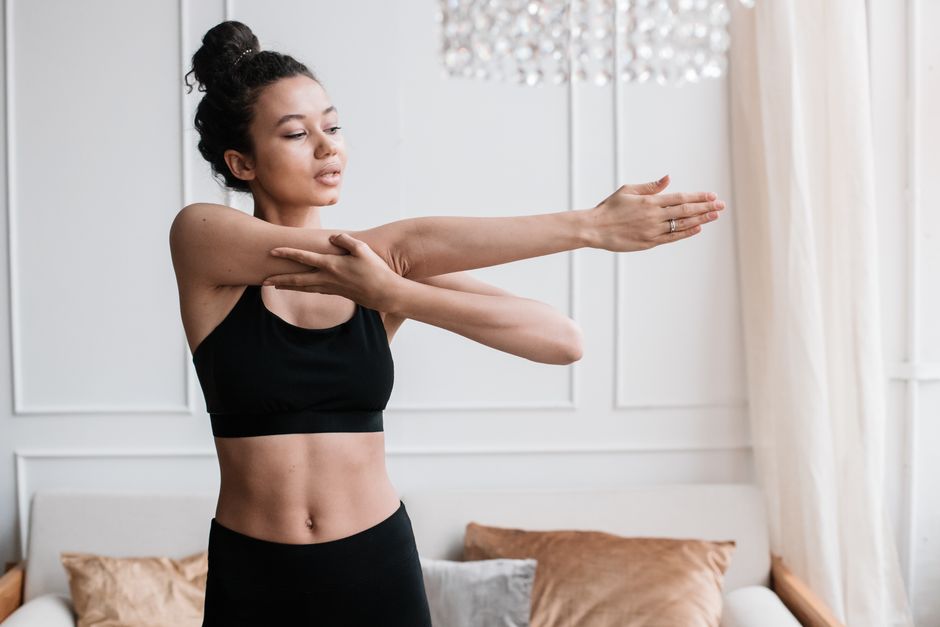
Yes — and the effect on mood is one of the better-supported findings in this area. Physical activity is linked to better mood and lower levels of anxiety and low mood in young people. You do not need a gym or a hard workout. A brisk walk, dancing, cycling, or a sport you enjoy all count.
The bigger point is consistency over intensity. Twenty minutes of movement most days does more than one exhausting session a week. Movement also helps sleep, which then helps mood — the habits reinforce each other.
Choose something you actually like. A habit you dread will not last. The best activity is the one you will still be doing in a month.
How Do Screens And Social Media Affect How Girls Feel?
This is one of the most debated areas in the research, so it deserves an honest answer. The evidence is mixed. Some studies find links between heavy social media use and lower mood in teenage girls; others find the effect is small and depends heavily on what the use looks like. Scrolling passively and comparing yourself to edited images is different from messaging friends or learning something.
What the research does not support is the idea that screens are simply “bad” or “good.” The effect seems to depend on the content, the time of day, and whether it replaces sleep, movement, or real conversation.
A practical approach:
- Keep phones out of the bedroom at night, since late scrolling most clearly cuts into sleep.
- Notice how you feel after certain apps — drained, anxious, or fine. That is useful information.
- Protect time for face-to-face connection, which is consistently linked to better mood.
What About Stress, Emotions, And Asking For Help?
Feeling good is not about being happy all the time. It is about having ways to handle hard feelings and knowing when to reach out. Everyone has low days. The concern is when low mood, worry, or hopelessness lasts for weeks and starts to affect sleep, school, or friendships.
Naming what you feel helps. So does talking to someone you trust — a parent, friend, school counselor, or doctor. Asking for help is a skill, not a weakness. If you ever have thoughts of harming yourself, tell a trusted adult or contact a crisis line right away. That is not something to sit with alone.
Small stress habits that are well supported include slow breathing, time outdoors, and regular movement. They are not cures, but they help the body settle.
Which “Feel Good” Habits Do Not Actually Work?
Plenty of popular advice sounds helpful but has little evidence behind it. Being clear about this saves time and money.
- Detox teas and cleanses. The body already clears waste through the liver and kidneys. No tea “flushes toxins,” and some cleanse products can cause digestive problems.
- Skinny teas and appetite-suppressant products. These are often laxatives in disguise and do not support healthy habits.
- Perfect morning routines. A five-step routine you cannot keep is worse than one small habit you can.
- Comparing yourself to influencers. Much of what you see online is filtered, posed, or edited. It is not a fair benchmark.
The habits that hold up are unglamorous: sleep, regular meals, movement, real friendships, and asking for help when you need it.
How To Feel Good As A Girl Habits That Actually Work
Start with one habit, not ten. Pick the one that would make the biggest difference right now — often sleep or regular meals — and repeat it for a couple of weeks before adding another. Small and steady beats big and brief.
Track how you feel, not just what you do. A simple note about energy and mood helps you see what is working. And build in room for rest. Feeling good is not a performance. It is the result of treating your body and mind with steady, ordinary care.
Frequently Asked Questions
How many hours of sleep does a teenage girl need?
The American Academy of Sleep Medicine recommends 8 to 10 hours a night for teens aged 13 to 18. Adults generally need 7 or more hours.
Do detox teas help you feel better?
No. The body already clears waste through the liver and kidneys, and no tea “flushes toxins.” Some cleanse products can cause digestive problems.
Is social media bad for how girls feel?
The evidence is mixed. Heavy passive scrolling and comparison are linked to lower mood in some studies, but the effect depends on content and whether it replaces sleep, movement, or real conversation.
What is the fastest habit to improve how I feel?
Protecting sleep is usually the highest-impact change, since it affects mood, focus, and energy at once. Regular meals and daily movement are close behind.
