
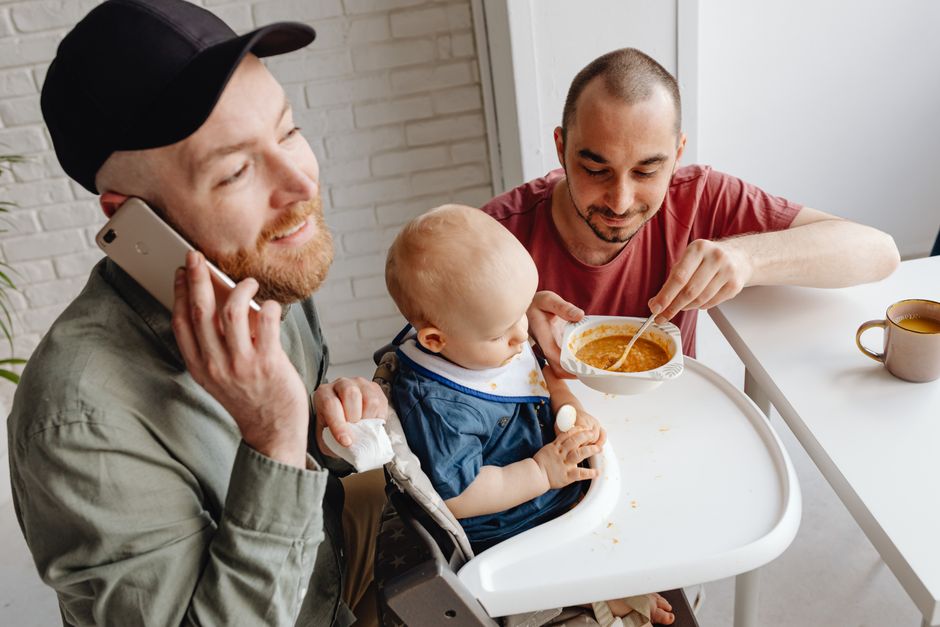
Feeding two hungry babies at once can feel like a circus act. You have two mouths to feed, two sets of hands, and only one of you. The good news is that feeding twins simultaneously is a skill you can learn, whether you are breastfeeding, bottle feeding, or doing a combination of both. The key is setting up your space, using the right positions, and giving yourself permission to practice until it feels normal.
What Is The Best Way To Breastfeed Twins At The Same Time?
Breastfeeding twins together is called tandem feeding. It works because breastfeeding is driven by supply and demand. When both babies nurse at the same time, your body gets a strong signal to produce milk for two. Many mothers find their milk supply settles faster when they tandem feed from the start.
The most common position is the football hold. You place each baby on a pillow beside you, with their bodies tucked under your arms like footballs. Their heads face your breasts and their feet point toward your back. This position gives you good control over each baby’s latch and keeps their bodies supported.
The cross-cradle hold is another option. In this position, you hold one baby in each arm, with their bodies crossing your chest. Each baby’s head rests in the crook of your opposite elbow. This works best once you have more experience and your babies have stronger neck control.
A nursing pillow designed for twins can make a real difference. These pillows are wider and firmer than standard nursing pillows. They support both babies at breast height, which protects your back and shoulders. Without proper support, you will tire quickly and your posture will suffer.
You can also nurse one baby while the other waits, but that doubles your feeding time. Tandem feeding is not required, but it is the most efficient way to feed two babies at once. Some mothers alternate between tandem and solo feeds depending on the situation, such as when one baby needs extra attention.
How Do You Bottle Feed Twins At The Same Time?
Bottle feeding twins at the same time requires a setup that leaves your hands free to manage both bottles. The most effective method is to sit on a couch or bed with good back support. Place one baby in a bouncy seat or infant lounger on each side of you, angled slightly toward you. This keeps both babies upright, which is important for safe bottle feeding.
Position yourself between them. Hold one bottle with each hand. Tilt each bottle so the nipple is full of milk, not air. Let each baby set the pace. Do not force the bottle into their mouths. A baby who is not ready will turn away or push the nipple out with their tongue.
Some parents use a twin bottle-feeding pillow that holds both babies in a semi-reclined position. This frees one hand so you can burp one baby while the other finishes. Other parents prefer to feed one baby fully, then the other. That approach is simpler but takes longer. It also means one baby waits while the other eats, which can lead to the waiting baby getting fussy.
An alternative is to have another adult help. If a partner, grandparent, or friend is available, each of you can feed one baby. This is often the most relaxed way to bottle feed twins, especially in the first few weeks. It also gives each baby one-on-one attention during feeding.
Never prop a bottle. This means you cannot leave a bottle resting on a pillow or blanket while the baby drinks. Propping a bottle increases the risk of choking, ear infections, and tooth decay. It also removes the social interaction that is part of healthy feeding.
What Is The Best Position To Bottle Feed Twins?
Upright is the safest position for bottle feeding any baby, and twins are no exception. When a baby is upright, gravity helps milk flow down the esophagus instead of pooling in the middle ear. This reduces the risk of ear infections. It also gives the baby more control over the flow of milk.
The football hold works for bottle feeding too. Place each baby on a pillow beside you, facing you. Their heads rest near your hands, and their bodies are supported by the pillow. You hold a bottle with each hand and guide the nipple into each baby’s mouth. This position keeps both babies close and gives you clear visibility of their faces.
The cradle hold is harder with two bottles because your arms do the supporting. If you try to cradle two babies while holding two bottles, you run out of hands. The football hold or the side-by-side position with babies in seats is more practical.
Whichever position you choose, watch for signs that a baby is full. A baby who is done will stop sucking, turn their head away, or fall asleep. Do not try to finish the bottle. Babies know their own hunger. Forcing extra milk can lead to overfeeding and discomfort.





How Long Does It Take To Feed Twins At The Same Time?
A full feeding session for twins usually takes 20 to 40 minutes. This includes the actual feeding plus burping. Newborns feed slowly and may fall asleep mid-feed. Older babies are more efficient and may finish in 10 to 15 minutes.
Breastfeeding twins often takes longer than bottle feeding, especially in the early weeks. Your milk supply needs time to establish, and babies need time to learn how to latch. This is normal. It does not mean something is wrong.
Cluster feeding is common in the first few weeks. This is when babies want to feed very frequently, sometimes every hour. It is exhausting but temporary. It usually settles by the time babies are 6 to 8 weeks old.
Pay attention to wet diapers as a sign of adequate intake. A newborn should have at least 6 to 8 wet diapers per day after the first week. This is a more reliable sign of hydration than how long a feeding lasts.
How Do You Burp Twins When Feeding Them Together?
Burping is a necessary part of feeding. Babies swallow air while they eat, and trapped air causes discomfort. You cannot skip burping just because you have two babies. You need a system.
The most efficient method is to burp both babies at the same time. Sit upright and place one baby on each shoulder. Pat their backs gently with both hands. This works well when both babies need burping at the same time.
Another option is to use a bouncy seat. After feeding, place both babies in seats and burp them one at a time. The baby waiting in the seat is safe and upright. This is easier than trying to manage two babies on your shoulders at once.
Some babies burp quickly. Others need several minutes of gentle patting. If a baby does not burp within a few minutes, they may not need to. Not every feed produces a burp. Move on and watch for signs of discomfort later.
What If One Twin Wants To Eat More Than The Other?
Twins are individuals. They have different appetites, different growth rates, and different feeding styles. One twin may finish a bottle in 10 minutes while the other takes 30. One may nurse eagerly while the other is easily distracted. This is normal.
Do not force the slower eater to match the faster one. Each baby should be allowed to eat until they are full. If one twin consistently eats much more than the other, mention it to your pediatrician. They can check that both babies are growing appropriately.
Some parents choose to feed the hungrier baby first, then wake the other baby to feed. This keeps both babies on a similar schedule. Others let each baby set their own rhythm. Both approaches are valid. The best schedule is the one that works for your family.
If you are breastfeeding, alternate which breast each baby starts on. This ensures both breasts are stimulated evenly. It also gives each baby a chance to drain the breast fully, which helps maintain your milk supply on both sides.
What Supplies Do You Need To Feed Twins?
A few key items make feeding twins much easier. You do not need everything on the market, but these basics help.
- A twin nursing pillow — supports both babies at breast height during breastfeeding or bottle feeding.
- 8 to 12 bottles — enough to rotate through a full day without washing constantly.
- A bottle drying rack — keeps clean bottles organized and ready.
- Burp cloths — you will go through several per feeding session.
- A comfortable chair — with armrests and back support for long feeding sessions.
- Water and snacks — feeding two babies is physically demanding. Keep supplies within reach.
You do not need a bottle warmer. Room temperature formula or expressed milk is fine for most babies. Warming bottles is a preference, not a requirement. If you do use a warmer, test the milk temperature on your wrist before feeding.
Frequently Asked Questions
Can I breastfeed and bottle feed my twins at the same time?
Yes, you can nurse one twin while bottle feeding the other. This is called mixed feeding and works well for many families.
It is common when one baby latches easily and the other needs more time or when you want a partner to help with one feed.
Is it safe to feed twins at the same time?
Yes, feeding twins simultaneously is safe when both babies are positioned upright and you can see their faces clearly.
Never prop a bottle, and always watch for signs of choking or distress during the feed.
How do I know if my twins are getting enough milk?
Watch for wet diapers, steady weight gain, and satisfied behavior after feeds.
Most newborns have at least 6 to 8 wet diapers per day after the first week, and your pediatrician will track their growth at each visit.
Should I wake one twin to feed when the other is hungry?
In the early weeks, yes, waking the sleeping twin keeps both babies on a similar schedule.
Once your pediatrician confirms steady weight gain, you can let each baby set their own feeding rhythm.
