
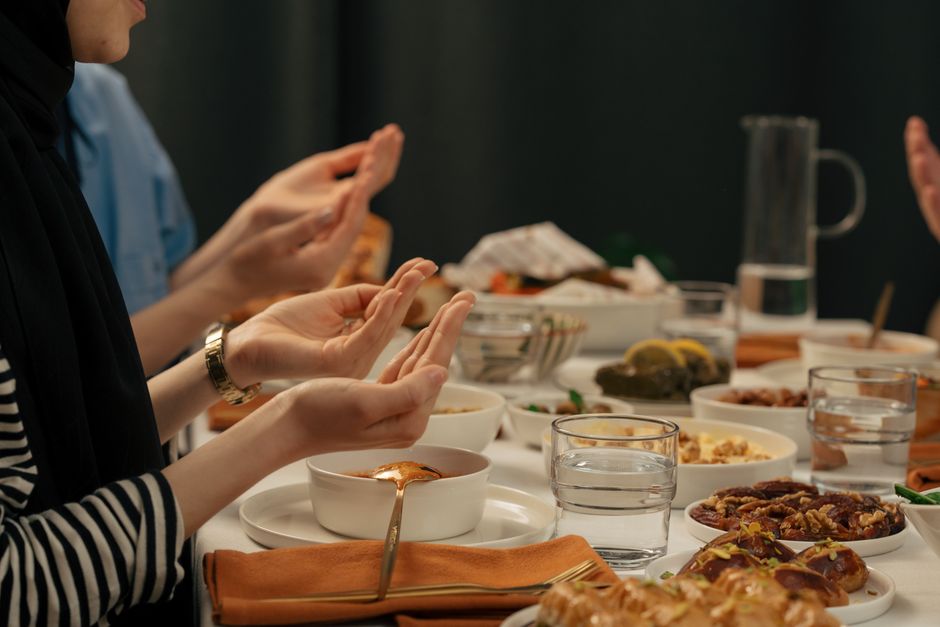
Ramadan is the ninth month of the Islamic lunar calendar, and during it many Muslims fast from dawn until sunset for the entire month. Fasting means no food, no drink, and no water during daylight hours. Before dawn, you eat a meal called suhoor. After sunset, you break the fast with a meal called iftar, traditionally starting with dates and water. If you are healthy, the fast is generally safe, but how you prepare and what you eat when the fast ends makes a real difference in how you feel.
What Does Fasting During Ramadan Actually Involve?
The fast runs from Fajr, the pre-dawn prayer, to Maghrib, the sunset prayer. The exact times shift daily because they follow sunrise and sunset, which change slightly each day and vary by location.
During daylight hours, you abstain from all food and drink, including water. The fast also includes abstaining from smoking and from sexual activity. It is not only about food. Many people also focus on prayer, charity, and self-discipline during the month.
The pre-dawn meal, suhoor, is eaten before Fajr. It is not strictly required, but skipping it makes the day harder. The Prophet Muhammad is reported to have encouraged eating suhoor, and there is practical logic to it. A meal before dawn gives your body fuel and fluid to draw on during the day.
Iftar breaks the fast at sunset. Traditionally, many people start with dates and water, then pray, then eat a larger meal. This pattern is common across cultures, though the specific foods vary widely.
How Do You Prepare Your Body Before Ramadan Starts?
Preparation in the weeks before Ramadan can make the transition easier. Your body adjusts to changes in eating and drinking patterns over time, so a gradual shift tends to be smoother than an abrupt one.
Some people find it helpful to reduce caffeine in the week or two before Ramadan. Regular caffeine drinkers who stop suddenly can get headaches, and those headaches can be worse when combined with fasting. Tapering caffeine gradually is a common approach.
Adjusting meal times slightly in the days before Ramadan can also help your body get used to a new schedule. Moving your main meals later and waking earlier for a small meal may ease the first few days.
Staying well hydrated in the days before the fast begins is sensible. There is no way to store extra water for later in the day in any meaningful way, but starting the month well hydrated is still better than starting dehydrated.
What Should You Eat at Suhoor and Iftar?
The foods you choose at both meals affect your energy, hunger, and thirst during the day. There is no single perfect Ramadan diet, but some general principles are supported by how the body digests and uses food.
At suhoor, complex carbohydrates and protein tend to keep you full longer than simple sugars. Foods like oats, whole grains, eggs, yogurt, and beans digest more slowly than white bread or sugary cereal. Slow digestion means a steadier release of energy.
Very salty foods at suhoor can increase thirst during the day. This is worth keeping in mind if you are prone to feeling thirsty while fasting.
At iftar, breaking the fast with dates and water is traditional and practical. Dates provide quick energy, and the water rehydrates you. After that, a balanced meal with vegetables, protein, and complex carbohydrates supports recovery.
Fried and very rich foods are common at iftar in many cultures, but they can cause indigestion and sluggishness. Eating slowly and not overloading your stomach right at sunset tends to feel better than a large, heavy meal.
Fluid intake between iftar and suhoor matters. Spreading water out over the evening rather than drinking a large amount all at once is generally easier on the body.





Who Should Not Fast During Ramadan?
Islamic law includes exemptions from fasting for people who would be harmed by it. This is not a loophole. It is part of the religious framework itself.
People who are generally exempt include:
- Young children who have not reached puberty
- People who are ill, especially with conditions that fasting would worsen
- People who are traveling
- Pregnant and breastfeeding women, in many interpretations
- Older adults who are frail or have chronic conditions
- People with type 1 diabetes or other conditions where fasting carries real risk
For people with chronic illnesses such as diabetes, heart disease, or kidney disease, fasting can carry genuine medical risk. The decision to fast should involve a doctor who knows your history. Some people with type 2 diabetes can fast safely with medical guidance and medication adjustments. Others cannot. This is not a decision to make alone.
Pregnant and breastfeeding women face a specific set of considerations. Some religious scholars allow fasting, and some medical bodies caution against it, particularly in later pregnancy or if the mother is already at risk of dehydration or poor nutrition. Guidance varies, and the evidence on outcomes is mixed. Talking to both a doctor and a religious authority is the practical approach.
If you take prescription medications, ask your doctor whether the timing of your doses can be adjusted to fit the fast, or whether fasting is safe at all for your condition.
Practical Tips for Getting Through the Day
How you manage the daylight hours affects how you feel by evening. A few habits tend to help.
During the day, resting more than usual is reasonable. Many people find that heavy physical activity in the afternoon is harder while fasting. If you exercise, moving it to after iftar or to the cooler part of the morning is often easier.
Keeping cool matters, especially in hot climates or during summer months when the fast is long. Heat and no water is a real combination, and it deserves respect.
Breaking the fast as soon as the sun sets is traditional and sensible. Delaying it does not make the fast more valid and just extends the strain on your body.
Sleep schedules often shift during Ramadan because of late-night meals and pre-dawn waking. Trying to get adequate sleep, even if it is split into parts, supports how you feel during the day.
What Happens to Your Body During a Ramadan Fast?
The body shifts how it produces energy during a fast. In the first several hours after your last meal, it uses glucose from the food you ate. As that runs lower, it starts drawing on stored glycogen in the liver and muscles. Later, it begins to break down stored fat for fuel.
These shifts are normal and are part of how the body handles periods without food. The daily Ramadan fast, which is broken each evening, is different from a multi-day fast because the body gets to refuel every night.
Hydration is a separate matter. The body cannot store water for later use in any significant way. Whatever you drink at night is processed and partly lost through urine and sweat. This is why staying hydrated between iftar and suhoor matters more than trying to “load up” on water at any single point.
Some people notice headaches in the first few days, particularly if they are used to caffeine. These often ease as the body adjusts, though they can also signal dehydration or low blood sugar.
When Should You Break Your Fast?
There are situations where breaking the fast is the right call, and Islamic law permits it. If you feel faint, confused, or seriously unwell, breaking the fast is not a failure.
Signs that warrant attention include:
- Dizziness or lightheadedness that does not pass
- Confusion or difficulty concentrating
- Rapid heartbeat or palpitations
- Severe headache
- Nausea or vomiting
- Signs of dehydration such as dark urine, dry mouth, or not urinating
If any of these occur, breaking the fast and rehydrating is the safer choice. People with diabetes should watch for signs of low blood sugar, which can be dangerous. Symptoms include shakiness, sweating, confusion, and a rapid heartbeat.
Fasting is a religious practice, not a test of endurance. The exemptions and allowances exist for a reason.
Frequently Asked Questions
Can you drink water during Ramadan?
No, drinking water during daylight hours breaks the fast. Water is only consumed between sunset and dawn.
What time does Ramadan fasting start and end each day?
The fast begins at Fajr, the pre-dawn prayer, and ends at Maghrib, the sunset prayer. Exact times change daily and vary by location.
Is it safe to fast during Ramadan if you have diabetes?
It depends on the type of diabetes and your overall health, and the decision should be made with your doctor. Some people with type 2 diabetes can fast safely with medication adjustments, while others face real risk.
Can you brush your teeth while fasting in Ramadan?
Many scholars allow brushing with a small amount of toothpaste as long as you do not swallow it. Some prefer using a miswak or brushing without toothpaste to avoid any doubt.
