
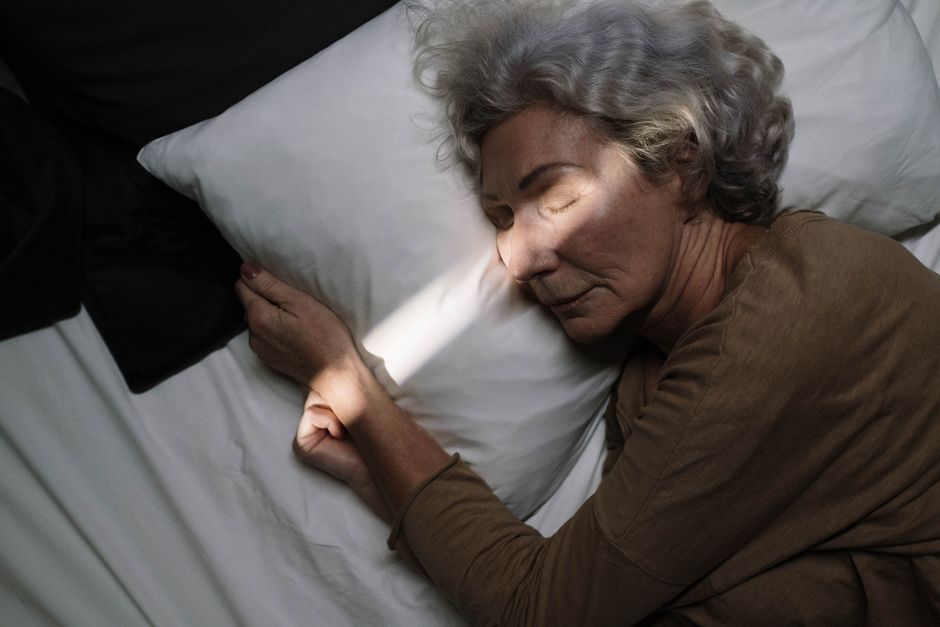
If you want to fall asleep right now, the fastest evidence-based method is a slow breathing pattern that activates your calming nervous system. Try breathing in for 4 seconds, holding for 7, and breathing out for 8, repeated for several rounds. Pair that with a cool, dark, quiet room and a deliberate decision to stop trying to force sleep. That combination works faster than any supplement or gadget sold for this purpose.
There is no method that reliably puts a person to sleep in a set number of minutes. Anyone promising instant sleep is selling something. What exists is a set of techniques that reduce the mental and physical arousal keeping you awake, and those can work within minutes for many people.
The methods below fall into two groups: things that calm your body’s stress response, and things that quiet the mental loop keeping you alert. Most people need both.
How To Fall Asleep Right Now Fast Acting Methods?
The strongest fast-acting tools are slow breathing, progressive muscle relaxation, mental distraction techniques, and a cool dark environment. Each targets a different part of the wakefulness system.
Sleep onset is not something you can force. It happens when the brain’s arousal systems quiet down enough for the sleep-promoting systems to take over. Your body has two opposing forces here. One is the ascending arousal system, which keeps you alert. The other is the ventrolateral preoptic nucleus and related sleep centers, which suppress arousal. Falling asleep means the second group wins.
Everything below works by tipping that balance. None of it is a switch. Think of it as removing the obstacles rather than pushing yourself over a line.
Slow breathing and the physiological sigh
Slow breathing with a longer exhale is the most reliable fast-acting technique. When you breathe out slowly, your parasympathetic nervous system becomes more active. Heart rate drops slightly. Muscle tension eases. This is a real physiological reflex, not a placebo.
The 4-7-8 pattern is widely taught: inhale through the nose for 4 seconds, hold for 7, exhale slowly through the mouth for 8. The exact numbers matter less than the principle. A long, unforced exhale is the active ingredient. If holding your breath feels uncomfortable, skip the hold and simply make the exhale longer than the inhale.
A simpler version is the physiological sigh. Take two short inhales through the nose, then one long exhale through the mouth. Repeat several times. This pattern is used to reduce acute stress and is easy to do lying in bed.
Progressive muscle relaxation
Progressive muscle relaxation means tensing a muscle group for about 5 seconds, then releasing it and noticing the difference. You work through the body from feet to face.
The mechanism is straightforward. Muscle tension is part of the physical stress response. Deliberately tightening and then releasing muscles gives your nervous system a clear signal to reduce tension. Research on relaxation techniques for sleep has generally found modest but real benefits for sleep onset, though the quality of studies varies.
You do not need to do the full sequence. Even tensing and releasing your hands, shoulders, and jaw can take the edge off.
Mental distraction and cognitive shuffling
Racing thoughts keep many people awake. Trying to suppress them usually backfires, because monitoring yourself for unwanted thoughts keeps your brain alert.
A technique sometimes called cognitive shuffling works by giving your mind random, neutral material to occupy it. Pick a random word. Then think of words starting with each letter, or picture unrelated objects one at a time. The goal is to break the logical thread of worried thinking without demanding effort.
This is a newer technique and has not been tested in large clinical trials. The reasoning behind it fits what is known about how mental activity affects sleep onset, but treat it as a plausible tool rather than a proven one. Some people find it helps immediately. Others do not.
Cooling your body and the room
Core body temperature needs to drop slightly for sleep to begin. This is one of the best-established facts about sleep physiology. A room that is too warm works against you.
Most sleep guidance points to a bedroom temperature in the mid-to-upper 60s Fahrenheit as comfortable for most adults, though individual preference varies and no single number is right for everyone. What matters more is that the room is cooler than you find comfortable while awake.
A cool shower or bath before bed can help some people, because the subsequent drop in core temperature may promote sleepiness. The effect is not instant and takes some time to develop. It is a preparation tool, not a right-now fix.
Getting out of bed if you are wide awake
If you have been lying awake and feeling frustrated, getting up briefly can help more than staying put. Frustration and clock-watching raise arousal, which pushes sleep further away.
This is a core part of cognitive behavioral therapy for insomnia, the treatment with the strongest evidence base for chronic sleep problems. The principle is to keep your bed associated with sleep, not with lying awake and stressed. Move to a dim room, do something quiet, and return when you feel sleepy.
What should you do in the first five minutes?
Start with breathing and environment, because those are the fastest levers. A practical sequence looks like this:
- Turn off screens or at least dim them and put the phone out of reach.
- Lie down and begin slow breathing with a long exhale.
- Relax your jaw, shoulders, and hands deliberately.
- If your mind is racing, switch to a neutral mental distraction.
- If you are still alert after a while, get up briefly rather than fighting it.
Notice that none of these involve trying harder. Effort is counterproductive here. The harder you chase sleep, the more aroused you become.
Does melatonin work fast enough to help tonight?
Melatonin is not a fast-acting sleep aid in the way people expect. It signals to your body that it is nighttime, which helps shift your internal clock. It does not reliably knock you out within minutes.
Timing and dose matter, and dosing is where people get into trouble. Melatonin is sold as a supplement in the United States, which means it is not held to the same standards as prescription drugs for purity or content. Studies have found that actual melatonin content in products often does not match the label.
There is no universally established dose for sleep onset, and guidance varies. Melatonin is generally considered to have a good safety profile for short-term use in healthy adults, but it can interact with some medications and is not appropriate for everyone. If you are considering it, especially if you take other medications or are pregnant or breastfeeding, talk to a clinician first. No clinical guidelines support routine melatonin use in pregnancy or breastfeeding without medical advice.
For falling asleep right now, melatonin is the wrong tool. It is better suited to timing problems like jet lag, and even then it is not instant.
Why can’t I fall asleep even when I am exhausted?
Physical tiredness and sleepiness are not the same thing. You can be exhausted and still unable to fall asleep because your brain is in a state of high arousal.
Common culprits include stress and worry, caffeine consumed many hours earlier, alcohol, a warm room, bright light, and an irregular sleep schedule. Caffeine is worth singling out. It has a long half-life, meaning a significant amount can still be in your system many hours after your last cup. Some people are slow metabolizers and are affected far longer than they expect.
Alcohol is another common trap. It can make you feel drowsy and may help you fall asleep faster, but it disrupts sleep quality later in the night and can cause early waking. Relying on it to fall asleep tends to backfire over time.
If difficulty falling asleep happens most nights for weeks or months, that points to something worth addressing properly rather than managing with quick fixes. Persistent insomnia is common and treatable, and cognitive behavioral therapy for insomnia is the first-line treatment supported by the strongest evidence. It is more effective than sleep medication over the long term.
What actually makes sleep harder when you are trying to fall asleep fast?
Several common habits actively work against fast sleep onset. Knowing them helps you stop doing the things that cancel out your efforts.
Watching the clock is a big one. Checking the time repeatedly feeds frustration and raises arousal. Turn the clock away from the bed.
Bright light, especially from phones and screens, signals daytime to your brain and can suppress melatonin. The size of the effect is debated, but the direction is not.
Trying to force sleep is the most counterproductive of all. Sleep is a passive process. The more you monitor whether you are falling asleep, the more alert you become. Letting go of the goal is genuinely part of the method, not a soft suggestion.
Heavy meals, vigorous exercise, and stressful conversations close to bedtime keep arousal high for some people. The evidence on timing varies by person, but if you notice a pattern, it is worth adjusting.
When should you stop trying and get help?
Quick techniques are for occasional rough nights. They are not a substitute for treating an ongoing problem.
See a clinician if poor sleep lasts for weeks, affects your daytime functioning, or comes with loud snoring, gasping, or pauses in breathing. Those last signs can point to sleep apnea, which is a medical condition and not something breathing exercises will fix. Sleep apnea is underdiagnosed and worth taking seriously.
Loud snoring with witnessed pauses in breathing is a reason to seek medical assessment rather than self-treat. The same goes for sleepiness that makes driving risky.
For run-of-the-mill difficulty falling asleep, the techniques above are reasonable first steps. They are low risk and grounded in how sleep physiology actually works. Just do not expect any of them to be instant or guaranteed. Most people find some combination helps, and finding yours takes a little trial and error.
Frequently Asked Questions
What is the fastest way to fall asleep right now?
Slow breathing with a long exhale is the fastest evidence-based method, combined with a cool, dark, quiet room. It calms the nervous system rather than forcing sleep.
Does the 4-7-8 breathing method really work?
The long exhale in this pattern activates the parasympathetic nervous system, which is a real physiological effect. The exact numbers matter less than making your exhale longer than your inhale.
Should I take melatonin to fall asleep fast tonight?
No, melatonin is not a fast-acting sleep aid and is better suited to timing issues like jet lag. It signals nighttime to your body rather than knocking you out within minutes.
Why can’t I sleep even though I am exhausted?
Physical tiredness and sleepiness are different, and high mental arousal can keep you awake despite exhaustion. Stress, caffeine, alcohol, and a warm room are common causes.
