
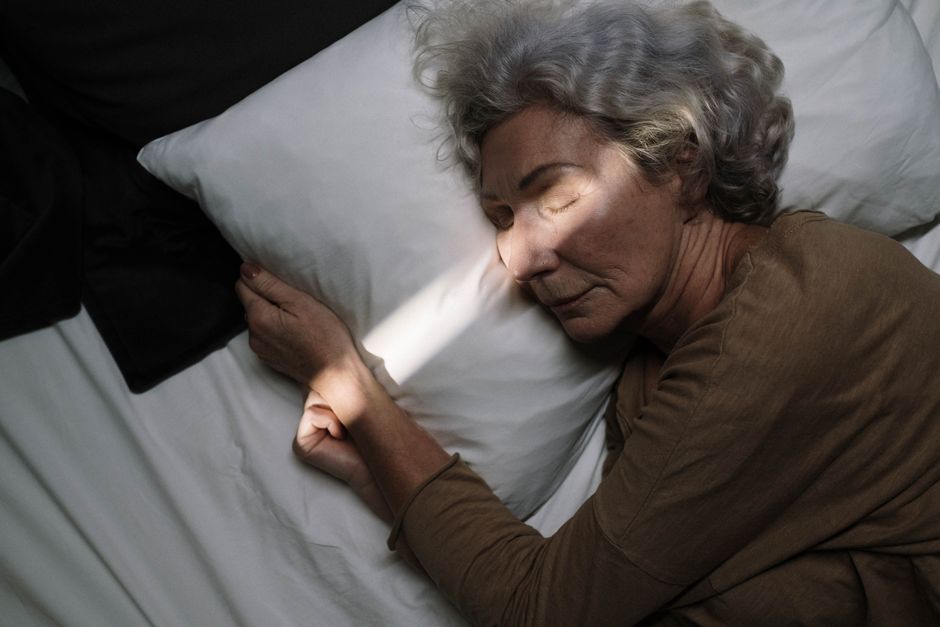
You cannot force sleep to arrive in five minutes. What you can do is stop doing the things that keep your brain alert, and give your body the conditions it already associates with sleep. For most healthy adults, falling asleep within about 10 to 20 minutes is normal, and consistently dropping off in under five minutes is actually a sign of significant sleep debt, not a skill. The realistic goal is to shorten the time you spend lying awake — and that is something you can influence.
This guide explains what is happening in your body when you try to sleep, why some common tricks do not work, and which evidence-based habits give you the best chance of settling quickly. It is informational, not medical advice. If you have ongoing trouble sleeping, that is worth discussing with a clinician.
Why Can’t I Fall Asleep Quickly?
Sleep is not something you switch on. It is a biological process that depends on two systems working together: your sleep drive and your body clock.
Your sleep drive builds up the longer you stay awake, driven partly by a chemical called adenosine that accumulates in the brain. Your body clock, located in a small region of the brain called the suprachiasmatic nucleus, sets the timing of when you feel sleepy and alert across the day. Light is its main cue.
When you get into bed, both systems need to be lined up. If you have slept in late, napped in the afternoon, or spent the evening under bright light, the drive may be weaker than you expect. If your mind is racing, your nervous system is still in a more alert state.
The hormone melatonin, which the body releases in dim light and darkness, helps signal that it is night. It does not knock you out. It makes sleep more likely when the conditions are right. That distinction matters, because it explains why melatonin supplements are not a reliable five-minute solution.
Lying awake also creates its own problem. Over time, the bed becomes associated with frustration and alertness rather than rest. Sleep specialists call this conditioned arousal, and it is one reason chronic insomnia tends to reinforce itself.
What Actually Happens When You Fall Asleep?
Falling asleep is a transition, not an event. Your body moves through recognizable stages on the way in.
Heart rate and breathing slow. Core body temperature begins to drop. Muscle tone relaxes. Brain activity shifts from the alert, fast patterns of waking to slower rhythms. The first stage of sleep, often called N1, is light and brief, typically lasting only a few minutes before you move into deeper stages.
This is why the environment matters so much. Your body is looking for signals that match the transition — cool, dark, quiet, and still. When those signals are missing, the process can stall.
One detail people often miss: core body temperature needs to fall slightly for sleep to begin, and it does this partly by releasing heat through the hands and feet. A warm room works against you. So does a very hot bath right before bed, though a warm bath an hour or two earlier can help because the subsequent cooling mimics the natural drop.
How To Fall Asleep In 5 Minutes Or Less
No technique reliably puts a healthy adult to sleep in five minutes. What follows is a set of approaches that target the actual mechanisms — lowering arousal, strengthening sleep drive, and matching your environment to the sleep transition. Some are well supported. Others are used in practice but have thinner evidence, and I will say which is which.
Get the room conditions right
Darkness supports melatonin release. Cool air supports the drop in core temperature. Quiet reduces the chance of a startle response as you drift off. These are well established as sleep-hygiene fundamentals, though the exact ideal temperature varies by person and no single number fits everyone.
Use slow, deliberate breathing
Slow breathing at roughly six breaths per minute has been studied as a way to shift the nervous system toward a calmer state. Some research suggests it can reduce physiological arousal before sleep. It is not a guaranteed fast track, but it is low-risk and gives your attention something calm to rest on.
Try progressive muscle relaxation
This involves tensing and then releasing muscle groups one at a time, working through the body. It is a recognized relaxation technique used in behavioral therapy for insomnia. Evidence supports it as part of a broader approach rather than as a standalone five-minute fix.
Stop trying to force it
This sounds counterintuitive, but effortful attempts to sleep tend to increase arousal. If you have been lying awake and getting frustrated, the better move is usually to get up, keep the lights low, and do something quiet until you feel drowsy, then return to bed. This is a core principle of cognitive behavioral therapy for insomnia, which is the best-supported non-drug treatment for chronic insomnia.
Keep a consistent wake time
Waking at the same time every day, including weekends, strengthens your body clock and builds sleep drive more reliably than almost any bedtime trick. It is one of the most consistently supported habits in sleep research.
What About the Military Sleep Method?
A technique often called the military sleep method circulates widely online, claiming you can fall asleep in two minutes by relaxing the face, shoulders, and limbs while imagining a calming scene. The claim usually traces back to a book about Navy SEAL training.
The individual components — relaxing the face and body, slow breathing, mental imagery — overlap with established relaxation techniques. That part is reasonable.
The specific two-minute claim has not been validated in controlled research. No well-designed trial confirms that this exact sequence puts people to sleep in two minutes. Treat it as a relaxation routine that may help some people settle, not as a proven protocol.
What Makes Falling Asleep Harder?
Several common habits work directly against the sleep transition.
- Caffeine late in the day. Caffeine blocks adenosine, the chemical that builds sleep drive. Its effects can last for hours, and sensitivity varies widely between people.
- Alcohol before bed. Alcohol can make you feel drowsy, but it fragments sleep later in the night and can increase early-morning waking.
- Bright light in the evening. Light exposure signals your body clock that it is still daytime, delaying melatonin release.
- Long or late naps. Napping reduces sleep drive, making it harder to fall asleep at night.
- Watching the clock. Clock-watching increases anxiety about not sleeping, which raises arousal.
- Heavy meals or intense exercise close to bedtime. These can keep the body in a more activated state, though individual responses differ.
None of these is a moral failing. They are just inputs your sleep system is responding to.
When Is Fast Sleep Actually a Warning Sign?
Falling asleep almost instantly, every night, is not a sign of excellent sleep health. It usually means you are not getting enough sleep.
People who are chronically sleep-deprived can drop off within minutes because their sleep drive is very high. The same can happen with certain sleep disorders. If you regularly fall asleep the moment your head hits the pillow, or you feel sleepy during the day despite spending enough time in bed, that is worth raising with a clinician.
Persistent difficulty falling asleep — most nights, for weeks or longer, with daytime effects — is also worth a conversation. Chronic insomnia is common and treatable, and the best-supported treatment is cognitive behavioral therapy for insomnia, not medication as a first step.
Does Melatonin Help You Fall Asleep Faster?
Melatonin is a timing signal, not a sedative. It tells the body it is night. It does not reliably shorten the time it takes to fall asleep in people whose sleep timing is already normal.
Evidence is stronger for situations involving shifted timing, such as jet lag, than for general difficulty falling asleep. Dosing is not standardized across products, and content can vary between brands. If you are considering melatonin, particularly for a child, during pregnancy, or alongside other medications, talk to a clinician first. No universal clinical guideline sets a dose for these groups.
Frequently Asked Questions
Can you actually fall asleep in 5 minutes?
Some people do, but it usually reflects high sleep drive from being sleep-deprived rather than a technique. For most healthy adults, falling asleep within about 10 to 20 minutes is normal.
What is the fastest way to fall asleep?
There is no proven five-minute method. The most reliable approach combines a consistent wake time, a dark and cool room, and reduced mental arousal through slow breathing or relaxation.
Does the military sleep method really work in 2 minutes?
Its relaxation components are reasonable, but the specific two-minute claim has not been validated in controlled research. Treat it as a calming routine rather than a proven protocol.
Why do I fall asleep instantly some nights?
Falling asleep almost immediately usually signals that you are not getting enough sleep overall. If it happens regularly, or you feel sleepy during the day, mention it to a clinician.
