
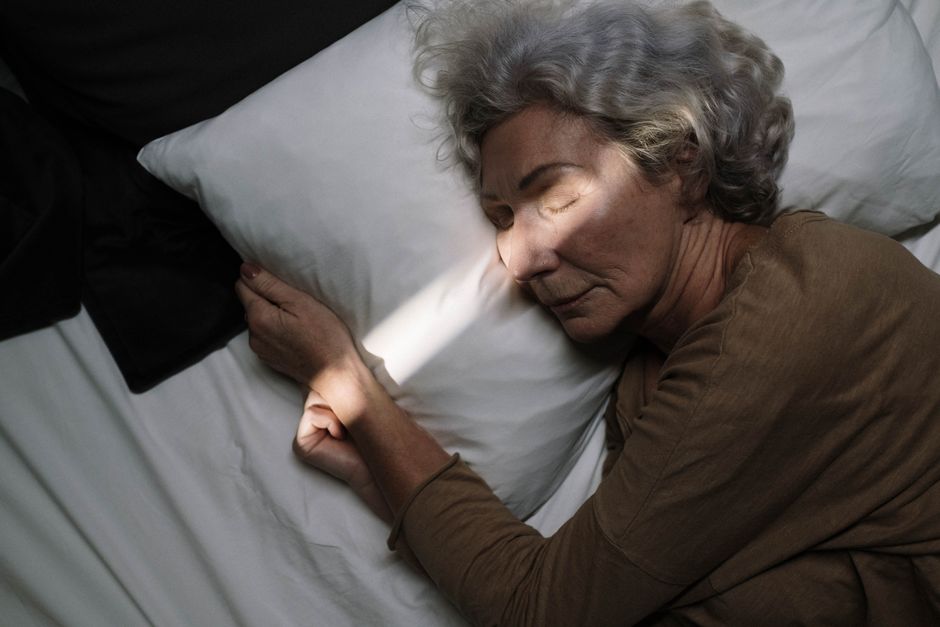
You cannot force sleep, but you can change the conditions that let it arrive. The science-backed approach to falling asleep faster is built on three things: a consistent sleep-wake schedule, a cool dark bedroom, and a wind-down period that lowers arousal before bed. Most people who struggle to fall asleep are fighting their own biology with light, timing, or mental stimulation rather than a lack of willpower.
Falling asleep is not something you do. It is something that happens when your sleep drive is high enough and your nervous system is calm enough. Understanding those two levers changes how you approach bedtime.
What actually controls when you fall asleep?
Two separate systems govern sleep. The first is your sleep-wake drive, sometimes called process S. It builds up the longer you stay awake, driven in part by a chemical called adenosine that accumulates in the brain throughout the day. The longer you are awake, the more pressure to sleep.
The second is your circadian rhythm, or process C. This is an internal clock that runs roughly on a 24-hour cycle and is set mainly by light exposure. It tells your body when to feel alert and when to feel sleepy, independent of how long you have been awake.
Sleep onset happens when both systems line up: your sleep drive is high and your circadian clock is signaling night. If either is off, you can lie in bed awake even when you feel tired. This is why sleeping in on weekends can make Sunday night difficult — it lowers sleep pressure and shifts your clock at the same time.
A detail many people miss: lying in bed awake for a long time teaches your brain to associate the bed with frustration and alertness rather than sleep. This is a well-documented phenomenon in insomnia research, and it is why sleep specialists often focus on what happens before and around bedtime, not just at bedtime.
How does light exposure affect how fast you fall asleep?
Light is the single strongest signal your body uses to set its internal clock. Bright light in the evening, especially light rich in blue wavelengths from screens and overhead lighting, can delay the release of melatonin, the hormone that helps signal that night has arrived. A delayed melatonin signal pushes your natural sleep time later.
The practical fix is not complicated. Dim your environment in the hour or two before bed. Use lamps instead of overhead lights. Lower screen brightness, and where possible reduce close-up screen time in the last stretch before bed. Morning light matters just as much — getting bright outdoor light soon after waking helps anchor your clock so that sleepiness arrives at a consistent time that night.
Some research suggests that evening light exposure has a smaller effect on sleep than commonly claimed, and the evidence on screen use specifically is mixed. What is well established is the broader principle: light timing influences circadian rhythm, and circadian rhythm influences when you feel sleepy. Treat light as one strong lever, not the only one.
What is the science-backed way to build sleep pressure during the day?
Sleep pressure is built by time awake and by physical activity. Regular daytime movement — even a walk — is associated with better sleep quality in observational research, though the effect on how fast you fall asleep specifically varies between people. The key is not to exhaust yourself but to avoid a completely sedentary day.
Naps are where many people accidentally undermine their nighttime sleep. A long or late afternoon nap reduces sleep pressure, making it harder to fall asleep at night. If you nap, keep it short and early. For people with insomnia, sleep specialists often advise avoiding naps altogether during treatment, because sleep pressure is the main tool being used.
Caffeine matters here too. Caffeine blocks adenosine, the chemical that builds sleep pressure. It has a long half-life — roughly five to six hours in most adults, and longer in some people. A late afternoon coffee can still be measurably affecting you at bedtime even if you feel fine. Alcohol is similar in a different way: it may make you feel drowsy, but it disrupts sleep architecture later in the night and is not a reliable way to fall asleep faster.




What bedtime routine helps you fall asleep faster?
A wind-down period gives your nervous system time to shift out of alert mode. The goal is to lower arousal — heart rate, mental activity, muscle tension — before you get into bed. This is not about relaxation for its own sake. It is about creating a predictable transition that your body learns to associate with sleep.
What works varies, but the principles are consistent:
- Keep the last 30 to 60 minutes before bed low-stimulation: dim lights, quiet activity, no work or intense conversation.
- Keep your bedtime and wake time consistent, including weekends. This is the most reliable single habit for sleep timing.
- Get into bed only when you feel sleepy, not just tired. Tired is a daytime feeling; sleepy means your eyes are heavy and you are struggling to stay awake.
- Keep the bedroom cool, dark, and quiet. Core body temperature needs to drop slightly for sleep to begin.
- If you are awake in bed and frustrated, get up and do something calm in dim light until sleepiness returns, then go back to bed.
The last point is a core part of cognitive behavioral therapy for insomnia, known as CBT-I. It is one of the most well-supported treatments for chronic insomnia in clinical research, and it addresses the bed-frustration cycle directly rather than relying on willpower.
Does stress and a racing mind stop you falling asleep?
Cognitive arousal — a busy, worried mind — is one of the most common reasons people cannot fall asleep. The body can be tired while the brain stays alert. This is not a sign of weakness; it is a normal stress response that becomes a problem when it happens repeatedly at bedtime.
One approach with reasonable evidence behind it is scheduled worry time. Set aside 10 to 15 minutes earlier in the evening to write down worries and possible next steps. The idea is to give the mind a designated time to process, so it has less reason to do so at bedtime. Some studies suggest this reduces pre-sleep cognitive arousal.
Relaxation techniques such as slow breathing, progressive muscle relaxation, and guided imagery are widely used and have some supporting evidence for improving sleep onset, though results vary between individuals. They are generally low-risk. What they are not is a guaranteed fix — the evidence is moderate, not definitive.
If worry is persistent and interfering with daily life, it is worth discussing with a clinician. Sleep problems and anxiety often reinforce each other, and treating one can help the other.
What should you do if you cannot fall asleep?
The worst response to not sleeping is to stay in bed trying harder. Effort and frustration raise arousal, which pushes sleep further away. The counterintuitive move is to stop trying.
If you have been awake for what feels like a long time and are getting frustrated, get out of bed. Go to another room with dim light and do something quiet and boring — read something calm, listen to something low-key. Return to bed only when you feel sleepy again. This breaks the association between bed and wakefulness.
It also helps to look at the clock less. Watching the minutes pass increases anxiety and arousal. Turn the clock away from the bed.
For short-term sleep difficulties, this approach is usually enough. For insomnia that lasts weeks or longer, CBT-I is the first-line treatment recommended in clinical guidance, and it is more effective than sleep medication over the long term according to research. Medication can have a role in some cases, but it is generally intended for short-term use and should be discussed with a clinician.
Which sleep tips are not backed by science?
Some popular advice does not hold up well. A nightcap is a common example — alcohol may shorten the time it takes to feel drowsy, but it fragments sleep later and reduces sleep quality. It is not a reliable way to fall asleep faster.
Melatonin supplements are widely marketed, and the evidence is more limited than the marketing suggests. Melatonin can help shift sleep timing in some situations, such as jet lag or delayed sleep phase, and some studies show modest benefit for sleep onset. But doses and formulations vary widely, and it is not a proven fix for general insomnia. Anyone considering it, especially for children or during pregnancy, should check with a clinician — no universal dosing guidance exists for those groups.
Other claims worth treating with caution: weighted blankets (some evidence for anxiety, limited for sleep onset), blue-light-blocking glasses (mixed evidence), and “sleep foods” or supplements marketed as cures. None of these have strong clinical evidence showing they reliably help people fall asleep faster.
Frequently Asked Questions
How long should it take to fall asleep normally?
For most healthy adults, falling asleep takes roughly 10 to 20 minutes after getting into bed. Consistently taking much longer can be a sign of poor sleep pressure, high arousal, or an underlying sleep issue.
Does melatonin help you fall asleep faster?
Some studies suggest modest benefit for sleep timing, particularly with jet lag or delayed sleep phase, but the evidence for general insomnia is limited and doses vary widely. It is not a proven universal fix.
Should I stay in bed if I can’t sleep?
No — if you are awake and frustrated, get up and do something calm in dim light until you feel sleepy. Staying in bed awake strengthens the association between bed and wakefulness.
Is it bad to look at your phone before bed?
Evening light exposure can delay melatonin release and shift your sleep timing, though the evidence on screens specifically is mixed. Reducing brightness and close-up screen time before bed is a reasonable step.
