
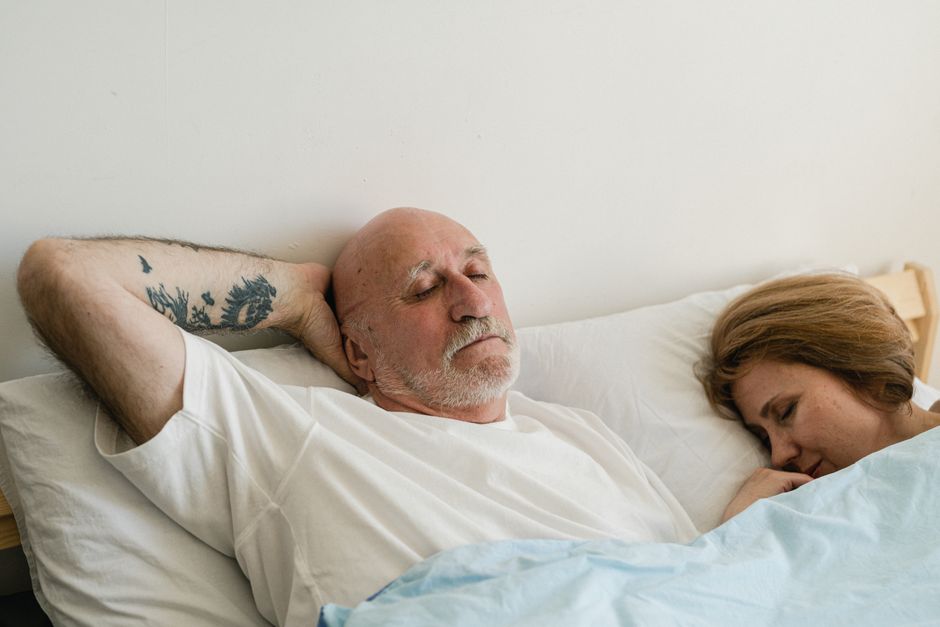
A VA sleep apnea test is hard to fail on purpose, but it is surprisingly easy to fail by accident. The most common reason veterans end up with a negative or “insufficient” result is not that they cheated the test. It is that the test was set up wrong, worn wrong, or read as normal on a night that did not reflect how they actually sleep. If your study came back negative and you believe it is wrong, the path forward is to request the raw data, ask for a repeat or an in-lab study, and file a supplemental claim if your rating decision was based on that test.
What Does It Actually Mean To “Fail” A VA Sleep Apnea Test?
Failing a sleep apnea test means the study did not produce a diagnosis of obstructive sleep apnea. That is not the same as proving you do not have it.
A home sleep apnea test measures a few signals: airflow through the nose and mouth, oxygen saturation in your blood, breathing effort, and sometimes body position. It does not measure brain waves, so it cannot tell how long you actually slept. It also cannot reliably detect central sleep apnea, where the brain stops sending the signal to breathe.
When a home test comes back negative, the result usually falls into one of three buckets:
- Technically inadequate. Too little recording time, a sensor that fell off, or a signal the scoring software could not read.
- Genuinely negative. The recording was good and your breathing looked normal that night.
- False negative. The recording was good, but you slept poorly, slept on your side instead of your back, or drank alcohol, and the apnea did not show up.
The American Academy of Sleep Medicine has long held that a home sleep apnea test is not appropriate for everyone. It is generally intended for adults with a moderate to high chance of moderate to severe obstructive sleep apnea and no major heart, lung, or neuromuscular disease. For other patients, an in-lab study is the better tool. If your VA provider ordered a home test anyway, that mismatch alone can explain a negative result.
Why Do So Many Veterans Get A Negative Result On A Home Test?
Home sleep apnea tests are convenient and cheap, but they are less sensitive than in-lab studies. That gap is the single biggest source of missed diagnoses.
An in-lab polysomnography study records brain activity, eye movement, muscle tone, heart rhythm, airflow, oxygen, and breathing effort. It can tell when you are asleep, what stage of sleep you are in, and whether your breathing events happen in a specific position. A home test records a fraction of that.
Several practical problems show up again and again:
- The device is worn for one night. Sleep apnea varies night to night, and one night is a small sample.
- People often sleep worse at home with sensors taped to their face and a belt around the chest. Less sleep means fewer breathing events to count.
- Positional apnea only appears when you are on your back. If you spent the night on your side, the test can look clean.
- Nasal cannulas clog, belts slip, and finger probes fall off. Any of these produces data that cannot be scored.
There is also a scoring threshold issue. Apnea-hypopnea index, or AHI, is the number of apnea and hypopnea events per hour of sleep. A diagnosis of obstructive sleep apnea generally requires an AHI of at least 5 with symptoms, or 15 or higher regardless of symptoms. On a home test, “per hour of sleep” is often estimated from total recording time instead of actual sleep time. If you were awake for part of the night, that estimate can be artificially low.
How Do You Fail A VA Sleep Apnea Test On Purpose?
You can lower your chances of a positive result, but there is no reliable way to guarantee a negative one. Anyone describing a surefire method online is guessing.
Things that tend to suppress apnea events on a test night include:
- Sleeping on your side the entire night, if your apnea is positional.
- Sleeping very little, so there are few events to record.
- Avoiding alcohol and sedatives, which can worsen apnea.
- Keeping the room quiet and cool so you sleep lightly and move less.
None of these is a method. They are just conditions that make a mild case look milder. If you have moderate or severe obstructive sleep apnea, it will usually show up anyway.
It is worth being direct about why someone would ask this. Some veterans worry that a diagnosis will affect their career, their security clearance, or how they are treated. Others have been told by a friend that a negative test is easier to live with. That reasoning usually backfires. Untreated moderate to severe sleep apnea is associated with higher rates of high blood pressure, heart rhythm problems, stroke, and motor vehicle accidents. The test is not the problem.

What Should You Do If Your VA Sleep Apnea Test Came Back Negative?
Request the raw data and ask for a repeat study. A negative result is a data point, not a final answer, and the VA process allows you to challenge it.
Start with these steps:
- Ask for the full report, not just the summary. You want the total recording time, the estimated sleep time, the AHI, the oxygen desaturation index, and any note about poor signal quality.
- Ask whether the study was technically adequate. If the report says “insufficient data” or “study limited by artifact,” that is grounds for a repeat.
- Ask for an in-lab polysomnography. If you have heart failure, significant lung disease, a neuromuscular condition, or you are being evaluated for central sleep apnea, a home test was not the right study in the first place.
- Document your symptoms. Snoring, witnessed pauses in breathing, gasping awake, morning headaches, and daytime sleepiness all matter. A negative test in someone with clear symptoms deserves another look.
- Talk to your VA provider about a repeat. A single negative home test does not close the door, especially if the study was done at home and you slept poorly.
If your VA disability rating decision already used that negative test, you can file a supplemental claim with new and relevant evidence. A repeat study that shows apnea, or a medical opinion explaining why the first test was inadequate, both count. The deadline for a supplemental claim is one year from the decision date if you want to preserve the original effective date.
What If You Already Have A Diagnosis And Worry About Losing It?
A confirmed diagnosis of obstructive sleep apnea does not disappear because of one bad night. It is based on the study that produced it, and it stays in your record.
What can change is your disability rating. The VA rates sleep apnea under a specific diagnostic code, and the rating depends on how severe your condition is and whether you use prescribed treatment such as CPAP. If you stop using CPAP, the VA may propose a reduction. That is a separate process from the original test.
If you receive a proposal to reduce your rating, you have the right to request a hearing and submit evidence within 30 days of the notice, and you have 60 days to submit evidence to dispute the reduction. Do not ignore the letter.
What Is The Difference Between A Home Test And An In-Lab Study?
The two studies measure different things, and that difference decides whether a negative result can be trusted.
| Feature | Home Sleep Apnea Test | In-Lab Polysomnography |
|---|---|---|
| Brain wave monitoring | No | Yes |
| Measures actual sleep time | No, estimates it | Yes |
| Detects central sleep apnea | Poorly | Yes |
| Detects leg movements | No | Yes |
| Supervised by a technologist | No | Yes |
| Typical use | Adults with suspected moderate to severe OSA, no major heart or lung disease | Suspected central apnea, significant heart or lung disease, or a negative home test with ongoing symptoms |
The takeaway is not that home tests are useless. They are a reasonable first step for many people. They are just not the final word when symptoms and results do not match.
Frequently Asked Questions
Can you fail a VA sleep apnea test on purpose?
Not reliably. You can reduce the chance of a positive result by sleeping on your side, sleeping very little, and avoiding alcohol, but a moderate or severe case will usually still show up. There is no proven method to guarantee a negative study.
What happens if my VA sleep apnea test is negative but I still have symptoms?
Ask your VA provider for an in-lab polysomnography or a repeat home test, since a single negative home study does not rule out sleep apnea. Bring a written list of your symptoms and ask whether the first study was technically adequate.
Can I appeal a VA rating decision based on a negative sleep apnea test?
Yes. You can file a supplemental claim with new and relevant evidence, such as a repeat study showing apnea or a medical opinion explaining why the first test was inadequate. Filing within one year of the decision helps preserve the original effective date.
Does the VA accept a home sleep apnea test for a disability claim?
Yes, the VA accepts home sleep apnea tests as evidence when the study is properly conducted and interpreted. An in-lab study may carry more weight because it measures actual sleep time and can detect conditions a home test misses.
