
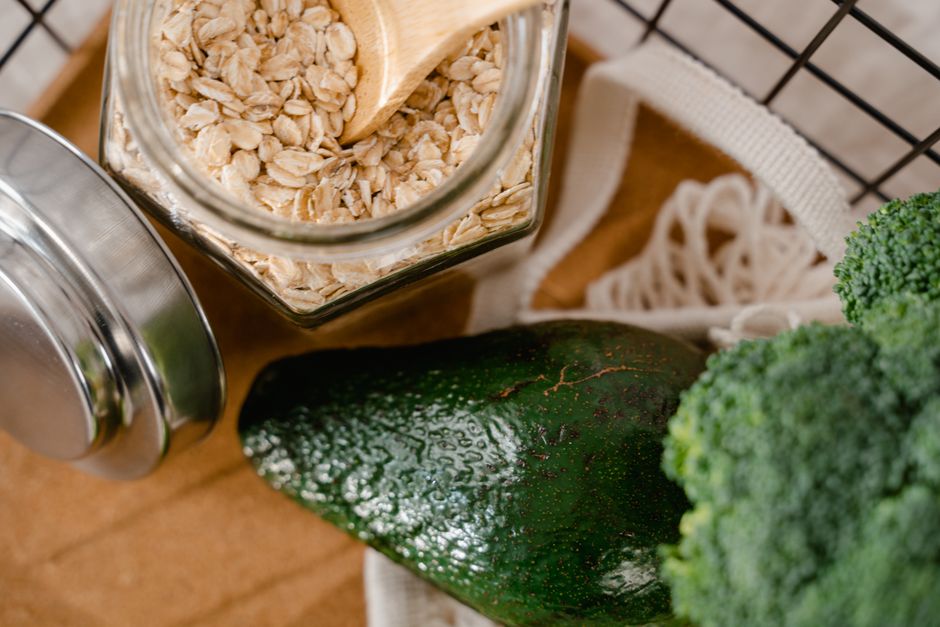
You can extract avocado oil at home using two main methods: the cold-press method, where you dry avocado flesh and press the oil out mechanically, and the water-and-heat method, where you simmer mashed avocado in water and skim the oil that floats to the top. Both work. Neither produces the refined, shelf-stable oil you buy in a store. Homemade avocado oil is best treated as a fresh, small-batch product to use within a short window rather than a pantry staple.
Avocado flesh contains roughly 15 percent oil by weight, depending on the variety and ripeness. That means a large avocado might yield a few tablespoons of oil at best, and often less. Understanding that math up front saves disappointment. The process is real and doable, but the payoff is modest.
What Is Avocado Oil and Why Extract It at Home?
Avocado oil is the fat pressed from the flesh of the avocado fruit, not the seed. It is high in monounsaturated fat, mostly oleic acid, the same fat that dominates olive oil. That similarity is why people compare the two.
Commercial avocado oil is usually extracted in one of two ways. Virgin or cold-pressed oil comes from mechanically pressing dried or fresh avocado flesh without chemical solvents. Refined avocado oil goes through additional processing, often involving heat and sometimes solvents, to neutralize flavor and raise the smoke point. Most grocery store bottles labeled simply “avocado oil” are refined.
People extract it at home for a few reasons. Some want an unrefined oil with more of the fruit’s natural flavor and color. Some are working through a large harvest from a backyard tree. Others simply want to understand where their food comes from.
One honest clarification: homemade avocado oil is not automatically “healthier” than store-bought. Refining removes some compounds, but it also creates a more stable product. Unrefined homemade oil can turn rancid faster because it still contains water, pulp particles, and other materials that speed up oxidation. Freshness and storage matter more than the label.
What You Need Before You Start
Both methods require ripe avocados. Underripe fruit has less oil and more starch. Overripe fruit may already be oxidizing. A ripe avocado gives slightly to gentle pressure and has dark, even skin.
Basic equipment for either method:
- Ripe avocados, several for a meaningful yield
- A sharp knife and spoon for scooping flesh
- A blender or food processor
- A fine-mesh strainer or cheesecloth
- A clean glass jar with a lid
- A dark, cool storage spot
The cold-press method also needs a dehydrator or a low oven, plus a pressing tool. The water method needs a saucepan and a heat source. Neither method requires special chemicals.
How To Extract Avocado Oil At Home: 2 Methods
Here are the two approaches, step by step. The water method is faster and easier for beginners. The cold-press method takes longer but avoids heat during extraction.
Method 1: The Water-and-Heat Method
This method relies on a simple fact: oil and water do not mix, and oil floats. Heat helps release the oil from the fruit’s cells.
Start by scooping the flesh from several ripe avocados and mashing or blending it into a thick paste. Add the paste to a saucepan with roughly equal parts water. Simmer gently, stirring, for about 15 to 20 minutes. Do not let it boil hard, which can emulsify the mixture and make separation harder.
Remove from heat and let it cool slightly. The oil will begin to rise. Skim the oily layer from the surface with a spoon, or pour the mixture through a fine strainer or cheesecloth into a jar. Let the collected liquid sit so any remaining water settles to the bottom. The oil stays on top.
Repeat the simmer-and-skim step with fresh water on the leftover pulp if you want to recover more oil. Expect a low yield. Several avocados may give only a few tablespoons.
Method 2: The Cold-Press Method
This method avoids added heat during extraction. It starts with drying the fruit.
Scoop and mash the avocado flesh, then spread it thinly on dehydrator trays or a lined baking sheet. Dry at a low temperature, roughly 100 to 115 degrees Fahrenheit, until the flesh is brittle and no longer moist. This can take many hours depending on thickness and humidity. A low oven with the door slightly open can work, but watch it closely.
Once fully dry, grind the dried flesh into a coarse powder. Then press it to release the oil. A home oil press works best. Without one, you can wrap the powder in cheesecloth and squeeze it hard, or press it between clean boards. The yield from manual squeezing is small.
Let the pressed oil settle in a jar, then strain it again through fine cloth to remove particles. Store it cold and dark.
Which Method Should You Use?
The water method is the practical choice for most home cooks. It needs no special equipment and takes an afternoon. The cold-press method produces a cleaner oil but demands a dehydrator and, realistically, a press to get a usable amount.
| Feature | Water-and-Heat Method | Cold-Press Method |
|---|---|---|
| Equipment needed | Pot, blender, strainer | Dehydrator, press or cloth |
| Time required | A few hours | A day or more |
| Heat exposure | Moderate during simmer | Low during drying only |
| Difficulty | Beginner-friendly | More involved |
| Typical yield | Low | Low to very low |
Neither method is fast or high-yield. That is the honest reality of home extraction. If you need a reliable supply of avocado oil, buying it is far more efficient.
How Much Oil Will You Actually Get?
Avocado flesh is roughly 15 percent oil by weight, but home extraction never recovers all of it. Realistic recovery is well below that figure because pulp, water, and handling losses take a share.
A medium avocado has edible flesh weighing a few ounces. Even at the theoretical maximum, that is a small amount of oil. In practice, expect a few tablespoons from several avocados using the water method, and often less from manual cold-pressing.
This is the part most tutorials gloss over. The process is satisfying and educational, but it is not a way to stock your kitchen. Treat it as a small-batch experiment.
How Should You Store Homemade Avocado Oil?
Homemade oil spoils faster than commercial oil. It contains trace water and pulp that accelerate oxidation, and it lacks the stabilizing steps of commercial refining.
Store it in a clean glass jar, sealed, in a cool dark place or the refrigerator. Light and heat both speed rancidity. Use it within a few weeks rather than months. If it smells off, sharp, or paint-like, discard it. Rancid oil is not safe to eat.
Watch for water at the bottom of the jar. Any visible water shortens shelf life and can support microbial growth. Skim the oil off the top and leave the water behind.
Is Homemade Avocado Oil Safe?
Homemade avocado oil is generally safe when made with clean equipment and stored properly. The main risks are spoilage from trapped moisture and contamination from dirty tools or jars.
Wash and dry all equipment thoroughly. Use clean jars. Keep the finished oil cold and use it promptly. These steps matter more than any single technique.
One caution worth stating plainly: no established food-safety guidance specifically covers home avocado oil extraction, so the standard advice for homemade oils applies. Keep it clean, keep it cold, and do not keep it long. If you are unsure whether a batch has spoiled, throw it out.
Also note that unrefined homemade oil has a lower smoke point than refined commercial oil. It is better for dressings and low-heat uses than for high-heat frying, where it may smoke and break down.
How Does Homemade Compare to Store-Bought?
Store-bought avocado oil is more consistent, more shelf-stable, and far cheaper per ounce once you account for the avocados. Refined versions tolerate higher heat. Virgin versions keep more flavor and color.
Homemade oil offers freshness and control but scores lower on convenience, yield, and shelf life. It is a craft project with a real product at the end, not a money-saving habit. That is the fair comparison.
Frequently Asked Questions
Can you extract avocado oil without a press?
Yes. The water-and-heat method needs no press at all, just a pot, blender, and strainer. Cold-pressing without a press is possible with cloth and manual squeezing, but the yield is very small.
How many avocados does it take to make oil?
Several avocados yield only a few tablespoons at best, since flesh is roughly 15 percent oil and home recovery is lower. There is no efficient home scale for making large batches.
Does homemade avocado oil need to be refrigerated?
Yes, refrigeration is the safer choice. Homemade oil contains trace water and pulp that speed spoilage, so keep it cold and dark and use it within a few weeks.
Is homemade avocado oil healthier than store-bought?
Not necessarily. Homemade oil is fresher and less processed, but it spoils faster and is less stable. No evidence shows homemade oil is healthier than commercial oil.
