
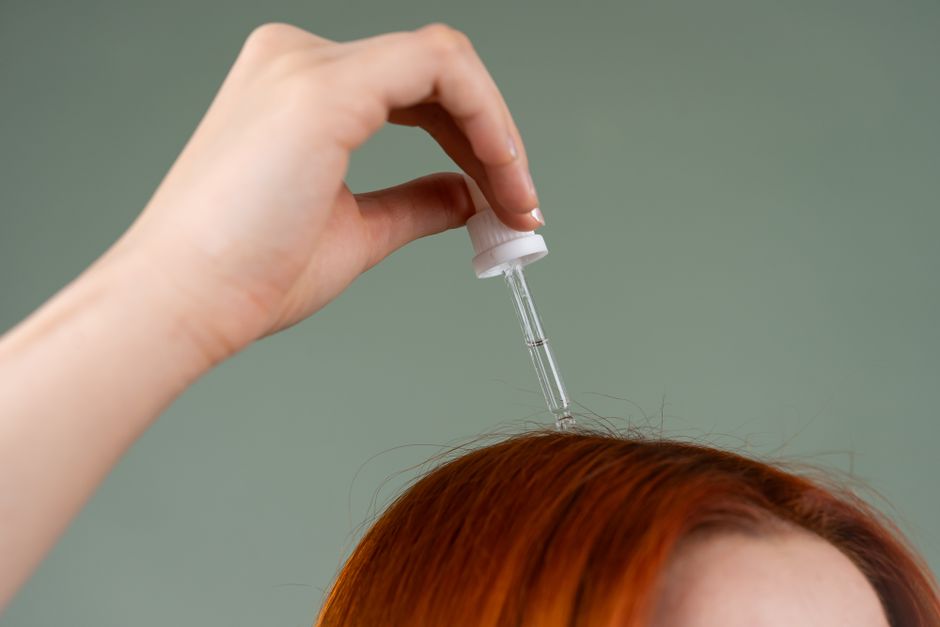
Scalp exfoliation removes dead skin cells, product buildup, and excess oil from the surface of your scalp. It is the same principle as exfoliating the skin on your face, but the scalp has unique needs because of hair density and oil production. Done correctly, it can improve scalp health and reduce flaking. Done incorrectly, it can cause irritation, inflammation, and hair breakage.
Why Should You Exfoliate Your Scalp?
The scalp sheds dead skin cells just like the rest of your body. Normally this happens without notice. But buildup can occur when oil, styling products, and dead cells mix together. This buildup can clog hair follicles and make the scalp feel tight or itchy.
Exfoliation helps remove this layer of buildup. It does not cure dandruff or other scalp conditions on its own, but it can be part of a healthy scalp routine. Some people report that regular exfoliation helps their scalp feel cleaner longer and may help other scalp treatments work better because they can reach the skin instead of sitting on top of buildup.
The evidence for scalp exfoliation is mostly practical rather than from large clinical trials. Dermatologists commonly recommend it as part of managing flaky scalp conditions, but it is not a medical treatment for any diagnosed condition.
How To Exfoliate Scalp: The Basic Steps
Start with dry or damp hair. Part your hair in sections so you can see and reach the scalp. Apply the exfoliant directly to the scalp, not the hair shaft. Use your fingertips or a soft silicone scalp brush to massage in small circular motions. Move across the entire scalp methodically — front, crown, sides, and the nape of the neck.
Massage gently for one to three minutes. You are not scrubbing a floor. Pressure should be light enough that it never feels painful or abrasive. Rinse thoroughly with warm water. Follow with your normal shampoo and conditioner routine.
How often you exfoliate depends on your scalp type and the product you use. Once a week is a reasonable starting point for most people. People with very oily scalps may tolerate twice a week. People with sensitive skin or active scalp conditions should start with once every two weeks and adjust based on how their scalp responds.
Physical Vs. Chemical Scalp Exfoliants
There are two main types of scalp exfoliants: physical and chemical. Each works differently, and neither is universally better.
Physical exfoliants use small particles or textured tools to manually slough off dead skin. Examples include sugar or salt scrubs, brushes with soft bristles, and silicone scalp massagers. These provide immediate, noticeable results. The risk is over-scrubbing, which can cause micro-tears in the skin and worsen irritation.
Chemical exfoliants use acids or enzymes to dissolve the bonds between dead skin cells so they shed naturally. The most common types are:
- Salicylic acid — oil-soluble, meaning it can penetrate through oil to reach the skin. Good for oily scalps and buildup.
- Glycolic acid — water-soluble, effective at removing dead cells from the surface. Can be too strong for sensitive scalps.
- Lactic acid — a gentler alpha-hydroxy acid that also holds moisture.
- Enzymes — typically from fruit, these break down protein-based debris and are usually the gentlest option.
Chemical exfoliants are often less irritating than physical ones because you cannot over-scrub. But they require careful product selection and proper rinsing. Some leave-on scalp serums contain low concentrations of these acids for daily use.





What To Look For In a Scalp Exfoliant Product
Read the ingredient list before buying. Look for the active exfoliating ingredient listed near the top of the ingredient list. If it is near the bottom, the concentration is likely too low to do much.
For a physical scrub, the exfoliating particles should be fine and smooth. Avoid products with large, jagged particles like crushed shells or coarse salt if you have a sensitive scalp. These can create small cuts in the skin.
For a chemical exfoliant, start with a lower concentration. Products with one to two percent salicylic acid or five to ten percent glycolic acid are common starting points. If your scalp becomes red, itchy, or painful after use, stop the product. That is a sign it is too strong for you.
Fragrance is a common irritant. If you have sensitive skin, choose fragrance-free formulas. Essential oils can also cause reactions even though they are natural.
Can You Make a DIY Scalp Scrub at Home?
Yes, but with clear limits. Brown sugar mixed with a carrier oil like jojoba or coconut oil makes a simple physical scrub. The sugar dissolves as you massage, which reduces the risk of over-scrubbing compared to salt. Use about two parts sugar to one part oil.
Do not use baking soda on your scalp. It has an alkaline pH around 8 to 9, while your scalp’s natural pH is around 4.5 to 5.5. Baking soda can disrupt the skin barrier and cause dryness and irritation. This is one of the more common DIY mistakes people make.
Do not use lemon juice, which is far too acidic for the scalp and can cause chemical burns with sun exposure. Coffee grounds can work as a physical exfoliant, but they are coarse and can be too abrasive for many people.
Home exfoliants cannot match the controlled concentrations of commercial chemical exfoliants. If you want the benefits of salicylic or glycolic acid, buy a product made for that purpose rather than trying to mix acids at home.
Scalp Conditions That Need Special Caution
Exfoliation is not appropriate for every scalp. If you have any of the following, talk to a dermatologist before starting a scalp exfoliation routine:
- Active psoriasis plaques — exfoliating can tear off scales and cause bleeding or worsening of the condition.
- Open sores, cuts, or scabs — exfoliating an open wound risks infection.
- Severe seborrheic dermatitis — gentle exfoliation may help some people, but aggressive scrubbing can flare the condition.
- Hair loss conditions — if you are losing hair, the cause should be diagnosed before you add any new scalp treatment.
- Recent hair transplant or scalp surgery — wait until your surgeon clears you.
If your scalp is painful, weeping, or severely inflamed, do not exfoliate. See a dermatologist first. Exfoliation is not a treatment for an undiagnosed scalp problem.
Common Mistakes To Avoid
The most common mistake is scrubbing too hard. The scalp is skin. It can bruise, tear, and become inflamed just like skin anywhere else. If your scalp feels raw or stings after exfoliating, you were too aggressive.
Another mistake is exfoliating right before or after chemical hair treatments like relaxers, perms, or color treatments. These processes already stress the scalp and hair. Exfoliating around the same time can significantly increase irritation.
Exfoliating wet hair with a fine-tooth comb is not scalp exfoliation. That is detangling, and doing it on the scalp can pull hair out at the root.
Finally, do not leave a physical scrub on your scalp. These products are designed to be massaged and rinsed away. Leaving them on can clog follicles and cause buildup, which is the opposite of what you are trying to achieve.
What Exfoliation Cannot Do
Scalp exfoliation does not treat dandruff caused by the yeast Malassezia. That requires an antifungal or anti-dandruff shampoo with active ingredients like zinc pyrithione, ketoconazole, or selenium sulfide. Exfoliation removes flakes but does not address the underlying yeast overgrowth.
Exfoliation does not stimulate hair growth. No clinical evidence confirms that removing dead skin cells from the scalp causes hair to grow faster or thicker. Some people believe it improves the environment for hair follicles, but this has not been proven in controlled studies.
Exfoliation does not replace shampooing. It is an additional step, not a substitute. You still need to wash your hair and scalp regularly to remove oil and sweat.
Be skeptical of marketing claims that scalp exfoliation will “detoxify” or “balance” your scalp. These are not medical terms and have no agreed-upon clinical meaning. The measurable benefit of exfoliation is removing buildup and dead cells. That is it.
Signs You Are Exfoliating Too Much
Your scalp will tell you when you have overdone it. Watch for these signs:
- Redness or visible irritation
- Burning or stinging, especially when applying products
- Increased flaking — paradoxically, over-exfoliation can cause the skin to dry out and peel more
- Tenderness when touching the scalp
- Excessive oiliness — stripping the scalp can trigger rebound oil production
If you notice any of these, stop exfoliating for two weeks. Use only a gentle, fragrance-free shampoo during that time. Let the skin barrier recover. When you restart, exfoliate less often and with a gentler method.
Frequently Asked Questions
How often should you exfoliate your scalp?
Once a week is a safe starting point for most people. Adjust to every two weeks if your scalp is sensitive, or twice a week only if your scalp is very oily and tolerates it well.
Can scalp exfoliation cause hair loss?
No evidence shows that proper exfoliation causes hair loss. However, aggressive scrubbing can break hair strands and irritate the follicles, so always use light pressure.
Is a scalp scrub better than a chemical exfoliant?
Neither is better for everyone. Physical scrubs give immediate results but carry a higher risk of irritation. Chemical exfoliants are gentler for most people but require the right product and concentration.
Can you exfoliate your scalp if you have dandruff?
Yes, but exfoliation alone will not treat dandruff. Dandruff is caused by yeast overgrowth, which requires an anti-dandruff shampoo. Exfoliation can remove visible flakes but should be done gently alongside proper treatment.
