
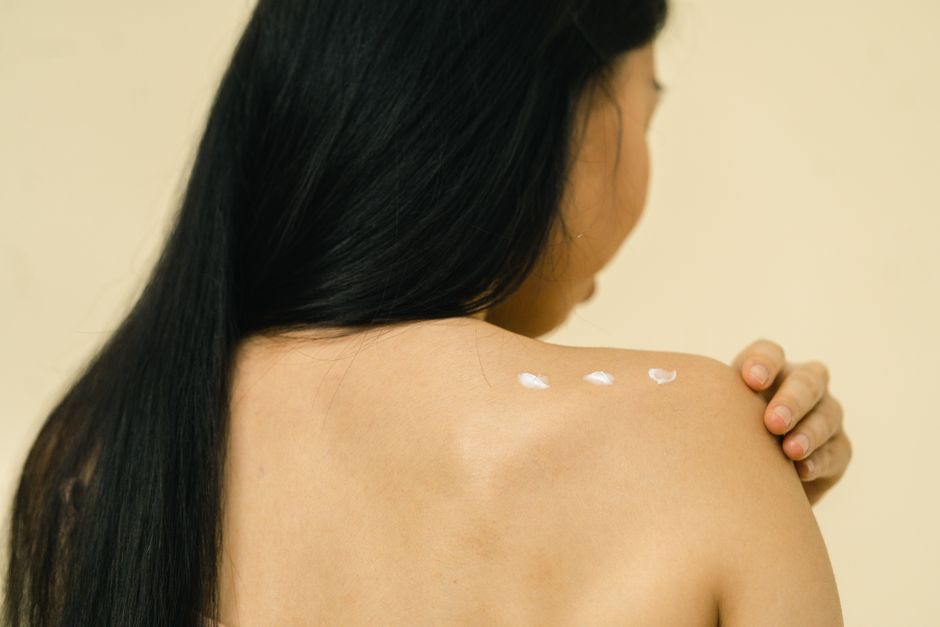
Even skin color is not about bleaching or forcing your skin to change. It is about reducing the things that create contrast — sun damage, inflammation, and irritation — while giving your skin’s natural pigment system time to settle. The steps that actually work are consistent sun protection, gentle daily care, and patience, because pigment changes fade slowly and no product erases them overnight.
What Actually Causes Uneven Skin Color?
Skin color comes from melanin, a pigment made by cells called melanocytes in the deeper layer of your skin. Everyone has roughly the same number of these cells. What differs is how much melanin they produce and how it is distributed.
Uneven color happens when melanin production becomes clustered or excessive in certain spots. This is called hyperpigmentation. The most common triggers fall into a few categories:
- Sun exposure. UV light directly stimulates melanocytes to make more melanin. This is the single biggest driver of most uneven color.
- Inflammation. Acne, eczema, insect bites, cuts, and burns can all leave dark marks after they heal. This is called post-inflammatory hyperpigmentation.
- Hormones. Melasma is a patterned darkening often linked to hormonal shifts, including pregnancy and some forms of hormonal birth control.
- Medications and medical conditions. Some drugs and certain health conditions can cause pigment changes.
- Age. Years of cumulative sun exposure often show up later as sun spots and blotchy patches.
One clarification worth knowing: the dark mark left after a pimple is not a scar. It is pigment deposited in the skin during healing. Scars involve a change in skin texture or structure. These marks respond differently, and the distinction matters for what you do next.
How To Even Skin Color Step By Step
The order of these steps matters more than the products you buy. Sun protection comes first because without it, everything else is working against a current you keep swimming into.
Step 1: Protect from the sun every day
UV exposure is the main reason pigment darkens and the main reason it comes back after fading. Daily sunscreen is the foundation of any plan to even skin tone. The American Academy of Dermatology recommends broad-spectrum sunscreen with SPF 30 or higher, reapplied about every two hours during sun exposure.
Broad-spectrum matters because it covers both UVA and UVB. UVA reaches deeper into the skin and plays a large role in pigment problems. Clouds do not block UVA. Window glass blocks UVB but not all UVA, so daily use applies even on cloudy days and indoors near windows.
Step 2: Stop the source of irritation
If your uneven color comes from acne, eczema, or another ongoing skin issue, that issue has to be managed or new marks will keep forming. Picking at skin, scrubbing hard, and using harsh exfoliants all cause inflammation that can trigger more pigment. This is one of the most overlooked steps. People chase fading products while their daily habits keep creating new dark spots.
Step 3: Use ingredients with real evidence behind them
A handful of topical ingredients have meaningful research support for fading hyperpigmentation. Others are mostly marketing. The better-supported options include:
- Hydroquinone. Long considered a standard for hyperpigmentation. In the US it is available over the counter at 2% and by prescription at higher strengths. It should be used under guidance, and cycling it is common practice because of concerns about long-term use.
- Retinoids. Tretinoin and related vitamin A derivatives speed up skin cell turnover and have evidence for fading pigment over months of use.
- Azelaic acid. Studied for melasma and post-inflammatory hyperpigmentation, and generally well tolerated.
- Vitamin C. An antioxidant that some studies suggest can help with pigmentation, though formulations vary widely and results are not uniform.
- Niacinamide. Some evidence indicates it can reduce the transfer of pigment to skin cells. Effects are modest.
- Tranexamic acid. Used topically and orally for melasma in some clinical settings. Oral use requires medical supervision.
No single ingredient works for everyone. What works depends on the type of pigmentation, your skin, and how consistently you use it. A dermatologist can help match the approach to the cause.
Step 4: Be patient and consistent
Pigment fades slowly. Realistic timelines are measured in months, not days. Many people give up at four weeks, right before results would begin to show. Consistency with a small number of proven steps beats constantly switching products.
Step 5: Consider professional treatment for stubborn cases
When topical care is not enough, in-office options exist. These include chemical peels, laser therapy, and microneedling. Results vary, and some treatments carry a risk of making pigmentation worse, especially in people with darker skin tones. This is not a do-it-yourself category. A qualified dermatologist should assess whether a procedure is appropriate for your skin type.
Which Skin Lightening Products Should You Avoid?
Some products marketed for lightening skin contain ingredients that are unsafe. Mercury is the most serious example. It can cause kidney damage and nervous system harm, and it can be absorbed through the skin. Mercury-containing creams have been found in products sold online and in some small shops, often without proper labeling.
Other risky ingredients include high-strength steroids mixed into creams without disclosure. Used on the face for long periods, these can thin the skin and cause other problems. If a product promises dramatic lightening in days, or lists no ingredients, treat that as a warning sign. Legitimate fading takes time, and honest products say so.
Does Diet or Hydration Affect Skin Color?
No strong evidence shows that drinking more water or eating specific foods evens out pigmentation. Hydration supports overall skin health, but it does not fade dark spots. Claims that certain juices or supplements “detox” pigment out of the skin are not supported by clinical research.
Some nutrients matter for skin health in general. Vitamin C and vitamin E support normal skin function, and deficiencies can affect the skin. But taking extra beyond what your body needs has not been shown to lighten pigmentation. The evidence here is limited, and it is worth being skeptical of supplements marketed specifically for even skin tone.
How Long Does It Take to Even Skin Color?
Fading takes months, not weeks. Some improvement may appear within a few weeks with consistent treatment, but meaningful change usually takes several months. Melasma is often the slowest to respond and the most likely to return, especially with sun exposure.
Two things slow progress more than anything else: skipping sun protection and stopping treatment too early. If you are doing both consistently and seeing nothing after a few months, that is a reasonable point to see a dermatologist rather than keep guessing.
When Should You See a Dermatologist?
See a doctor if a spot is new, changing, or unusual in shape, color, or size. A mole or mark that changes over time should always be checked, because it can sometimes signal skin cancer. This is separate from cosmetic unevenness and should not be ignored.
You should also see a dermatologist if:
- Pigmentation covers a large area or appeared suddenly
- Over-the-counter options have not helped after a few months of consistent use
- You have darker skin and are considering laser or peel treatments
- You are pregnant or breastfeeding and considering any fading product
Pregnancy and breastfeeding are categories where product choices need medical guidance. Many fading ingredients are not recommended during these periods, and no clinical guidelines support using them without a doctor’s input.
Frequently Asked Questions
Can uneven skin color go away on its own?
Some post-inflammatory marks fade over months without treatment, especially if the original cause is gone and you protect your skin from the sun. Melasma and sun-related spots usually need active treatment and ongoing sun protection to improve.
What is the fastest way to even skin tone?
There is no fast fix, but daily broad-spectrum sunscreen combined with a proven fading ingredient is the most reliable approach. Results still take months, and any product promising overnight change is not credible.
Is hydroquinone safe to use?
Hydroquinone has a long history of use for hyperpigmentation and is available over the counter at 2% in the US. Higher strengths require a prescription, and it is generally used in cycles under medical guidance rather than indefinitely.
Do skin lightening creams with mercury still exist?
Yes, mercury-containing creams are still found in some products sold online and in small shops, often without proper labeling. Mercury can cause serious kidney and nervous system harm, so these products should be avoided entirely.
