

Breast size is largely determined by genetics, hormones, and body composition. No cream, pill, or exercise has been proven to permanently enlarge breast tissue in adult women. The only methods with established medical evidence for increasing breast size are surgical procedures and, in some cases, hormone therapy or weight gain.
What Actually Determines Breast Size?
Breast tissue is made up of fat, glandular tissue, and connective tissue. The ratio of fat to glandular tissue varies from person to person. That ratio is mostly set by your genetics.
Hormones also play a major role. Estrogen and progesterone drive breast development during puberty, pregnancy, and the menstrual cycle. These hormones cause the milk ducts and glands to grow and the breast to retain fluid. This is why breasts often feel fuller or more tender before a period.
Body weight matters too. Since a large portion of the breast is fatty tissue, gaining weight can increase breast size. Losing weight often reduces it. No specific food targets breast fat specifically — fat loss and gain happen across the whole body.
Do Breast Enhancement Pills or Supplements Work?
No clinical evidence confirms that any oral supplement increases breast size. Products sold as breast enhancement pills typically contain herbs, vitamins, or plant estrogens. Some of these compounds have weak estrogen-like effects in the body, but no large human trials have shown they produce meaningful or lasting breast growth.
Some studies suggest certain plant estrogens may cause minor hormonal changes. However, this is not the same as demonstrating clinical benefit. The marketing claims for these products far outpace the science.
There is also a safety concern. Supplements are not regulated the same way medications are. The actual ingredients and doses in the bottle may not match the label. Some herbal breast enhancement products have been found to contain undisclosed pharmaceutical ingredients.
Can Exercises or Massage Increase Breast Size?
Exercise cannot enlarge breast tissue. The breast itself has no muscle. What lies beneath the breast is the pectoral muscle, and strengthening it can change the shape and position of the breast slightly.
Chest presses, push-ups, and fly exercises build the pectorals. A stronger, thicker pectoral muscle can push the breast forward and upward, which some women perceive as a fuller appearance. The change is modest and does not alter the actual breast tissue.
Massage and vacuum-based suction devices are sometimes promoted for breast enlargement. The evidence here is weak. Some research from the early 2000s explored vacuum suction devices for breast enhancement, but results were inconsistent and no standard clinical recommendation exists. Temporary swelling from suction or massage is not the same as tissue growth.



Does Weight Gain Increase Breast Size?
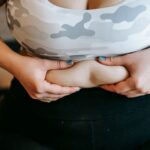
Yes, but not predictably. Breasts contain a significant amount of fatty tissue. When you gain weight, some of that fat is stored in the breasts. When you lose weight, it is often lost from the breasts first.
How much breast size changes with weight depends on your genetics and your body’s individual fat distribution pattern. Some women notice significant breast changes with weight fluctuation. Others see almost none.
There is no way to direct weight gain specifically to the breasts. Fat distribution is controlled by hormones and genetics, not by diet choices or exercises.
What Role Do Hormones Play?
Hormonal changes can affect breast size. Pregnancy is the most dramatic example. Hormone levels during pregnancy cause the milk glands to develop and the breasts to enlarge, sometimes by several cup sizes. These changes often reverse after breastfeeding ends.
Hormone replacement therapy (HRT) and oral contraceptives can also cause breast enlargement. Estrogen and progestin in these medications stimulate breast glandular tissue and fluid retention. Some women experience noticeable growth; others do not.
Using hormones solely for breast enhancement is not recommended. These medications carry real risks, including blood clots, stroke, and certain cancers. They are prescribed for medical purposes, not cosmetic ones. A doctor should always be involved in any decision to use hormone therapy.
What Are the Surgical Options?
Surgery is the only method with consistent, documented results for permanently increasing breast size.
Breast augmentation with implants is the most common procedure. A surgeon places silicone or saline implants either behind the breast tissue or behind the chest muscle. The procedure requires general anesthesia and has a recovery period of several weeks.
Fat transfer breast augmentation is a newer option. The surgeon removes fat from another part of your body — usually the abdomen, thighs, or flanks — and injects it into the breasts. Results are less predictable than implants because some of the transferred fat is reabsorbed by the body. It may take multiple sessions to achieve the desired size.
Both procedures carry risks. Infection, scarring, implant rupture, capsular contracture (hardening around the implant), and changes in nipple sensation are all possible. No surgical procedure is risk-free.
Are There Any Non-Surgical Procedures With Evidence?
Several non-surgical treatments are marketed for breast enhancement. These include topical creams, laser therapy, and radiofrequency devices. None has strong clinical evidence behind it.
Topical creams containing hormones may cause local tissue changes, but they are not approved for this use in the United States. Products containing phytoestrogens have not been shown to increase breast size in controlled trials.
Radiofrequency and laser devices claim to tighten skin and add volume. The evidence is limited to small studies with mixed results. No large clinical trials have confirmed that these devices produce lasting breast enlargement.
What About the Bra That Adds Size?
This is the simplest answer. A padded or push-up bra instantly increases the appearance of breast size. It does not change the breast itself, but it changes how clothes fit and how the silhouette looks.
Some women find this a practical, zero-risk alternative to surgery or supplements. It is also reversible — you can choose to wear it or not on any given day.
When Is Breast Asymmetry or Size a Medical Concern?
It is normal for breasts to be slightly different sizes. Most women have some degree of asymmetry. This is rarely a medical problem.
However, sudden breast enlargement, or growth in only one breast, warrants a medical evaluation. Rapid changes can indicate a cyst, fibroadenoma, or other tissue changes. These are usually benign, but they should be checked by a doctor.
Breast size itself is not a health risk. Extremely large breasts can cause back, neck, and shoulder pain, and skin irritation. This is a medical reason some women seek breast reduction surgery. But small breasts are not a medical problem and require no treatment.
Frequently Asked Questions
Can I enlarge my breasts naturally?
No natural method has been proven to permanently enlarge breast tissue. Weight gain may increase breast size because breasts contain fatty tissue, but you cannot control where the fat goes.
Do breast exercises work for enlargement?
Exercises strengthen the pectoral muscles beneath the breasts, which may slightly improve shape and position. They do not increase the size of the breast tissue itself.
Are breast enhancement pills safe?
No large studies have confirmed these pills work, and supplements are not regulated for safety or accuracy. Some products have been found to contain undisclosed ingredients.
What is the only proven way to enlarge breasts?
Breast augmentation surgery with implants is the only method with consistent, documented results. Fat transfer surgery is an option, but results are less predictable.
