
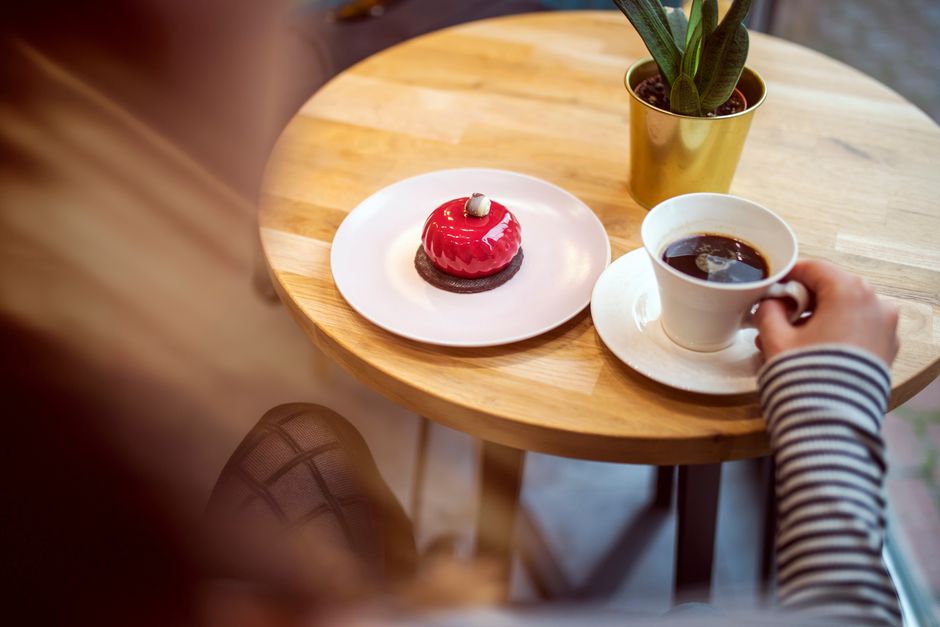
You can enjoy coffee without sugar by changing how you brew it, choosing beans that taste sweeter on their own, and adding flavor through aroma, temperature, and texture instead of sweetness. Sugar is not a requirement for good coffee — it is a habit, and habits can be retrained. Most people find that after a few weeks of drinking unsweetened coffee, their taste buds adjust and the bitterness they once masked becomes a manageable, even pleasant, part of the drink.
This guide explains why coffee tastes the way it does, what actually reduces bitterness, and how to build a cup you look forward to without reaching for the sugar bowl.
Why Does Coffee Taste Bitter Without Sugar?
Bitterness in coffee is a real chemical property, not a flaw in your palate. Caffeine itself is bitter, and so are compounds formed during roasting called chlorogenic acid lactones and phenylindanes. The darker the roast, the more of these bitter compounds develop.
But bitterness is only part of the story. Coffee also contains acids — citric, malic, acetic, and others — that give it brightness and complexity. When people add sugar, they are not really removing bitterness. They are adding sweetness that competes with it and softening the overall impression.
There is a useful distinction here that most coffee advice skips. Bitterness and sourness are different tastes, and they need different fixes. If your coffee tastes sharp or sour, the problem is usually under-extraction — water passed through the grounds too quickly or at too low a temperature. If it tastes harsh and ashy, the problem is often over-extraction or too dark a roast. Treating every unpleasant cup as “too bitter” leads people to add sugar when the real fix is a grind adjustment.
How To Enjoy Coffee Without Sugar by Changing Your Brew
Brewing method has more influence on perceived sweetness than most people realize. A well-extracted cup tastes rounder and naturally sweeter, which reduces the pull toward sugar.
Extraction is the process of dissolving coffee solids into water. Under-extracted coffee tastes sour and thin. Over-extracted coffee tastes bitter and dry. Properly extracted coffee sits in between — sweet, balanced, and clean. Three variables control this:
- Grind size. Finer grounds extract faster. If your coffee tastes sour, grind finer. If it tastes bitter, grind coarser.
- Water temperature. Water just off the boil, roughly 195 to 205 degrees Fahrenheit, extracts evenly. Boiling water can scorch lighter roasts and push bitterness.
- Brew time. Longer contact between water and grounds extracts more. A French press left too long turns bitter; a pour-over rushed too fast turns sour.
Change one variable at a time. Adjusting grind, temperature, and time all at once makes it impossible to know what worked.
Try a different brewing method
Some methods naturally produce sweeter-tasting cups. A French press keeps more oils and fine particles in the brew, which adds body and a rounder mouthfeel. Cold brew extracts at low temperature over many hours, which pulls fewer bitter compounds and often tastes smoother without any sweetener. Espresso, done well, concentrates sweetness and aroma into a small volume.
None of these is objectively better. They suit different palates. The point is that if your current method consistently produces a cup you want to sweeten, a different method may solve the problem at the source.
Which Coffee Beans Taste Sweeter Without Added Sugar?
Bean origin and roast level change the flavor profile substantially. Lighter roasts generally retain more of the sugars and acids that read as sweetness and fruit. Dark roasts develop more bitter compounds and taste more like toast, smoke, or dark chocolate.
That does not mean light roast is always better. Some people find light roasts too acidic. The practical move is to try a medium roast from a different origin and notice the difference. Coffees from certain growing regions — East Africa, parts of Central America — are often described as fruitier and more floral. Beans from Indonesia and parts of South America tend toward earthier, nuttier, or chocolate notes.
Freshness matters too. Coffee stales within weeks of roasting, and stale coffee tastes flat and harsh. Whole beans ground just before brewing preserve more aromatic compounds than pre-ground coffee. Aromatic compounds are a large part of what we perceive as flavor, and they fade quickly once the bean is ground.





What Can You Add to Coffee Instead of Sugar?
You can replace sugar with additions that add flavor, texture, or aroma without sweetness. The goal is not to mimic sugar but to make the cup more interesting.
Milk and cream are the most common additions. They add fat and protein that coat the tongue and soften harsh notes. For people watching calories, unsweetened plant milks work similarly. Note that many flavored creamers and plant milks contain added sugar — check the label, because “vanilla almond milk” is often sweetened.
Spices are another route. A pinch of cinnamon, a grating of nutmeg, or a small amount of cardamom adds aroma that the brain reads as richness. Vanilla extract, unsweetened cocoa powder, or a strip of citrus peel can shift the flavor profile without adding sweetness. Salt is a less obvious option — a very small pinch can suppress perceived bitterness, which is why some people salt their coffee. Use it sparingly.
Does Cutting Sugar From Coffee Actually Matter?
Yes, for most people. A single teaspoon of sugar contains about 16 calories and roughly 4 grams of added sugar. Two teaspoons in two cups a day adds up to about 16 grams of added sugar daily — a meaningful share of the recommended limit.
The American Heart Association recommends that women limit added sugar to about 25 grams per day and men to about 36 grams per day. Coffee sweetened with sugar is one of the most common sources of added sugar in American diets, partly because people do not think of it as a sweet food.
Cutting sugar from coffee is not a weight-loss strategy on its own. But it is a low-effort way to reduce added sugar without giving up the ritual of coffee itself.
How Do You Train Yourself to Drink Coffee Without Sugar?
Tapering works better than quitting cold. Sudden removal of sugar makes coffee taste unpleasantly bitter to most people, and that unpleasantness is what drives them back to the sugar bowl.
Reduce gradually. If you take two teaspoons, drop to one and a half for a week, then one, then half. Each step gives your taste receptors time to adjust. Most people notice the shift within a few weeks, though the timeline varies.
Change one thing at a time. If you are also switching to a new brew method or a new bean, do that first and let it settle before cutting sugar. Otherwise you will not know which change helped.
Pay attention to temperature. Coffee tastes sweeter as it cools slightly, because aromatic compounds become more volatile and reach your nose more readily. Very hot coffee can taste harsher. Letting a cup rest for a minute or two before drinking can make unsweetened coffee more pleasant.
Smell the coffee before you drink it. A large part of flavor perception comes from aroma, and consciously noticing the smell primes your brain to register complexity that sweetness would otherwise mask.
What About Artificial Sweeteners and Sugar-Free Syrups?
Artificial sweeteners and sugar-free syrups can replace the sweet taste of sugar without the calories. Whether they are a good long-term choice is a separate question, and the evidence is more mixed than marketing suggests.
Some studies suggest that regular use of artificial sweeteners may affect appetite regulation or the gut microbiome, but the research is not settled and results vary. For most people, occasional use in coffee is unlikely to be harmful. But relying on sweeteners to make coffee palatable keeps the palate trained to expect sweetness, which can make the transition to unsweetened coffee harder.
Sugar-free syrups often contain sugar alcohols, which can cause digestive discomfort in some people at higher amounts. If you use them, start small and notice how you feel.
Does Coffee Without Sugar Have Health Benefits?
Unsweetened coffee is associated with several health outcomes in large observational studies, though these studies cannot prove cause and effect. Research has linked regular coffee consumption to lower risk of type 2 diabetes, Parkinson’s disease, and some liver conditions. The associations are consistent across many studies, which makes them more credible, but they remain associations.
Adding sugar changes the picture. Sweetened coffee delivers added sugar and calories that can offset some of the potential benefits. The healthiest pattern, based on current evidence, is unsweetened or lightly sweetened coffee consumed in moderation.
People with certain conditions — including uncontrolled high blood pressure, anxiety disorders, or acid reflux — may need to limit caffeine regardless of whether they add sugar. Pregnant women are generally advised to limit caffeine to about 200 milligrams per day, which is roughly one 12-ounce cup of brewed coffee. Anyone with a medical condition should ask their clinician about their own limits.
Frequently Asked Questions
How long does it take to get used to coffee without sugar?
Most people notice their taste adjusting within two to four weeks of gradual reduction. The timeline varies, and tapering slowly tends to work better than stopping suddenly.
What can I put in coffee instead of sugar to make it taste better?
Milk, unsweetened plant milk, cinnamon, nutmeg, vanilla extract, or a very small pinch of salt can soften harshness and add flavor without sweetness. Check labels on flavored creamers, since many contain added sugar.
Is coffee without sugar healthier than coffee with sugar?
Unsweetened coffee avoids added sugar and calories, and large observational studies associate regular coffee drinking with several health benefits. Those studies cannot prove cause and effect, but cutting added sugar from coffee is a reasonable step for most people.
Why does my coffee taste bitter even without sugar?
Bitterness usually comes from over-extraction, too dark a roast, or stale beans. Grinding coarser, shortening brew time, or using fresher beans often reduces it.
