
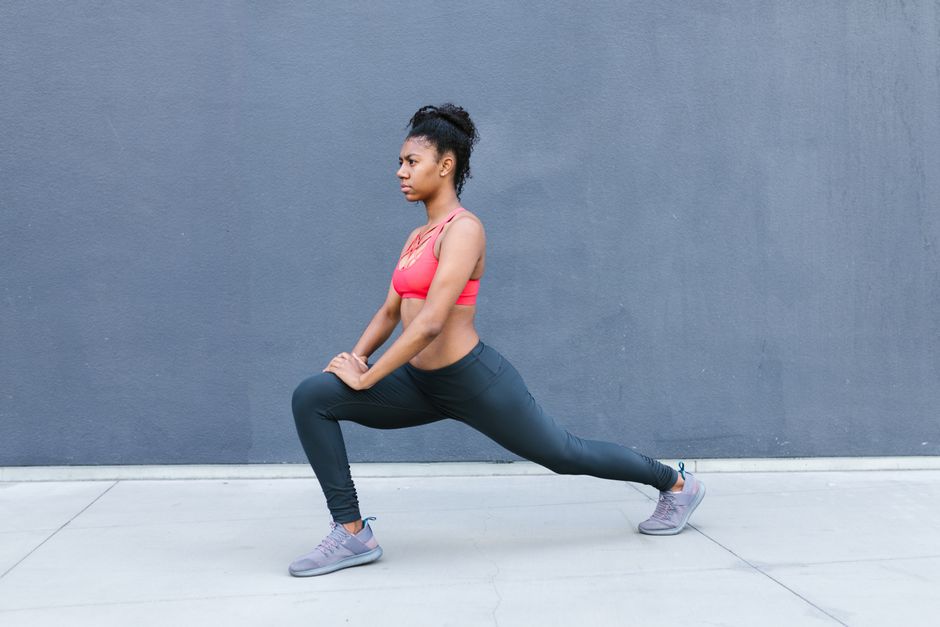
Your lungs are not fixed at birth. They respond to training, movement, and the way you breathe every day. To enhance lung capacity, the most reliable steps are regular aerobic exercise that makes you breathe hard, avoiding smoke and air pollution, treating conditions like asthma, and practicing breathing exercises that strengthen the muscles used for breathing. Nothing can make your lungs grow larger than their genetic size, but you can meaningfully improve how well they work.
What Does “Lung Capacity” Actually Mean?
The term gets used loosely. It helps to separate a few things that are not the same.
Total lung capacity is the maximum amount of air your lungs can hold. For a healthy adult this is roughly 6 liters, though it varies with height, sex, age, and genetics. This number is largely set by your body size and cannot be increased through training.
What you can change is how efficiently you move air in and out, how strong your breathing muscles are, and how well oxygen gets from your lungs into your blood. When people say they want to “enhance lung capacity,” they usually mean they want to breathe easier, last longer during exercise, or feel less winded going up stairs. Those goals are reachable.
There is a common myth worth clearing up. Breathing exercises do not enlarge your lungs. They strengthen the diaphragm and other breathing muscles, improve coordination, and can reduce the feeling of breathlessness. That is a real benefit, but it is a different thing from growing new lung tissue.
How Does Aerobic Exercise Change Your Lungs?
Regular aerobic exercise is the single most effective thing most people can do. Research consistently shows that endurance training improves cardiorespiratory fitness, which is a measure of how well your heart, lungs, and muscles work together during sustained activity.
Here is what happens. When you exercise hard enough to breathe deeply and quickly, your diaphragm and intercostal muscles (the muscles between your ribs) get a workout. Over weeks and months, they become stronger and more efficient. Your heart also pumps more blood per beat, and your muscles extract oxygen better. The result is that the same activity feels easier.
The key variable is intensity. Walking casually does not challenge your breathing much. To get the training effect, you generally need to reach a point where your breathing is noticeably faster and deeper. A common guideline is the “talk test” — you should be able to speak in short sentences but not carry on a full conversation.
Activities that work well include brisk walking, jogging, cycling, swimming, and rowing. Swimming deserves a mention because the resistance of water and the need to coordinate breathing with strokes can be particularly demanding on the breathing muscles. That said, no single activity is proven superior for lung function specifically.
How much? General public health guidelines recommend at least 150 minutes of moderate-intensity aerobic activity per week for adults, or 75 minutes of vigorous activity. These are established recommendations for overall health, not lung-specific prescriptions, but they are a reasonable starting point for most people.
Can Breathing Exercises Really Help?
Yes, but the effect is narrower than many people assume. Breathing exercises do not increase lung volume. They can improve the strength and endurance of your breathing muscles, help you breathe more efficiently, and reduce breathlessness in certain conditions.
Two techniques have reasonable evidence behind them.
Pursed-lip breathing involves breathing in through your nose and out through pursed lips, as if you were blowing out a candle slowly. It helps keep airways open longer during exhalation. This is commonly taught to people with chronic obstructive pulmonary disease (COPD) to manage breathlessness.
Diaphragmatic breathing, sometimes called belly breathing, trains you to use your diaphragm more fully rather than relying on your upper chest. It is often used in pulmonary rehabilitation programs.
For healthy people without lung disease, the evidence that these exercises boost exercise capacity is limited. They may help you feel more in control of your breathing, which has value. But they are not a substitute for aerobic exercise if your goal is fitness.
Devices called inspiratory muscle trainers (IMT) are marketed for strengthening breathing muscles. Some studies suggest they can improve inspiratory muscle strength, particularly in athletes or people with specific conditions. Whether that translates into meaningful performance gains for the average person is less clear. The evidence is mixed.



What About Smoke, Pollution, and Your Environment?
Protecting your lungs from damage is as important as training them. You cannot out-exercise the effects of inhaled toxins.
Cigarette smoke is the leading cause of preventable lung disease. It destroys alveoli (the tiny air sacs where gas exchange happens), causes chronic inflammation, and leads to COPD in a significant proportion of long-term smokers. Quitting smoking is the most important step anyone can take to preserve lung function. Lung damage from smoking is largely irreversible, but stopping slows the decline.
Secondhand smoke matters too. There is no safe level of exposure.
Air pollution is a growing concern. Fine particulate matter (PM2.5) can penetrate deep into the lungs and has been linked to reduced lung function and increased respiratory disease. If you live in an area with poor air quality, checking daily air quality indexes and limiting outdoor exercise on high-pollution days is reasonable. Indoor air matters as well — cooking fumes, mold, and radon are all worth addressing.
Occupational exposures are another factor. If you work around dust, chemicals, or fumes, proper respiratory protection is not optional.
Does Diet or Hydration Play a Role?
No specific food has been shown to increase lung capacity. That said, nutrition affects lung health in indirect ways.
Maintaining a healthy body weight matters. Excess weight, particularly around the abdomen, can restrict the diaphragm’s movement and make breathing harder. Obesity is associated with reduced lung volumes and increased breathlessness.
Some research suggests that diets rich in fruits and vegetables are associated with better lung function over time. Whether this is cause and effect is uncertain. It may partly reflect other lifestyle factors.
Staying hydrated helps keep mucus thin, which can make it easier to clear your airways. There is no specific amount proven to improve lung function, but general hydration guidelines for adults are well established.
No supplement has been shown to enhance lung capacity in healthy people. Marketing claims for “lung detox” products are not supported by clinical evidence.
When Should You Talk to a Doctor?
If you feel short of breath doing things that used to be easy, that is worth investigating. The same goes for a persistent cough, wheezing, or chest tightness.
Conditions like asthma, COPD, and interstitial lung disease can all limit lung function. Treating them properly — often with inhaled medications, pulmonary rehabilitation, or both — can improve how well you breathe. Some clinicians also recommend pulmonary rehabilitation for people with chronic lung conditions, and it has been shown to improve symptoms and exercise tolerance in that population.
You should not assume that breathlessness is just “being out of shape.” Sometimes it is. Sometimes it is not. A doctor can help sort that out.
What Actually Works: A Practical Summary
If you want to enhance how well your lungs work, here is what the evidence supports.
- Do aerobic exercise regularly, at an intensity that makes you breathe hard.
- Avoid smoking and secondhand smoke entirely.
- Limit exposure to air pollution and occupational hazards.
- Maintain a healthy weight.
- Treat underlying lung conditions with medical guidance.
- Consider breathing exercises as a supplement, not a replacement, for fitness training.
Be skeptical of products promising to “boost lung capacity” or “detox your lungs.” No clinical evidence supports those claims. The fundamentals — movement, clean air, and medical care when needed — are what matter.
Frequently Asked Questions
Can you actually increase your lung capacity?
You cannot increase the total volume your lungs can hold, which is largely determined by body size and genetics. You can improve how efficiently you breathe and how well your lungs deliver oxygen during activity through exercise and breathing muscle training.
Do breathing exercises increase lung capacity?
They do not increase lung volume, but they can strengthen breathing muscles and reduce breathlessness, especially in people with conditions like COPD. For healthy people, the effect on exercise capacity is less clear.
How long does it take to improve lung function with exercise?
Most people notice improved stamina within a few weeks of consistent aerobic training, though changes in cardiorespiratory fitness typically take several weeks to months to become measurable. Individual results vary based on starting fitness, age, and overall health.
Can lung damage from smoking be reversed?
Some inflammation may improve after quitting, but structural damage to alveoli is generally permanent. Quitting smoking remains the most important step to slow further decline in lung function.
