
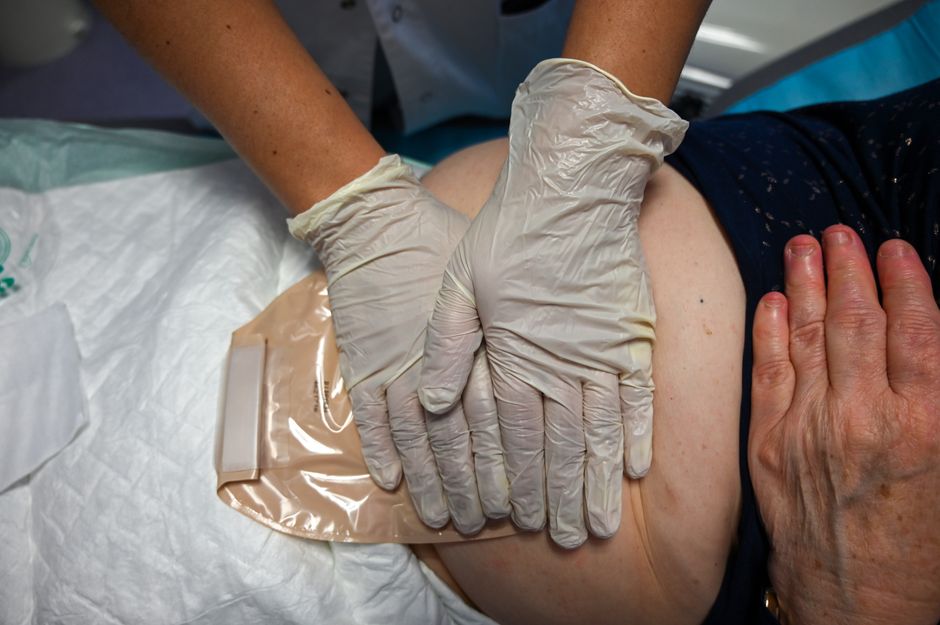
Emptying an ostomy bag is a simple routine once you have done it a few times. You empty it when it is about one-third to one-half full, not when it is stretched tight. You hold the bottom of the pouch over the toilet, open the outlet, let the contents drain, wipe the inside of the opening clean, and close it firmly. Most people can do the whole thing in a few minutes, and you do not need to change the pouch each time.
The steps are the same whether you have a colostomy or an ileostomy. What changes is how often you empty and the texture of what comes out. This guide walks through the process, the cleanup, and the common problems people run into.
How To Empty An Ostomy Bag Step By Step
Set up before you start so you are not reaching for supplies with one hand. Have toilet paper or soft wipes ready, and a small container of water if you like to rinse. Wash your hands first.
Here is the sequence most ostomy nurses teach:
- Position yourself. Sit on the toilet facing the tank, or stand facing the bowl, whichever feels steadier. Sitting is easier for many people because it relaxes the abdominal muscles.
- Point the outlet into the bowl. Hold the bottom of the pouch so the opening faces down into the water. Keep the pouch upright so contents flow down rather than back up toward the stoma.
- Open the closure. Most pouches use a clamp or a velcro-style fold-over tail. Unclip or unfold it slowly. If the pouch is very full, open it a little at a time so the flow does not surge.
- Let it drain. Gently roll or press the pouch from the top down, like squeezing toothpaste from the tube. Do not squeeze hard right next to the stoma.
- Clean the outlet. Wipe the inside of the tail with toilet paper. Some people rinse the tail with a little water from a squeeze bottle. Rinsing the tail is fine. Pushing large amounts of water up into the pouch is not necessary and can loosen the seal.
- Close it securely. Refold the tail and reattach the clamp or velcro closure. Run a finger along the fold to check it is fully sealed.
- Check the seal at the top. Make sure the pouch is still locked onto the baseplate or barrier ring. A pouch that is coming loose needs attention before it leaks.
- Wash your hands. Flush and wash with soap and water.
The whole routine takes most people two to five minutes. It gets faster with practice.
How Often Should You Empty an Ostomy Bag?
Empty when the pouch is about one-third to one-half full. That is the general guidance ostomy nurses give, and it is practical rather than medical. A pouch that gets too full becomes heavy, pulls on the skin barrier, and is more likely to leak or detach.
How often that works out to depends on the type of ostomy:
- Ileostomy (small intestine): output is usually liquid or paste-like and comes fairly steadily. Many people empty five to eight times a day, including once at night.
- Colostomy (large intestine): output is often formed or semi-formed and comes in bursts. Some people empty once or twice a day, and some use irrigation to schedule output.
- Urostomy (urinary diversion): the pouch collects urine continuously, so it is emptied several times a day, often every few hours.
These are typical patterns, not rules. Output changes with what you eat and drink, and with illness. If your output suddenly becomes much higher or much lower than usual, that is worth a call to your ostomy nurse or doctor.
What Supplies Do You Need to Empty a Bag?
You need very little. The pouch itself does the work.
- Toilet paper or soft, unscented wipes
- A clamp or closure that comes with your pouch (do not lose it — keep a spare in your bag)
- Optional: a small squeeze bottle of water for rinsing the tail
- Optional: a pouch deodorant or a few drops of commercial ostomy deodorant inside the pouch
You do not need gloves for routine emptying at home. If you are helping someone else, or if you have open cuts on your hands, gloves are reasonable.
How Do You Keep the Pouch Clean and Control Odor?
The pouch itself does not need to be scrubbed. Wiping the outlet after each empty is enough for most people. Some pouches are designed to be rinsed and reused for several days. Others are drainable but intended to be changed on a schedule your nurse sets.
Odor is the concern most people raise. A few things help:
- Empty before the pouch gets full. Full pouches smell more when opened.
- Close the outlet fully. A partly sealed clamp is a common cause of odor.
- Use an ostomy deodorant made for pouches. These are sold as drops or tablets. Evidence on how well they work is limited, but many people find them helpful.
- Keep the area around the stoma clean. Odor that comes from the skin, not the pouch, usually means the seal is failing.
Diet affects odor too. Some people notice stronger odor after certain foods. This varies a lot from person to person, so it is worth keeping a simple food and symptom note if odor is a problem for you.
What Should You Do If the Bag Leaks or the Seal Fails?
Leaks happen, especially early on while you are learning. The fix is to change the pouch and check the seal. Do not try to patch a failing seal with tape for long — output can get under the barrier and irritate the skin.
If a leak keeps happening in the same spot, the cause is usually one of these:
- The opening in the baseplate is the wrong size or shape for your stoma
- The skin around the stoma is not fully dry before the new pouch goes on
- The pouch is being pulled by clothing or a bag strap
- The pouch is being emptied too late and getting too heavy
An ostomy nurse (sometimes called a wound, ostomy, and continence nurse, or WOC nurse) can look at the fit and suggest a different product. This is one of the most useful appointments you can make. Small changes in barrier shape or pouch type often solve recurring leaks.
What Is the Difference Between Emptying and Changing a Bag?
Emptying and changing are two separate routines. Emptying happens several times a day and takes a couple of minutes. Changing the pouch and baseplate happens on a schedule — often every few days for drainable pouches, though the exact timing depends on the product and your skin.
Some people change the whole system at once. Others change the pouch more often than the baseplate, snapping a new pouch onto the existing barrier. Follow the schedule your ostomy nurse gives you, and change sooner if the seal is failing or the skin is irritated.
Skin irritation under the barrier is common and worth taking seriously. It can come from output getting under the seal, from adhesive sensitivity, or from a fungal infection. If the skin is red, broken, or itchy for more than a few days, have a clinician look at it rather than trying product after product on your own.
What About Emptying in Public or at Work?
Public restrooms are manageable. Most ostomy pouches are opaque, so nothing shows through. A few practical habits make it easier:
- Carry a small kit with spare closure clamps, wipes, and a spare pouch.
- Use an accessible stall if you need more room.
- Some people carry a small pouch of ostomy deodorant for use in shared spaces.
- If you are worried about sound, running the tap or flushing covers it. Most people in a restroom are not paying attention to anyone else.
Air travel is also fine. Empty before boarding, and pack supplies in your carry-on rather than checked luggage. Security screening does not require you to remove or expose the pouch.
When Should You Call Your Doctor or Ostomy Nurse?
Most emptying problems are mechanical and solvable. A few signs need medical attention rather than a product change.
Contact your care team if you notice:
- A stoma that changes color, becoming dark, pale, or blue-gray
- Very high output that does not settle, or signs of dehydration such as dizziness, dark urine, or a dry mouth
- No output for an extended period, especially with nausea, vomiting, or a swollen abdomen
- Skin around the stoma that is broken, bleeding, or spreading
- Bleeding from the stoma that does not stop with gentle pressure
These are general red flags, not a complete list. If something feels wrong, call. Ostomy nurses are used to these calls and can usually tell quickly whether you need to be seen.
Frequently Asked Questions
How full should an ostomy bag be before you empty it?
Empty it when the pouch is about one-third to one-half full. Letting it get much fuller makes it heavy and raises the risk of a leak.
Can you flush ostomy output down the toilet?
Yes. Ostomy output goes into the toilet like stool, and flushing is standard practice. If your output is very thick, you may need to flush more than once.
Do you have to rinse an ostomy bag every time you empty it?
No. Wiping the inside of the outlet with toilet paper is enough for most people. Rinsing the tail with a little water is optional and does not suit every pouch design.
How do you empty an ostomy bag at night?
Keep supplies next to the bed and empty before sleep. Some people use a larger pouch or a night drainage system to reduce overnight emptying, which an ostomy nurse can help you choose.
