
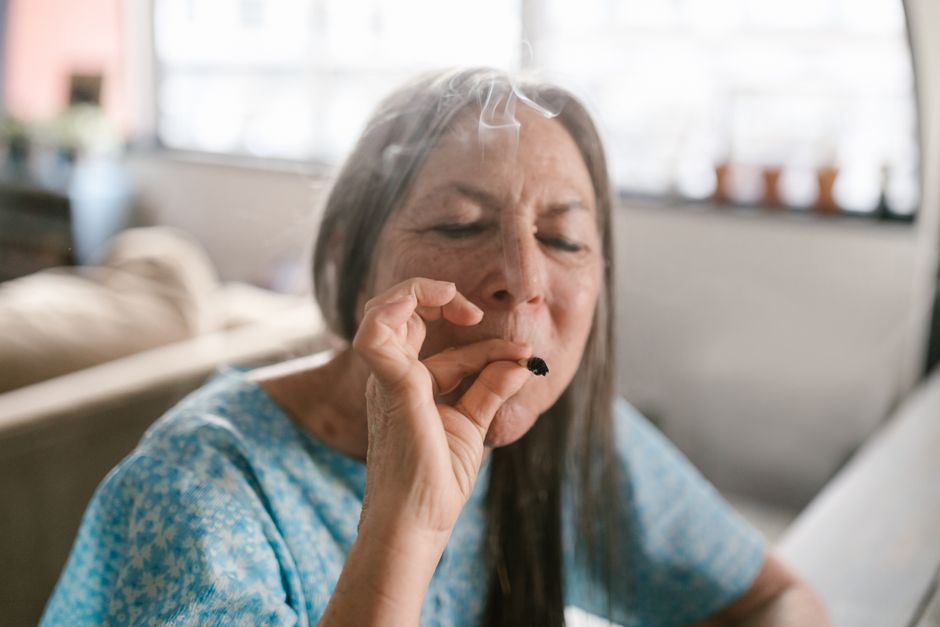
Smoke odor lingers because smoke is not just a smell. It is a cloud of tiny particles and gases that settle into fabric, carpet, drywall, and furniture, and they keep releasing odor for weeks or months. Eliminating it means removing those residues, not covering them with another scent. Air fresheners and candles mask the problem and can add new chemicals to the air. The reliable approach is ventilation, cleaning every surface the smoke touched, and replacing porous items that cannot be washed.
Why Does Smoke Smell Linger So Long?
Smoke odor comes from combustion byproducts that stick to surfaces. When wood, tobacco, or food burns, it releases particles and gases, including compounds that are absorbed into porous materials. Those materials then act like a slow-release sponge, sending molecules back into the air long after the fire is out.
This is why the smell returns when a room warms up or humidity rises. Heat and moisture pull trapped compounds back out of fabric and drywall. Thirdhand smoke is the term researchers use for this residual contamination, and studies have found it can persist on surfaces and in dust for a long time after smoking stops. The same principle applies to fireplace and cooking smoke.
Porous materials are the hardest to fix. Drywall, upholstery, carpet, insulation, and particleboard absorb smoke deeply. Hard surfaces like glass, tile, and metal hold it only on the surface, so they clean up well. Knowing which materials you are dealing with tells you where to spend your effort.
How To Eliminate Smoke Odor From a Room
Start with air movement and work your way down to surfaces. The goal is to flush out airborne particles first, then remove what has settled.
Open windows and doors and use fans to push air out, not just around. A box fan set in a window blowing outward pulls air through the room. Run this for hours, not minutes. If outdoor air quality or weather does not allow it, a portable air cleaner with a HEPA filter can help capture particles.
Next, clean from the top down. Dust and wipe ceilings, walls, light fixtures, and shelves with a damp cloth. Dry dusting just lifts particles back into the air. Wash hard surfaces with warm water and a mild detergent. Pay attention to the undersides of shelves and the tops of doors, where smoke residue collects and gets missed.
Wash curtains, bedding, and any washable fabric. For upholstery and carpet, cleaning with a machine that extracts water and detergent works better than surface sprays. If a soft item still smells after a thorough cleaning, it usually needs to be replaced rather than treated.
Change HVAC and furnace filters after a smoke event. A filter loaded with smoke particles can keep releasing odor each time the system runs.
Does Vinegar, Baking Soda, or Coffee Really Remove Smoke Smell?
Household remedies help in narrow cases and fall short in most others. None of them remove smoke residue from deep inside porous materials.
White vinegar is a mild acid that can cut through some surface residues and is often used diluted in water for wiping hard surfaces. Its own smell fades as it dries. Baking soda absorbs some odors in enclosed spaces, which is why an open box in a fridge works, but it cannot pull smoke out of a whole room. Bowls of coffee grounds or charcoal may absorb a little odor in a small closed space, but they are not a real fix for a smoke-saturated room.
The honest position is that these remedies are low-cost and low-risk to try, but no strong evidence shows they eliminate established smoke contamination. If a room still smells after cleaning and ventilation, the residue is deeper than a bowl of anything can reach.
When Do You Need an Ozone Machine or Professional Help?
Ozone generators are marketed as the answer to smoke odor, and this is where caution matters. Ozone is a reactive gas that can break down odor molecules, but it is also a respiratory irritant. Health agencies, including the U.S. Environmental Protection Agency, have warned against using ozone generators in occupied spaces because ozone can harm the lungs, especially in people with asthma or other breathing conditions.
Some professional restoration companies use ozone or hydroxyl treatments with the space sealed and unoccupied, following specific safety protocols. If you hire this service, ask how they protect occupants and when it is safe to return. Do not run an ozone machine in a home where people or pets are present. The evidence that ozone reliably removes smoke odor from a whole home is limited, and the health risk is real.
A professional restoration service makes sense when smoke has penetrated deeply, such as after a house fire, or when a large area of drywall, insulation, or HVAC ductwork is affected. These jobs often require sealing or replacing materials that home cleaning cannot reach. For a single smoky room from cooking or a fireplace, thorough cleaning and ventilation usually do the job.
How Do You Get Smoke Smell Out of Furniture and Carpet?
Soft furnishings are the toughest part of the job because smoke settles deep into fibers and padding. Surface cleaning helps but often does not reach the source.
For removable covers and cushions, wash according to the care label. For fixed upholstery, a wet extraction cleaner that injects and pulls out cleaning solution reaches deeper than sprays. Let items dry fully with good airflow, because damp fabric can grow musty odors that add to the problem.
Carpet often needs professional hot-water extraction. In some cases, the padding underneath holds most of the smoke and must be replaced even if the carpet is cleaned. If a piece of furniture still smells after a professional cleaning, replacement is usually the only reliable answer.
What About Smoke Odor in Cars and on Clothing?
Cars and clothing trap smoke in the same way rooms do, but the small space and limited surfaces make them easier to fix.
For clothing, wash with regular detergent and air dry outdoors if possible. Sunlight and fresh air help. For items that cannot be washed, hanging them outside for a day or more lets volatile compounds off-gas. Dry cleaning can help for delicate fabrics.
In a car, start by cleaning all hard surfaces, including the dashboard, door panels, and seats, with a damp cloth and mild detergent. Replace the cabin air filter. Vacuum the seats and carpet thoroughly. Run the ventilation with the windows open. If the smell persists, a professional interior detail that includes steam or extraction cleaning is the next step.
How Can You Prevent Smoke Odor From Coming Back?
Prevention comes down to controlling the source and keeping air moving. Clean up ash and residue promptly after any fire or cooking smoke event, and do not let it sit.
- Vent cooking smoke outdoors with a range hood that exhausts outside, not one that just recirculates.
- Have chimneys and fireplaces inspected and cleaned regularly so smoke drafts up and out.
- Keep HVAC filters changed on schedule.
- Avoid smoking indoors, since residual contamination settles into surfaces and dust.
If a smoke smell keeps returning in a home with no obvious source, it is worth having an electrician or HVAC technician check for a problem. A persistent smoky or burning smell with no fire can sometimes point to an electrical or heating issue. That is not a common cause, but it is one worth ruling out rather than assuming it is old residue.
Frequently Asked Questions
How long does it take to get smoke smell out of a house?
It varies widely with how much smoke entered and what materials absorbed it. A single smoky room cleaned thoroughly may clear in days, while deep contamination from a fire can take weeks or require replacing materials.
Does vinegar eliminate smoke odor?
Diluted white vinegar can help clean surface residue on hard materials, but it does not remove smoke from deep inside fabric, carpet, or drywall. It is a useful cleaning aid, not a complete fix.
Is it safe to run an ozone machine in my home?
Health agencies warn against using ozone generators in occupied spaces because ozone can irritate and harm the lungs. Professionals may use them with the area sealed and empty, following safety protocols.
Will a HEPA air purifier remove smoke smell?
A HEPA filter captures smoke particles and can reduce odor while it runs, but it does not remove residue already settled on surfaces. It works best alongside cleaning and ventilation, not instead of them.
