
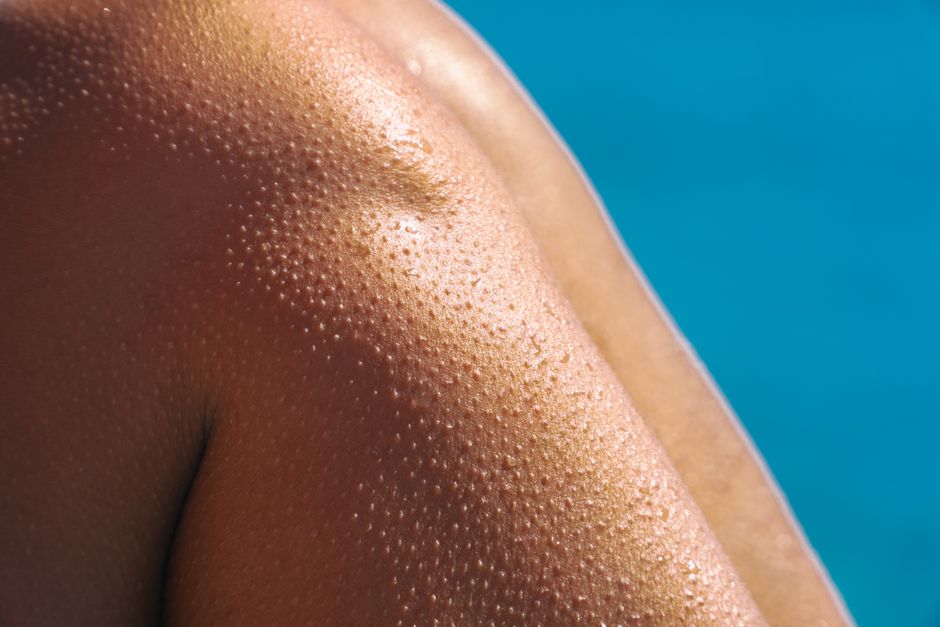
Small bumps on the face are extremely common, and most are not a sign of poor hygiene or a serious health problem. The right way to eliminate them depends entirely on what they are. Some respond to simple skincare changes within weeks. Others need a doctor’s help. The single most useful first step is figuring out which type of bump you actually have, because treating the wrong one can make things worse.
What Are the Most Common Types of Small Bumps on the Face?
Small facial bumps fall into a handful of categories, and each has a different cause. Knowing which one you are dealing with is the foundation of any effective plan.
Acne is the most common cause. It develops when hair follicles get blocked by oil and dead skin cells, and the bacterium Cutibacterium acnes can contribute to inflammation. Acne bumps range from small closed whiteheads to tender red papules.
Keratosis pilaris produces tiny rough bumps, often on the upper cheeks and arms. It happens when keratin, a protein in skin, plugs hair follicles. It is harmless and tends to run in families.
Milia are small, firm, pearly white bumps. They form when flakes of keratin get trapped just under the skin surface. They are common in newborns and also appear in adults, especially around the eyes and cheeks.
Folliculitis is inflammation or infection of hair follicles. It can look like small red or pus-filled bumps. It is often triggered by friction, shaving, or bacteria on the skin.
Fungal acne, more accurately called Malassezia folliculitis, is caused by a yeast that normally lives on skin. It produces clusters of small, uniform, itchy bumps, often on the forehead and chest. It does not respond to standard acne treatments.
Other possibilities include rosacea, an allergic reaction, or a viral rash. Some of these look similar, which is why a dermatologist’s diagnosis matters when bumps do not clear with basic care.
How Do You Tell Which Type of Bump You Have?
A few visual clues can point you toward the likely cause. This is not a substitute for a medical diagnosis, but it can guide your next steps.
Acne bumps are usually mixed in size and type. You may see blackheads, whiteheads, and red inflamed spots together. They tend to appear on the T-zone, jawline, or chin.
Keratosis pilaris feels like sandpaper. The bumps are small, uniform, and rough to the touch. They often sit on the outer cheeks in a patch.
Milia are firm and do not pop like a pimple. If you try to squeeze one, you usually get nothing or a tiny hard kernel. They cluster near the eyes and nose.
Fungal acne is unusually uniform. The bumps are nearly the same size and often itch. Standard acne products usually do not help, and sometimes make it worse.
If bumps are painful, spreading fast, oozing, or paired with fever, see a doctor promptly. Those signs point to something that needs medical evaluation rather than self-care.
How To Eliminate Small Bumps On Face: Step By Step
A structured approach works better than trying random products. Here is a step-by-step method that matches the most common causes.
Step 1: Stop Picking and Squeezing
Picking spreads bacteria, deepens inflammation, and can leave scars or dark marks. It also pushes material deeper into the skin, which can turn a small bump into a larger, longer-lasting one. Hands off is the first rule.
Step 2: Simplify Your Skincare Routine
Heavy creams, thick oils, and layered products can clog pores. Switch to a gentle, non-comedogenic cleanser and a light moisturizer. Non-comedogenic means the product is formulated not to block pores. Give any change at least several weeks before judging results.
Step 3: Match Treatment to the Cause
For mild acne, over-the-counter options include benzoyl peroxide and salicylic acid. Benzoyl peroxide reduces bacteria and helps clear pores. Salicylic acid helps loosen the material blocking follicles. For blackheads and whiteheads, a topical retinoid available by prescription is often more effective.
For keratosis pilaris, products containing lactic acid, salicylic acid, or urea can smooth the bumps over time. Moisturizing regularly helps. The condition often improves with consistent care but may return if you stop.
For milia, most resolve on their own over weeks to months. A doctor can remove persistent ones safely. Do not try to extract them at home, especially near the eyes.
For fungal acne, standard acne treatments usually fail. It typically needs an antifungal approach, and a doctor can confirm the diagnosis and recommend the right treatment.
Step 4: Be Patient and Consistent
Skin changes take time. Most acne treatments need several weeks to show clear results, and improvement often continues for a few months. Stopping early is one of the most common reasons people think a product “did not work.”
Step 5: Protect Your Skin Daily
Use a broad-spectrum sunscreen every day. Many acne and exfoliating treatments make skin more sensitive to the sun. Sun protection also reduces the chance that healed spots leave dark marks.
Step 6: Know When to See a Doctor
See a dermatologist if bumps are painful, widespread, scarring, or not improving after a few months of consistent care. Persistent or unusual bumps should be checked to rule out other conditions.



Which Ingredients Actually Help With Facial Bumps?
Some ingredients have solid evidence behind them for acne and related bumps. Others are heavily marketed but lack strong proof.
- Benzoyl peroxide: Well established for mild to moderate acne. It reduces C. acnes bacteria and helps unclog pores.
- Salicylic acid: A beta-hydroxy acid that helps exfoliate inside follicles. Useful for blackheads and whiteheads.
- Topical retinoids: Among the most effective acne treatments. Available by prescription or, for some forms, over the counter.
- Azelaic acid: Helps with acne and redness. Some evidence supports its use.
- Niacinamide: May help with oil control and redness. Evidence is encouraging but not as strong as for the ingredients above.
Be cautious with harsh scrubs, strong alcohol toners, and “spot treatments” that promise overnight results. Irritation can trigger more breakouts, and no product clears bumps in a single day.
What Makes Facial Bumps Worse?
Certain habits and products reliably worsen facial bumps. Avoiding them can matter as much as adding treatments.
Picking and squeezing is the biggest offender. It increases inflammation, infection risk, and scarring.
Comedogenic products, including some heavy sunscreens, makeup, and hair products, can clog pores. Check labels for “non-comedogenic” and keep hair oils off the face.
Friction from helmets, hats, or phones can irritate follicles. Cleaning your phone screen and washing pillowcases regularly can help.
Diet plays a role for some people. Some research suggests that high-glycemic diets and certain dairy products may be linked to acne in some individuals. The evidence is not uniform, and responses vary from person to person.
Stress and poor sleep do not directly cause acne, but they can influence hormones and inflammation, which may worsen existing breakouts.
When Should You See a Dermatologist?
Professional help is the fastest route for bumps that do not respond to basic care. A dermatologist can identify the exact cause and tailor treatment.
See a doctor if you have deep, painful nodules or cysts, if bumps are leaving scars, or if over-the-counter treatments have not helped after a few months. Also seek care if you notice a bump that is changing, bleeding, or not healing, since that warrants evaluation.
Prescription options include stronger retinoids, topical or oral antibiotics, and other medications. These are chosen based on your specific condition. A doctor can also safely remove milia or drain certain lesions.
Frequently Asked Questions
Can small bumps on the face go away on their own?
Some do, especially milia, which often clear over weeks to months without treatment. Acne and keratosis pilaris usually need consistent care to improve and may return without it.
Does toothpaste get rid of facial bumps?
No. Toothpaste is not an acne treatment and can irritate or burn the skin. Use products formulated for the face instead.
How long does it take to clear facial bumps?
Most acne treatments need several weeks to show results, with continued improvement over a few months. Keratosis pilaris may improve with weeks of consistent moisturizing and exfoliating care.
When should I worry about a bump on my face?
See a doctor if a bump is changing, bleeding, not healing, or is painful and spreading. Persistent or unusual bumps should be evaluated to rule out other conditions.
