
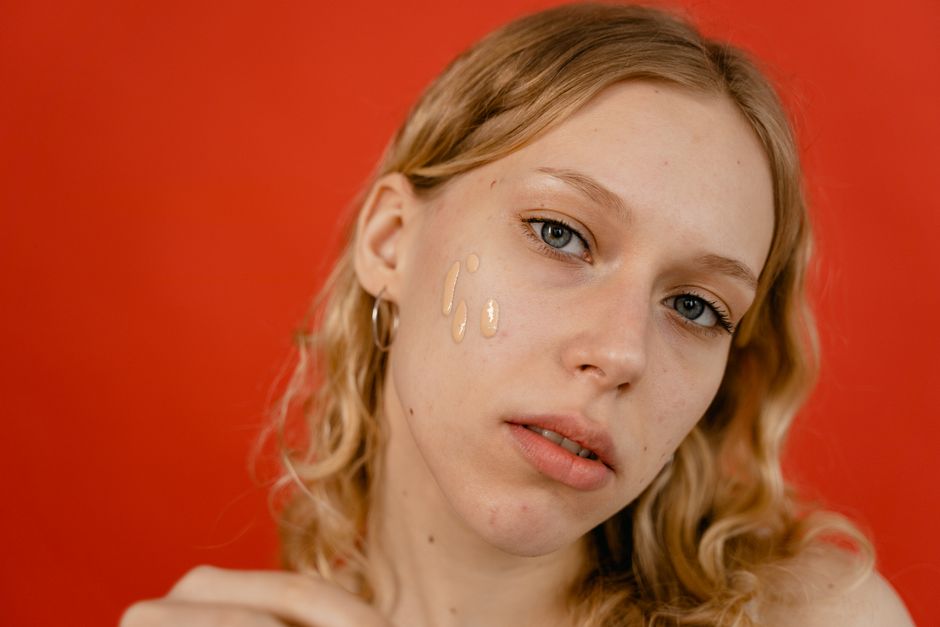
Facial redness is one of the most common skin complaints dermatologists hear, and it has many different causes. The right fix depends entirely on what is driving it. For most people, the biggest improvements come from a short list of changes: a gentle fragrance-free routine, daily sun protection, avoiding known triggers, and treating any underlying skin condition with a doctor’s help. There is no single product that erases redness for everyone, and anyone promising that is selling something.
What Actually Causes Redness on the Face?
Redness happens when blood vessels near the skin’s surface widen and more blood flows through them. That is a normal response to heat, exercise, emotion, or injury. It becomes a problem when it happens too often, lasts too long, or comes with other symptoms.
The most common causes fall into a few groups:
- Rosacea. A chronic inflammatory condition that causes flushing, persistent redness across the cheeks, nose, chin, and forehead, and sometimes small bumps or visible blood vessels. It tends to come and go in flares.
- Irritant or allergic contact dermatitis. A reaction to something touching the skin, such as fragrances, preservatives, acids, or harsh cleansers.
- Seborrheic dermatitis. Redness with flaking or greasy scaling, often around the nose, eyebrows, and hairline.
- Eczema and psoriasis. Inflammatory skin conditions that can affect the face and cause redness along with scaling, itching, or cracking.
- Sun damage and broken capillaries. Years of UV exposure can leave skin permanently redder and make small vessels visible.
- Barrier damage. Over-cleansing, over-exfoliating, or layering strong actives can strip the skin and leave it raw, stinging, and red.
Less common causes include certain medications, autoimmune conditions, and skin infections. That is why redness that does not improve with basic care deserves a medical look. The list above is not something you can sort through on your own with confidence, because several of these look similar in the mirror.
How To Eliminate Redness On Face Without Making It Worse
Step one is almost always subtraction, not addition. Most people with facial redness are using at least one product that is keeping the irritation going.
Start by stripping your routine down to three things: a gentle cleanser, a basic moisturizer, and sunscreen. Use lukewarm water, not hot. Pat dry instead of rubbing. Do this for two to four weeks before adding anything back.
Look at what you are putting on your face and consider removing:
- Fragrance, including “natural” essential oils, which are common irritants
- Alcohol-based toners and astringents
- Physical scrubs and cleansing brushes
- Exfoliating acids used more than a couple of times a week
- Strong retinoids, at least until the redness settles
Choose products labeled fragrance-free rather than unscented. Those are not the same thing. Unscented products can still contain masking fragrances.
Two ingredients have the best evidence for calming irritated skin: niacinamide and colloidal oatmeal. Niacinamide appears in a large body of skin research, though results vary by formulation and concentration. Colloidal oatmeal is recognized as a skin protectant in over-the-counter drug standards in the United States, which is a stronger regulatory position than most cosmetic ingredients have. Neither will treat rosacea or eczema on its own.
Cool compresses can reduce the look of redness short-term. They do not change the underlying cause.
Does Sun Protection Really Matter for Facial Redness?
Yes, and it is probably the single most important daily habit for anyone with persistent facial redness. Ultraviolet light triggers flushing, damages the skin barrier, and over time causes the small blood vessels in the face to become permanently dilated.
That last point matters. Once those vessels are permanently widened, no cream will shrink them. Dermatologists can treat visible vessels with laser or intense pulsed light, but that is a procedure, not a product.
Use a broad-spectrum sunscreen every day, including cloudy days and days spent mostly indoors near windows. Mineral sunscreens containing zinc oxide or titanium dioxide tend to be better tolerated by reactive skin, though some people find chemical filters fine. The best sunscreen is the one you will actually wear consistently.
Also worth knowing: heat and sun are not the same trigger. Many people with rosacea flush from heat even when UV exposure is low. A wide-brimmed hat helps with both.
What Triggers Facial Flushing and How Do You Track Them?
Flushing triggers are personal, but a few show up again and again. Common ones include hot drinks, spicy food, alcohol (especially red wine), strong emotions, exercise, hot showers, and sudden temperature changes.
The most useful thing you can do is keep a simple log for a few weeks. Note what you ate, drank, and did in the hours before a flare. Patterns usually emerge faster than people expect.
Be careful about cutting foods out permanently based on one bad day. A trigger that shows up once may just be coincidence. If a pattern holds across several flares, that is worth acting on.
Temperature swings deserve special mention because they are hard to avoid. Going from a cold street into a warm room can trigger flushing in people with rosacea. So can a hot car, a hot bath, or a stuffy office. Layering clothing and keeping indoor temperatures moderate can help.
When Should You See a Doctor About Facial Redness?
See a doctor if redness is persistent rather than occasional, if it comes with bumps, pus, or scaling, if it is painful or burning, or if it does not improve after several weeks of gentle care.
Also see a doctor promptly if redness appears suddenly with swelling, especially around the eyes or lips, or if it comes with fever or feeling unwell. Those can signal a reaction or infection that needs treatment.
Treatment depends on the diagnosis, and the diagnoses require different approaches:
- Rosacea is often managed with prescription topical medications, sometimes oral antibiotics for flares, and laser therapy for visible vessels. Avoidance of triggers is part of the plan.
- Contact dermatitis is managed by identifying and avoiding the trigger. Patch testing by a dermatologist can help find it.
- Seborrheic dermatitis usually responds to antifungal shampoos and creams, including on the face.
- Eczema and psoriasis often need prescription anti-inflammatory treatments.
Some clinicians also recommend beta-blocker medications or other drugs to reduce flushing in certain patients. This is not a first-line approach and the evidence for it varies by medication, so it is a conversation to have with a doctor rather than something to seek out.
Which Skincare Ingredients Help and Which Do Not?
The ingredient aisle is crowded with claims. Here is an honest read on what has reasonable support and what does not.
| Ingredient | Evidence | Notes |
|---|---|---|
| Niacinamide | Studied for barrier support and redness | Generally well tolerated; results vary by formula |
| Colloidal oatmeal | Recognized as an OTC skin protectant | Best for irritation, not rosacea itself |
| Azelaic acid | Prescription forms studied for rosacea | OTC strengths vary widely |
| Green tea extract | Some studies suggest mild anti-inflammatory effect | Evidence is limited |
| Vitamin C | Studied for many skin effects | Can irritate reactive skin at high concentrations |
| Essential oils | Common cause of irritation | Often marketed as calming; frequently the opposite |
| Witch hazel | Limited evidence | Can be drying and irritating in some formulas |
Be skeptical of products marketed specifically for redness that do not disclose their full ingredient list or that lean on “botanical” language without specifics. Fragrance-free and dye-free are meaningful labels. “Natural” is not.
The Bottom Line on Managing Facial Redness
Facial redness is usually manageable, but rarely eliminated overnight and often not eliminated completely. The realistic goal is fewer flares, calmer skin, and a routine that does not fight you.
Gentle care, daily sun protection, trigger awareness, and a proper diagnosis when needed do most of the work. Everything else is a smaller piece.
Frequently Asked Questions
Can facial redness go away on its own?
Mild redness from irritation or a recent reaction often fades within days to a few weeks once the trigger is removed. Persistent redness lasting months usually has an underlying cause that needs treatment.
What is the fastest way to reduce redness on my face?
A cool compress and stopping any irritating products can calm the look of redness within hours. Lasting improvement takes weeks of consistent gentle care.
Is facial redness a sign of rosacea?
Not always, but persistent redness across the cheeks, nose, and chin that flares with heat, alcohol, or spicy food is a common rosacea pattern. Only a doctor can confirm the diagnosis.
Do redness-reducing creams actually work?
Some ingredients, like niacinamide and colloidal oatmeal, have reasonable evidence for calming irritated skin. No over-the-counter cream has been shown to eliminate rosacea or permanently remove visible blood vessels.
